Brand Collaboration Opportunities Legal Boundary
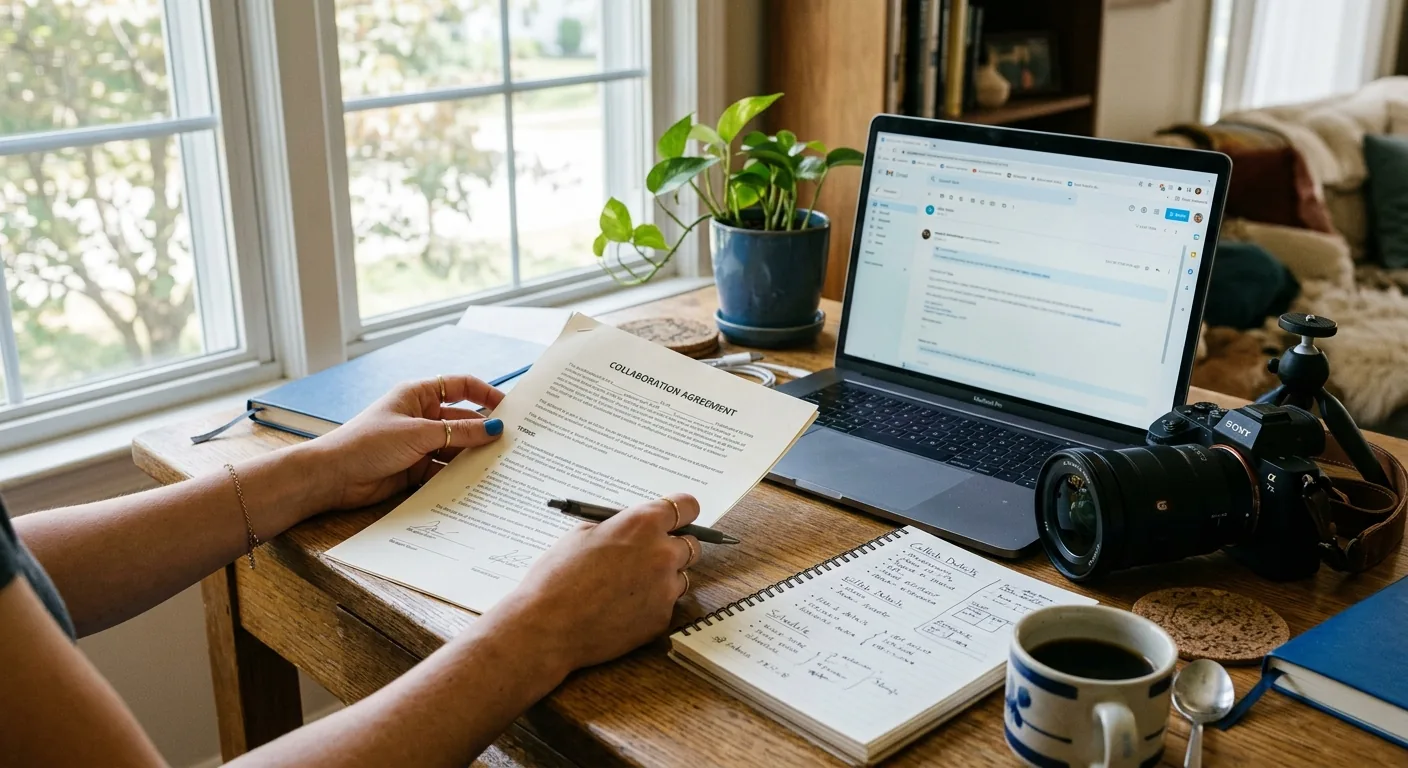
If you're evaluating a brand collaboration opportunity, the legal boundary is the line between helpful workflow support and the decisions you still need to review yourself. In plain terms: you can organize the opportunity, prepare questions, draft a reply, and compare terms, but you should still independently verify contacts and approve every outbound message, commercial term, and commitment. CreaSeed can support that preparation workflow, while creator approval and human-in-the-loop handling remain essential where commercial actions are discussed.
The Short Answer: Legal Boundary Means Knowing What You Can Organize, Draft, and Discuss Versus What You Still Need to Review Carefully
For creators, “legal boundary” does not need to sound intimidating. It usually means understanding which parts of a brand collaboration are workflow tasks and which parts are judgment calls that affect your business, your rights, your content, or your taxes.
Workflow tasks often include:
-
collecting the brand's message and offer details
-
organizing deliverables, dates, and requested platforms
-
drafting clarifying questions
-
preparing a reply for your own review
-
listing unclear terms before you respond
The more sensitive side of the boundary includes things like disclosure expectations, licensing and usage rights, exclusivity, payment timing, cancellation language, approval responsibilities, and whether a contract term needs professional legal or tax input. That is why important outbound messages and commercial commitments should stay creator-reviewed and approved.
This matters even if the opportunity looks simple. A short email or DM can still include language that affects how long a brand can use your content, whether competitors are off-limits, or whether you are agreeing to revisions, reposting, or paid amplification. A creator-friendly workflow helps you slow down enough to spot those issues before you say yes.
How to Decide About Brand Collaboration Opportunities Legal Boundary
A practical way to evaluate a collaboration is to ask one question first: Am I just preparing a response, or am I about to agree to something that affects my rights, obligations, or income?
If you are still in preparation mode, you can safely focus on organization and review. If you are close to agreeing to terms, that is the moment to pause and look more carefully.
Here is a simple decision framework you can use:
-
Identify the opportunity clearly Who is contacting you? What brand, agency, or intermediary is involved? Is the ask clear, or is it still vague?
-
Separate the pitch from the terms Many creators react to the brand fit first and the business details second. Flip that order. A great-fit brand can still send unclear terms.
-
Check whether the message includes a commitment If your reply would lock in deliverables, deadlines, usage, rates, or exclusivity, treat that as a higher-stakes step.
-
Look for rights language Any mention of perpetual use, paid media, ad usage, reposting, whitelisting, or broad platform rights deserves extra attention.
-
Check whether exclusivity appears anywhere Even a short exclusivity clause can affect future income if it blocks work with other brands in the same category.
-
Review payment details before replying casually Make sure payment amount, timing, invoice expectations, and milestone structure are clear enough for you to evaluate.
-
Decide whether you need outside input If a term is unclear, unusually broad, or high-value, you may want legal or tax guidance before agreeing.
This framework is informational, not legal or tax advice. Its purpose is to help you avoid treating a business commitment like a casual conversation.
The Creator Decision Record: The Checks to Make Before You Respond or Agree
A useful next step is to keep a creator-owned decision record. That can be a note, doc, or workspace entry you control before any outbound reply is approved.
Your decision record can include these checkpoints:
-
Who is the contact? Record the brand name, agency name if relevant, and where the conversation came from.
-
What exactly are they asking for? Note the content format, number of deliverables, posting platform, deadlines, and revision expectations.
-
What disclosures may apply? Sponsored, gifted, affiliate, and other commercial relationships can create disclosure expectations. If the arrangement is promotional, treat disclosure as a review item, not an afterthought.
-
What rights are being requested? Are they asking only for your original post, or also for reuse on brand channels, paid ads, web pages, or future campaigns?
-
Is exclusivity included? If yes, for how long, for which category, and on which platforms?
-
How is payment described? Look at amount, due date, method, invoicing expectations, late payment handling, and whether payment depends on approval milestones.
-
Who approves final messaging? Clarify whether the brand approves creative, captions, timing, edits, or final delivery.
-
Is there cancellation or termination language? Check what happens if the campaign changes, the launch is delayed, or one side needs to exit.
-
Does anything need professional review? Flag broad legal, tax, or rights questions before you commit.
This record matters because it keeps the creator in control. Instead of relying on memory or reacting in a hurry, you create a repeatable review habit. For solo creators and small teams, that often makes the difference between a workable brand deal and a confusing one.
What Usually Sits Inside the Legal Boundary for Creator-Brand Deals
Most creator-brand collaborations touch at least a few of the same boundary areas. You do not need to become a lawyer to recognize them, but you do need to know when they deserve more attention.
Disclosures
If a collaboration involves compensation, free product, affiliate incentives, or another material connection, disclosure is usually something to review carefully. Creators should make sure the relationship is described clearly enough for the audience and the platform context.
Content Scope and Approval Responsibilities
You should know what you are expected to make, when it is due, how many revisions are included, and who has approval rights. If these points stay fuzzy, the risk of later disagreement goes up.
Usage Rights and Licensing
This is one of the biggest boundary areas. A brand may want permission to repost your content, use it in emails, place it on product pages, or run it as paid media. Those are not all the same thing. The scope, duration, and channels matter.
Exclusivity
Exclusivity can affect your ability to work with other brands in the same niche. Even if the fee looks reasonable, the opportunity may be less attractive if the exclusivity window is broad or poorly defined.
Whitelisting or Paid Usage
If a brand mentions running your likeness or content in ads, or asks for broader promotional usage, slow down and review that carefully. Those terms can change the value of the collaboration and the level of control you keep.
Payment Timing and Business Terms
A creator should understand not just the fee, but when payment happens, what triggers payment, and whether there are any conditions attached to delivery or approval.
Confidentiality and Cancellation
Some collaborations include embargoes, launch dates, confidentiality expectations, or cancellation rules. These terms are easy to overlook in a fast-moving thread, but they still affect your obligations.
None of this is legal or tax advice. It is practical creator guidance on what to notice before you approve a commercial response.
One Practical US Creator Scenario: Reviewing a Collaboration Before Saying Yes
Imagine a US-based UGC creator in Texas who makes short skincare videos for brands. She receives an email from a midsize beauty company asking for three videos and a quick turnaround. The brand sounds legitimate, the rate seems decent, and the campaign aligns with her niche.
At first glance, it feels like an easy yes.
Then she builds a simple decision record before replying:
-
The deliverables are clear: three short videos.
-
The posting requirement is less clear: are these for her own channels, the brand's channels, or both?
-
The rights language says the brand wants “full usage across digital.”
-
A later paragraph mentions category exclusivity, but does not define the time period.
-
Payment is listed as net 45 after final approval.
That changes the decision.
Instead of replying with a fast acceptance, she pauses. She writes down the exact questions she needs answered:
-
Does “full usage across digital” include paid ads?
-
How long does the brand want to use the content?
-
Does exclusivity apply to all skincare brands or only direct competitors?
-
When does the 45-day payment clock start?
-
Who approves final creative and how many revision rounds are expected?
This is the legal boundary in action. She is not refusing the deal. She is moving from excitement to controlled review before making a commitment.
In a CreaSeed workflow, this is where preparation support can help: organizing the opportunity details, turning unclear terms into a creator-reviewed question list, and preparing a draft response for her approval. The important outbound message still remains creator-reviewed and approved, and human-in-the-loop handling stays in place where commercial actions are discussed.
Where CreaSeed Can Help While Keeping Creator Approval in Control
CreaSeed is designed to support the preparation side of this workflow, not replace your judgment on commercial commitments.
For this use case, CreaSeed may help with:
-
creator-reviewed drafts for replies or clarification questions
-
opportunity organization so you can keep deal details in one place
-
workflow preparation before you answer a brand
-
conversational support for thinking through next steps
CreaSeed's product line includes AI Business Partner and AI Creator Agent . These support roles fit creators who want help preparing, organizing, and reviewing collaboration opportunities without handing off final business approval.
CreaSeed supports conversational, assessment, opportunity, and text-suggestion workflows. Some workflows may also help with brand opportunity discovery and draft-style writing support. If you need broader CRM, tracker, reporting, or full lifecycle coverage, confirm the current product setup before relying on it for those needs.
That distinction is important. CreaSeed can support your workflow preparation, but creators independently verify contacts and approve every outbound message, commercial term, and commitment. If a brand conversation reaches the point of legal, tax, or contract interpretation, that is the moment to slow down and decide whether you need professional input.
If you want to see how this fits into a creator workflow, visit the AI Creator Agent product page for creator preparation support.
You may also want to read:
-
How to compare opportunities after an inbound brand offer arrives
-
How brand collaboration opportunities compare with a manager for professional creators
-
How brand collaboration opportunities compare with manual outreach as you grow
Continue with the Deal Negotiation overview and the Usage Rights collection. Then compare the related creator guide and the next practical resource for the next step in this workflow.
FAQ
What Does “Legal Boundary” Mean in a Brand Collaboration Opportunity?
It means knowing the difference between workflow help and a business commitment. You can organize an opportunity, prepare notes, and draft a response, but you should still review rights, disclosures, payment terms, exclusivity, and final commitments yourself before approving a reply.
Should Creators Review Disclosure Expectations Before Saying Yes?
Yes. If a collaboration involves compensation, free product, affiliate incentives, or another material connection, disclosure should be reviewed early. It is easier to handle clearly before deliverables are locked in than after content is already scheduled.
Why Are Usage Rights Such a Big Issue in Creator-Brand Deals?
Because “usage” can mean very different things. A brand reposting your content organically is not the same as using it in paid ads or broader campaign assets. Creators should review scope, duration, and channels carefully before agreeing.
When Should a Creator Pause and Get Legal or Tax Input?
A pause makes sense when terms are broad, confusing, high-value, or tied to long-term rights, exclusivity, business structure, or tax treatment. If you cannot explain the term back in plain language, it is usually worth getting more clarity before you commit.
Can CreaSeed Help Without Taking over Creator Approval?
Yes. CreaSeed may support creator-reviewed drafts, opportunity organization, and workflow preparation. It can help you prepare next steps, but important outbound messages and commercial commitments remain creator-reviewed and approved, with human-in-the-loop handling where commercial actions are discussed.
Explore how CreaSeed can support your creator workflow.
For creator-reviewed workflow support, see CreaSeed’s AI Creator Agent.