How to Showcase Spec Work and Reach Metrics on Your First Instagram Media Kit
Think you need a portfolio packed with past brand partnerships to land your first Instagram sponsorship? You don't.
Brand managers care far more about audience alignment and content production quality than prior sponsor logos. You can build a high-converting one-page media kit today using native 30-day Instagram reach metrics and self-produced spec work (mock brand content).
Here is what your first one-page Instagram media kit should include:
- Tailored Brand Bio: A 2-to-3 sentence intro framing your niche, main content formats, and value proposition.
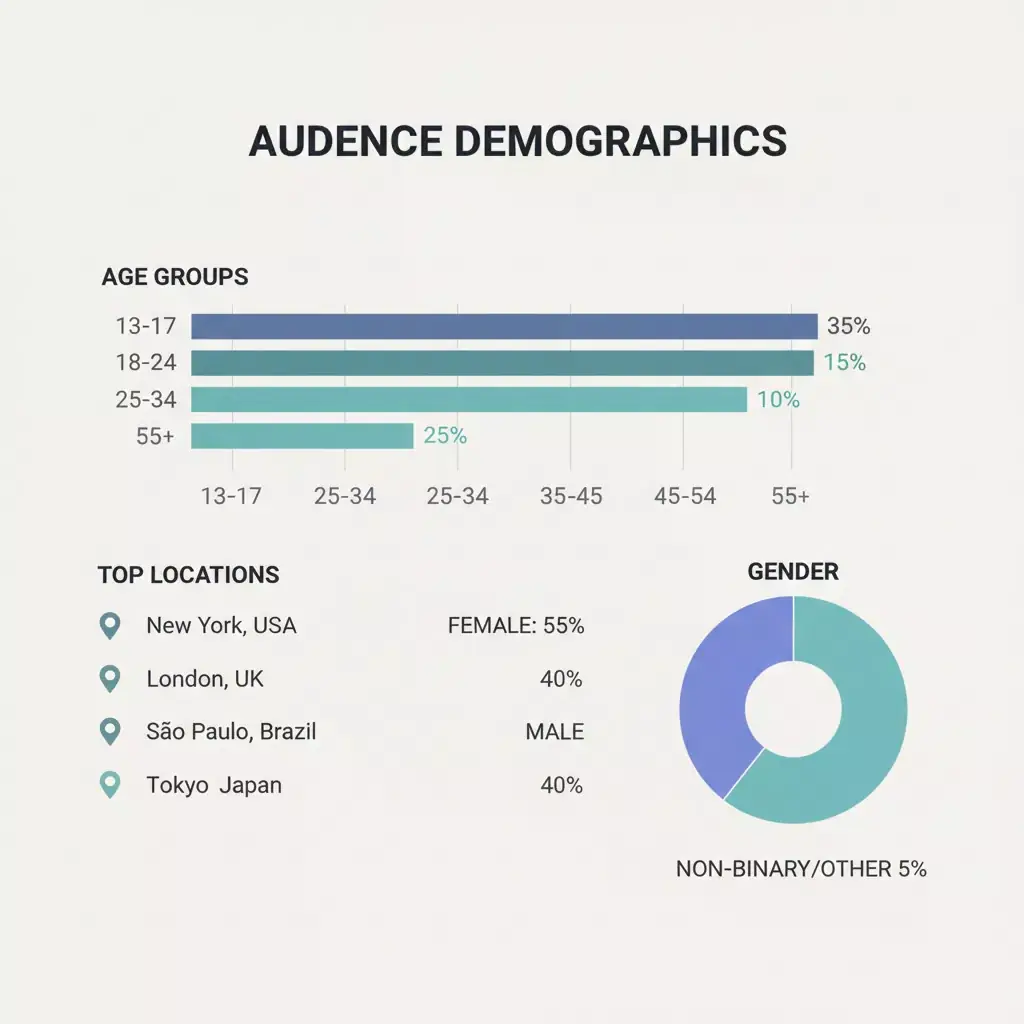
- Audience Demographics: Core age brackets, gender split, and top follower locations straight from Instagram Insights.
- Native Reach Metrics: 30-day accounts reached, non-follower Reels discovery percentage, and average Story views.
- Tagged Spec Work: 2 to 3 sample Reels showcasing your production quality, product placement, and organic saves or shares.
- Baseline Rates: Clear, metric-driven pricing (for example, charging an illustrative baseline of $50 to $150 per Reel for an account averaging 1,000 to 3,000 views).
Let's walk through how to extract these metrics and format each section step-by-step.
Structure a One-Page Instagram Media Kit Without Prior Brand Deals
Brand managers review dozens of pitches daily. They care less about a long list of past brand logos and more about whether your visual style and audience fit their current product launch.
Designing a single-page PDF or digital document forces you to present only high-signal information: who you are, who watches your content, proof of your production capability, and clear pricing options.
Write a Tailored Brand Pitch Introduction
Your introduction needs to summarize your niche positioning in two or three direct sentences. Avoid generic descriptors like "lifestyle creator" or "aspiring influencer." Instead, state the exact topics you cover, your dominant content format, and the value you bring to a brand partner.
Here is an example of a focused introduction block for a tech and productivity creator:
Example pitch bio: I create short-form video breakdowns comparing minimal desk setups and mobile workflow tools for 12,000 active remote workers. My content focuses on practical product integrations, driving high audience saves and engagement.
Display Key Audience Demographics for Brand Alignment
Brands need to verify that your followers match their buyer persona. Open your Instagram Professional Dashboard, navigate to Insights, and select Total Followers to extract your audience distribution.
Highlight three core data points clearly on your media kit:
- Top Locations: List your top three countries or cities (for example, United States 62%, United Kingdom 14%, Canada 8%).
- Age Distribution: Group your largest age brackets (for example, 25–34 years old: 51%).
- Gender Split: State the percentage split (for example, 68% Women / 32% Men).
Extract and Present Native Instagram Reach Metrics
Follower counts alone do not prove active reach. Brand managers evaluate your account using native distribution data from Instagram Insights over a rolling 30-day window.
Highlight 30-Day Reach and Non-Follower Discovery Metrics
Focus on how many unique accounts your content reaches and how effectively your short-form videos tap into algorithm recommendation feeds.
Display these three core metrics:
- 30-Day Accounts Reached: The total number of unique accounts that saw any of your content over the past month.
- Non-Follower Reels Discovery: The percentage of account reach coming from non-followers on Reels. High non-follower reach signals strong viral potential for organic brand placements.
- Average Story Views: The typical number of views across 24-hour Story sequences. Stories represent your core, highly engaged audience segment.
Calculate and Format Engagement Rates
Your engagement rate measures how actively your audience interacts with your published posts relative to your total audience size or reach.
To calculate your engagement rate based on reach, use this standard formula:
(Total Likes + Comments + Saves + Shares on Last 10 Posts) ÷ Total Reach on Last 10 Posts × 100
Alternatively, if reach fluctuates across viral posts, calculate your rate based on total followers:
(Total Interactions across 10 Posts ÷ 10) ÷ Total Followers × 100
Display this final metric as a clear percentage (for example, 4.8% Average Engagement Rate) on your layout alongside your total follower count.
Produce and Display Spec Work Deliverables
If you lack paid client portfolios, use spec work—self-produced mock commercial videos featuring products you already own—to show brands how you would feature their items.
Select Products and Mock Campaign Concepts
Pick 2 or 3 physical items or software tools you use daily that fit your niche. For instance, a beauty creator might choose a daily moisturizer, while a gaming creator might feature a noise-canceling headset.
Script a 30-second Reel following standard commercial narrative hooks:
- 0–3 Seconds (Hook): Demonstrate a specific problem or visual transition.
- 3–20 Seconds (Body): Highlight key product benefits with close-up shot angles and crisp audio voiceovers.
- 20–30 Seconds (Call to Action): Encourage viewers to save the video or check the link in your bio.
Embed Spec Work Links with Organic Engagement Proof
Present each mock concept in a neat media kit card. Include a high-quality video thumbnail, a brief concept title, and a direct link or QR code pointing to the live published Reel on your profile.
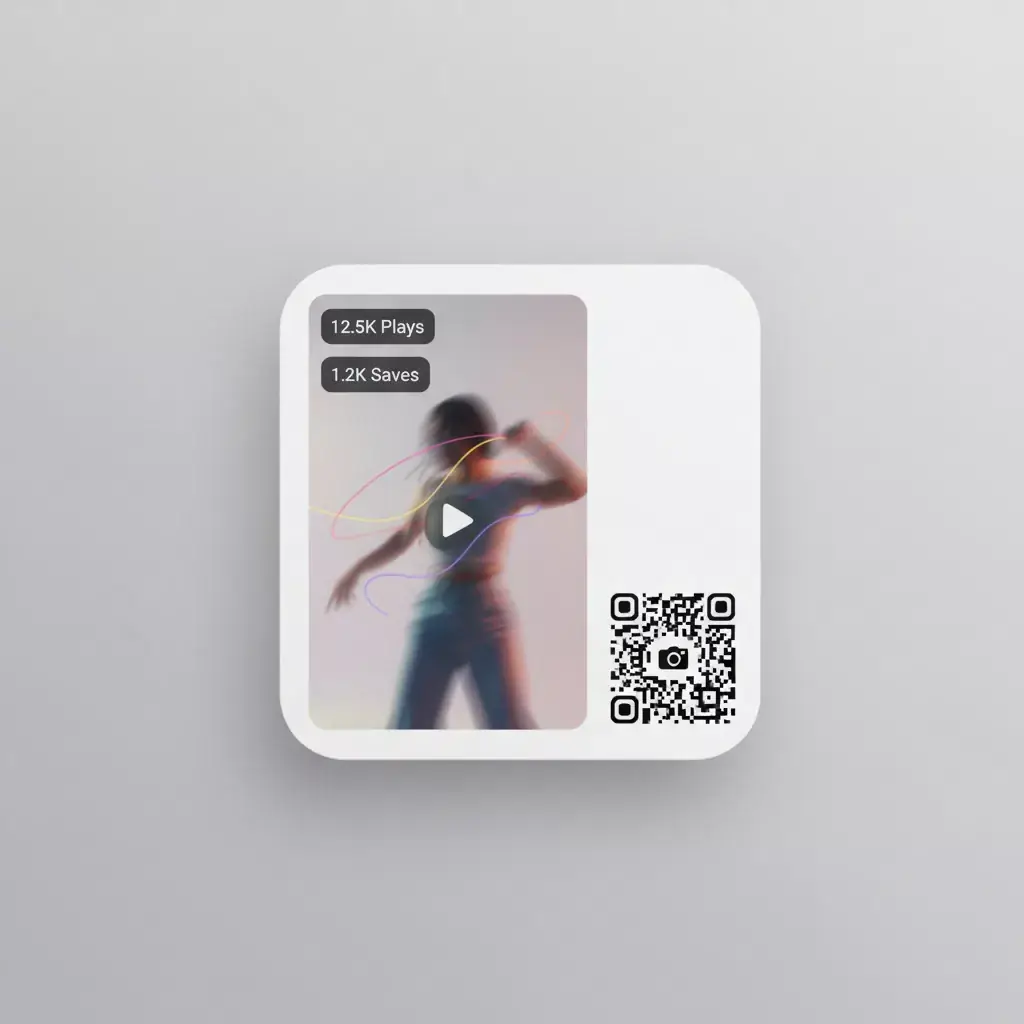
Include organic metrics directly underneath your sample thumbnail:
- Organic Saves: Proves the video provided genuine utility.
- Shares: Indicates strong distribution value.
- Comments: Shows direct community response.
Set Baseline Deliverable Rates for First-Time Pitches
Listing upfront pricing demonstrates business professionalism and saves time during initial brand communications. Define standard rates for your core deliverables.
Structure Deliverable Pricing Based on Average Reach
Base your baseline pricing on average views and labor production time rather than overall follower numbers. For example, an account averaging 1,000 to 3,000 views per Reel might set an illustrative baseline of $50 to $150 per Reel.
The table below provides an illustrative rate structure across common content formats based on average account views:
| Deliverable Format | Metric Benchmark Range | Illustrative Rate Range |
|---|---|---|
| Instagram Story Set (3 frames) | 300 – 800 Story Views | $25 – $50 |
| Single Dedicated Reel | 1,000 – 3,000 Reel Views | $50 – $150 |
| Carousel Post (5–8 slides) | 800 – 2,500 Post Impressions | $40 – $100 |
| Reel + Story Bundle | 1,000+ Views + Story Push | $75 – $180 |
Adjust your rates upward when brands request extended usage rights, whitelisting, or exclusive product categories.
Summary of Media Kit Essentials for First-Time Pitches
A high-converting beginner media kit focuses on verified data and visual proof rather than brand name-dropping.
To summarize, your one-page media kit must contain:
- A direct 2-to-3 sentence pitch bio framing your niche positioning.
- Top audience demographics sourced directly from 30-day Instagram Insights.
- Native performance metrics highlighting 30-day account reach and average Reel views.
- 2 or 3 tagged spec work samples featuring organic saves and shares proof.
- Clear, metric-driven deliverable rate benchmarks.
For more on the document itself, see Creator Media Kit.
FAQ
Should I Include Baseline Rates Directly on My Media Kit?
Yes, including clear baseline rates sets transparent budget expectations, saves back-and-forth negotiation time, and filters out brands looking for unpaid work.
How Often Should I Update the Metrics on My Media Kit?
Update your 30-day account reach, average Reel views, and engagement rates monthly so potential brand partners always review accurate, current performance data.