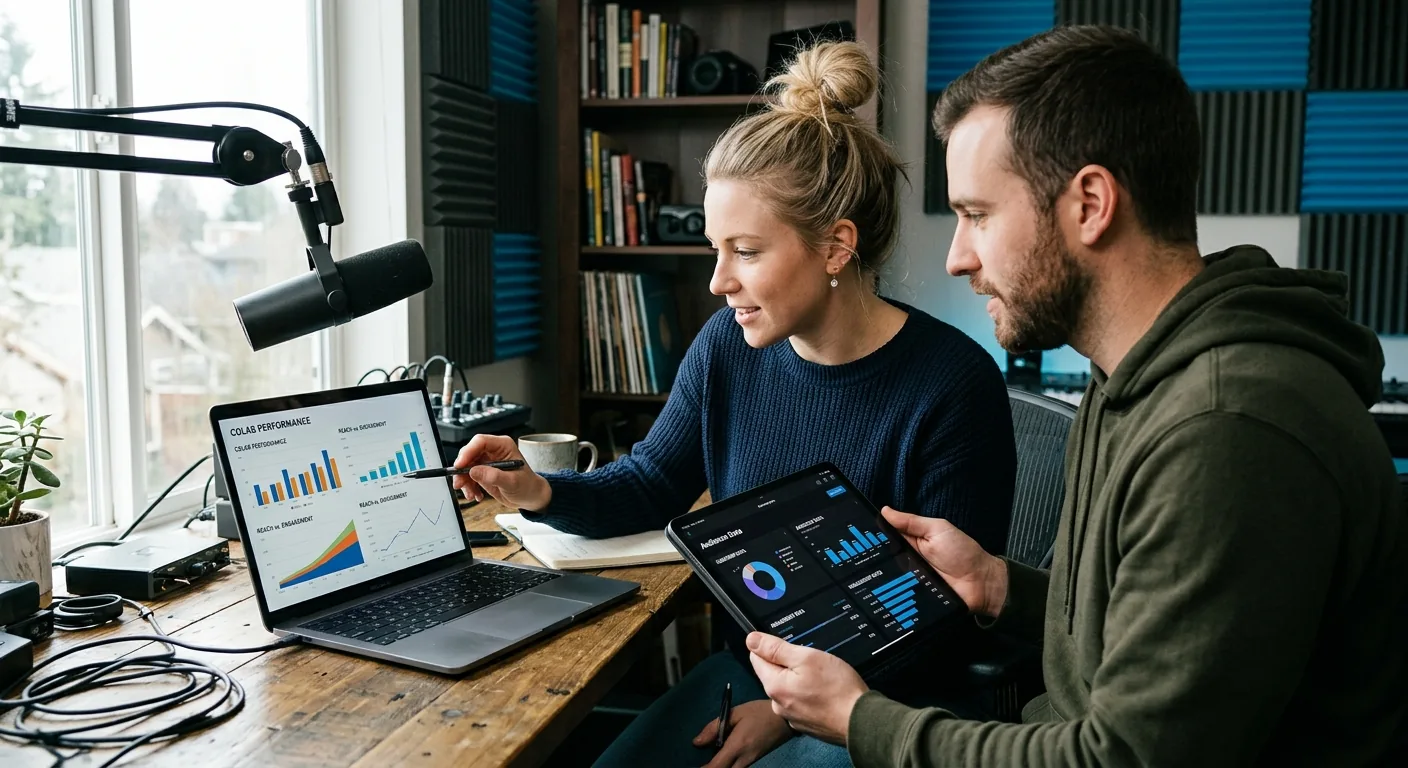
Compare Creator Valuation for Brand Collaborations
Compare creator valuation by reviewing which profile appears more collaboration-ready for a specific type of brand opportunity. The goal is not to force every creator into one universal number. The goal is to compare practical signals side by side so you can decide which account, content direction, or creator profile is the stronger fit for your next brand outreach step while keeping creator approval and a human-in-the-loop where commercial actions are discussed.
Quick Answer: What You Are Really Comparing
When creators say they want to compare creator valuation, they usually mean one of three things:
-
Comparing two creator accounts
-
Comparing two versions of their own profile or content direction
-
Comparing which profile looks more attractive for a specific collaboration category
In practice, you are not just comparing follower count or a rough rate estimate. You are comparing how usable each profile looks to a relevant brand opportunity.
That means a useful comparison looks at signals such as:
-
audience fit
-
engagement pattern
-
content consistency
-
recent brand relevance
-
channel mix
-
workflow readiness for the next step
This matters because creator valuation is directional. A lifestyle creator with a smaller but more on-theme audience may look more valuable for a skincare collaboration than a broader entertainment account with higher reach but weaker audience fit. A UGC-focused creator with fewer public followers may still compare well if their content style, reliability, and niche match a brand’s likely needs.
A good comparison helps you rank options. It does not need to claim a precise market price or an official industry-standard score.
Decision Boundary: When a Valuation Comparison Is Good Enough to Move Forward
A valuation comparison is good enough when it helps you make a clear next decision.
That decision is usually one of these:
-
move forward with Account A
-
move forward with Account B
-
keep both in play for different opportunity types
-
pause and gather better inputs before doing outreach
You do not need perfect certainty to move forward. You do need enough clarity to explain why one option appears stronger for the collaboration category you care about.
For example, your comparison is probably good enough if:
-
both accounts were reviewed over the same recent time window
-
you compared similar content categories instead of unrelated posts
-
you can name the top two or three strengths of each option
-
you can explain which account better matches a specific brand angle
-
you know what information is still missing
You should pause instead of forcing a conclusion if:
-
one account has too little recent content to compare fairly
-
the channels are too different for a like-for-like review
-
engagement is distorted by one unusual viral post
-
the niche or audience fit is still unclear
-
you have not defined the brand category you want to target
That boundary matters. Comparing creator valuation should support judgment, not replace it. If the inputs are thin, a rushed ranking can send you toward the wrong outreach list, the wrong pitch angle, or the wrong offer framing.
The Inputs to Compare Side by Side
To keep the comparison practical, use a short set of inputs that can be reviewed consistently across accounts.
Audience Fit
Ask how closely each creator’s audience appears to match the brand category you want to pursue. A fitness creator with a clear women’s wellness audience may compare better for activewear than a general lifestyle creator with broader but less targeted interest.
Look for:
-
niche clarity
-
audience-topic alignment
-
location relevance if the campaign is US-focused
-
signs that followers respond to the content category you want to pitch
Engagement Pattern
Do not just look at a single average. Look at the pattern.
Compare:
-
whether engagement is steady or inconsistent
-
whether comments show real interest in the topic
-
whether recent posts still perform in the niche you care about
-
whether brand-style or product-style content gets meaningful response
Content Consistency
A creator who posts consistently in one recognizable lane is often easier for a brand to understand. That does not mean every post must look identical. It means the account should give a clear signal about what kind of collaboration would make sense.
Check:
-
posting rhythm
-
recurring themes
-
visual and messaging consistency
-
whether the account feels active and current
Recent Brand Relevance
This is not about claiming that past sponsored content guarantees future deals. It is about checking whether the account already looks commercially understandable.
Compare:
-
prior content that naturally fits brand collaboration formats
-
category overlap with the opportunity you want
-
whether previous promotional content still feels on-brand
-
whether the creator can show a usable content style for campaigns
Channel Mix
If one account is strong on TikTok and another is stronger on Instagram, do not flatten them into one vague comparison. Compare them against the actual type of opportunity you want.
A creator may appear more valuable for:
-
short-form awareness campaigns
-
UGC deliverables
-
product demo content
-
community-led niche campaigns
The right comparison depends on the opportunity context.
Workflow Readiness
This is often overlooked. Two creators can look close in public metrics, but one may be much easier to move forward with because the profile, pitch angle, sample content, and next-step notes are already organized.
Workflow readiness includes:
-
clear positioning
-
easy-to-understand bio and content angle
-
organized opportunity notes
-
prepared talking points for outreach
-
internal clarity on what kind of deal to pursue next
Creator Workflow: Compare Creator Valuation Step by Step
Here is a bounded workflow you can complete without turning this into a long valuation project.
1. Define the Opportunity Type First
Do not compare accounts in the abstract. Pick the collaboration category first.
Examples:
-
beauty UGC for a DTC skincare brand
-
short-form sponsored post for a food brand
-
creator-led demo content for a wellness app
This keeps the comparison grounded in relevance.
2. Use the Same Time Window
Review the same recent period for each account, such as the last 30 to 90 days. That helps reduce distortion from old content or one-time spikes.
3. Compare Like for Like
If one creator is strong in tutorials and the other is strong in humor clips, decide whether the opportunity actually values one format over the other. Compare similar content types whenever possible.
4. Note Strengths and Gaps
For each account, write down:
-
strongest fit signals
-
weak points or unknowns
-
any content mismatch with the target brand category
-
whether the account feels collaboration-ready right now
5. Rank the Options
Keep the ranking simple:
-
best fit now
-
possible fit with more prep
-
not the right fit for this opportunity
That is enough for most solo creators and small teams.
6. Choose a Creator-Reviewed Next Action
Your next action might be:
-
prepare outreach for the stronger option
-
refine positioning before outreach
-
collect missing profile details
-
save the lower-ranked account for a different category
If outreach or commercial discussion is next, keep creator approval in place. Important outbound messages and commercial commitments remain creator-reviewed and approved, with a human-in-the-loop where commercial actions are discussed.
A Realistic US Creator Example Comparing Two Accounts
Here is an illustrative example.
A solo creator in Austin wants to pursue brand collaborations in clean skincare. She is comparing two creator profiles she manages under one business direction:
-
Account A: 18,000 Instagram followers, consistent skincare routines, steady posting, moderate comments, several unsponsored product-demo posts
-
Account B: 42,000 TikTok followers, broader lifestyle content, stronger peak views, less consistent beauty focus
She reviews the last 60 days for both.
For audience fit , Account A looks stronger because the content is clearly centered on skincare. Account B reaches more people, but beauty is only one part of the feed.
For engagement pattern , Account B has larger spikes, but many top posts are not related to skincare. Account A has lower volume but more repeat signals around product interest and routine content.
For content consistency , Account A wins again. A brand manager could understand the niche quickly. Account B may still be useful, but the pitch angle would need more explanation.
For recent brand relevance , Account A has multiple organic posts that already resemble what a skincare partner might want. Account B has stronger general creator energy but less obvious category alignment.
For workflow readiness , the creator already has a cleaner media narrative for Account A: niche summary, post examples, and draft talking points. Account B would need more prep before outreach.
Her decision: Account A appears more valuable for clean skincare collaboration outreach right now , even though Account B has more reach overall.
Her next action is not to send anything automatically. She prepares a short creator-reviewed outreach draft for skincare opportunities tied to Account A, and keeps Account B in reserve for broader lifestyle or mass-awareness campaigns. Creator approval stays in control before any message is sent.
What to Record Before the Next Step
After the comparison, record enough detail so you do not need to repeat the whole review later.
Write down:
-
the comparison date
-
the time window you used
-
the opportunity category you compared against
-
the two or more accounts or profile directions reviewed
-
the strongest fit signals for each option
-
the biggest gaps or unknowns
-
your final ranking
-
the next creator-reviewed action
A simple note can look like this:
Item What To Record Opportunity Type Clean skincare UGC and sponsored short-form Comparison Window Last 60 days Best Fit Account A Why Clear niche, stronger skincare relevance, more outreach-ready content Open Questions Need updated examples for product texture demos Next Step Prepare creator-reviewed pitch draft for skincare brands This record helps you stay consistent if you revisit the comparison in a week, share it with a collaborator, or prepare drafts later.
It also protects against vague decision-making. If you cannot explain why one profile ranked higher, your comparison probably needs another pass.
Where CreaSeed Can Support the Review Without Taking over Commercial Approval
CreaSeed can support the preparation and review side of this decision without taking over final commercial judgment.
CreaSeed’s AI Business Partner and AI Creator Agent fit this use case when you want help organizing the comparison, preparing notes, and reviewing next steps. These product experiences can support a creator-reviewed workflow around account comparison, including conversational guidance, assessments, opportunity review, and writing support.
For example, CreaSeed may support:
-
organizing comparison notes in one place
-
helping you structure creator assessment inputs
-
reviewing opportunity relevance before the next step
-
preparing creator-reviewed drafts or talking points for outreach
CreaSeed also offers chat-style workflow support, assessment flows, and brand opportunity search experiences. Broader workflow support may include pipeline organization and connected communication surfaces, but teams should confirm their current product setup for inbox, integration, CRM, reporting, or full-lifecycle coverage.
That distinction matters. CreaSeed is best framed here as creator-approved workflow support for preparation, drafting, review, opportunity organization, and next-step coordination. It should not be treated as an autonomous valuation authority, a hands-off talent manager, or a system that sends messages, negotiates deals, or signs contracts without creator approval.
If your next move after comparison is outreach prep, CreaSeed can fit most naturally as support for organization and draft preparation while keeping the final call with you.
To go deeper on adjacent tasks, you can explore: