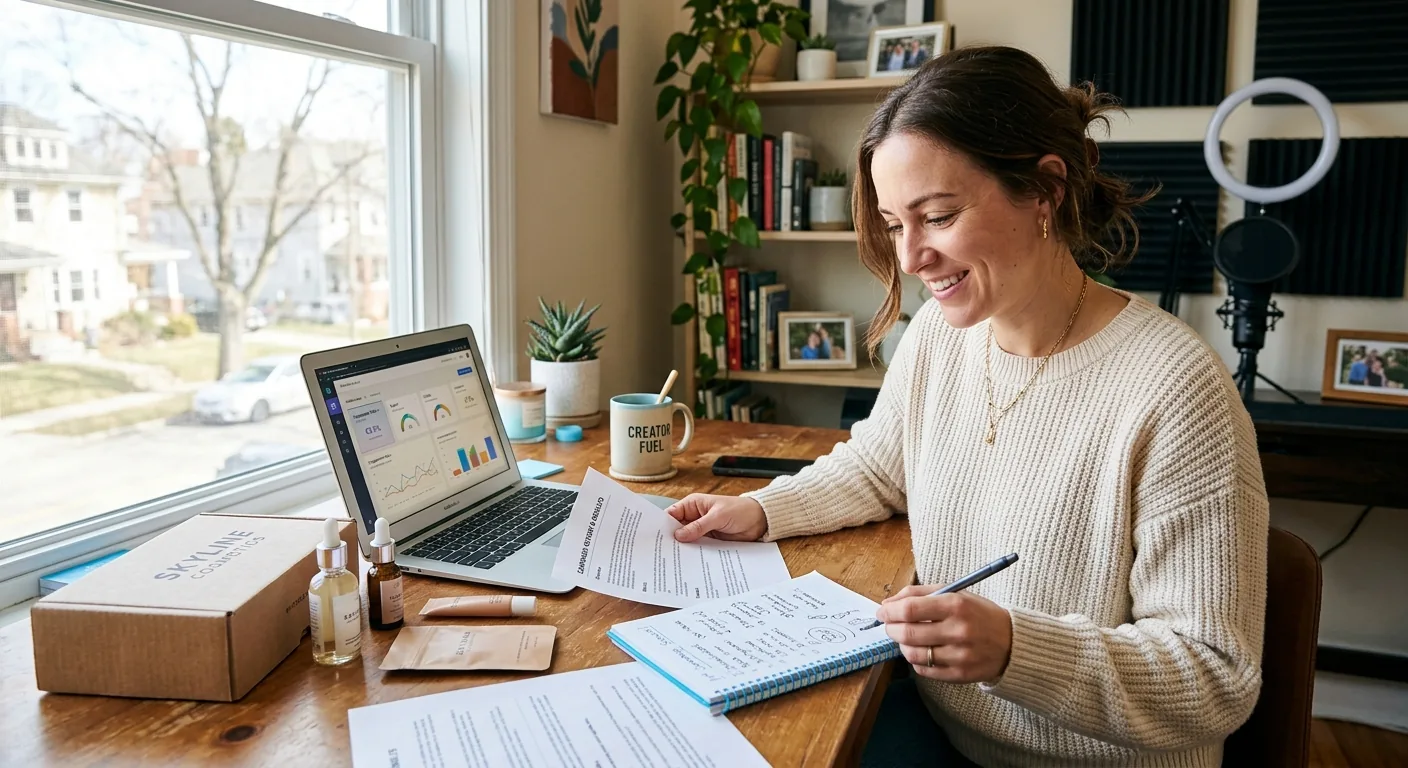
Negotiate Brand Opportunities After First Deal
Yes—after your first brand deal, you usually have more leverage for the next conversation because you can point to a real working relationship, not just a pitch. But that does not mean every second deal should come with an automatic big increase or looser terms. The strongest negotiation position comes from reviewing what actually happened in the first collaboration, deciding what was worth the effort, and asking for changes based on scope, usage, timeline, approvals, and fit.
If you are trying to negotiate brand collaboration opportunities after first deal, treat the first project like your proof point and your data source. Your goal is not to sound aggressive. Your goal is to show that you understand the workload, know what terms matter most, and can respond professionally with creator-reviewed next steps.
What Changes After Your First Brand Deal
The biggest shift after a first deal is clarity.
Before a first collaboration, both you and the brand are estimating. After one completed project, you know much more about how that relationship actually works. You have a better sense of:
-
how much time the content took
-
how many revisions the brand requested
-
how fast approvals moved
-
whether communication was organized or chaotic
-
whether the payment process felt smooth
-
whether the brand was a strong fit for your audience and workflow
That matters because repeat negotiations are usually stronger when they are based on specifics. Instead of saying, “My rate is higher now,” you can say, “The first campaign required two rounds of revisions, extended usage, and a faster turnaround than the initial scope suggested, so I’d like to update the fee and approval terms for the next collaboration.”
That is a very different conversation. It is grounded, professional, and easier for a brand contact to evaluate.
A first successful deal can also help reduce uncertainty on the brand side. They have already seen you deliver, communicate, and meet deadlines. That can make a second opportunity easier to discuss. Still, leverage should come from proven fit and real project history—not from assuming the brand will accept any term because they worked with you once.
How to Review the First Collaboration Before You Negotiate Again
Before you answer a repeat opportunity, review the first deal like a working post-project recap. This is where many creators miss value. If you do not document the first experience, it is harder to explain what should change.
Start with the actual deliverables. Ask yourself:
-
Did the final work match the original scope?
-
Did the brand ask for extra edits, bonus footage, or additional posting support?
-
Did “small asks” add up to meaningful extra labor?
Then review turnaround time. A fast deadline may justify different pricing or a narrower package next time. A relaxed timeline with clear approvals may make the opportunity more attractive even if the fee stays close to the first one.
Revision load is another major factor. One round of light edits is very different from multiple rounds of detailed changes. If revision requests expanded the workload, that is something to renegotiate directly.
You should also look carefully at rights-related terms, including:
-
usage rights
-
exclusivity
-
whitelisting
-
licensing length
-
renewal expectations
These topics can change the value of a deal even when the content deliverables look similar. A second collaboration that includes broader usage or longer licensing should not be treated exactly like the first one. If those terms appear in a contract, keep your review informational and get legal advice when you need deal-specific interpretation.
Payment timing also matters more than many creators expect. A brand that pays on time, communicates clearly, and closes projects cleanly may be worth prioritizing. A brand that requires repeated follow-up for invoices may still be workable, but you may want tighter payment terms before taking another collaboration.
Finally, review communication quality. Did you know who approved what? Did you get clear feedback? Did the brand respect boundaries and deadlines? Repeat work is not just about money. It is also about whether the relationship is sustainable.
How to Decide About Negotiate Brand Collaboration Opportunities After First Deal
Use this decision checkpoint before you send any counter or acceptance.
1. Decide Whether the Relationship Is Worth Extending
Not every repeat offer deserves negotiation. Some deserve a polite no.
If the first deal created excessive unpaid work, vague approvals, or difficult communication, the right next move may be to pass unless the brand is willing to change the structure.
2. Separate “Better Fee” from “Better Terms”
Sometimes the right ask is a higher rate. Sometimes it is tighter scope, fewer revision rounds, shorter usage, faster payment timing, or clearer approval deadlines. Negotiation is not only about price.
3. Identify Your Non-Negotiables
Know your minimum acceptable terms before replying. Examples might include:
-
one approval contact
-
a defined number of revisions
-
a specific payment window
-
separate pricing for extended licensing
-
no category exclusivity without additional compensation
4. Choose Your Path
For most repeat opportunities, your next step falls into one of five lanes:
-
Negotiate the rate when the workload or rights value increased.
-
Reduce the scope when the budget is flat but the ask is too large.
-
Tighten the terms when the first deal created friction around approvals, revisions, or payment.
-
Ask follow-up questions when the new opportunity is still too vague.
-
Pass politely when the fit is no longer strong enough.
5. Keep Commercial Actions Creator-Reviewed
Important outbound messages and commercial commitments remain creator-reviewed and approved. That human-in-the-loop approach matters most when rates, rights, timelines, or commitments are being discussed. Creators independently verify contacts and approve every outbound message, commercial term, and commitment.
What to Renegotiate in the Next Opportunity
When a brand comes back for another campaign, here are the most common areas worth revisiting.
Rate and Package Size
If the first project proved you are a good fit, you may have room to ask for a better fee or a different package structure. Instead of only raising the single-post rate, you might propose a package that matches the brand’s real needs better.
Deliverables
Spell out exactly what is included. A short-form video, story frames, raw footage, still images, repost rights, and extra cutdowns are not all the same thing.
Timelines
If the brand needs a faster turnaround than before, that changes the workload. If your schedule is tighter now, you may want more lead time or a narrower content package.
Approvals and Revisions
If the first deal involved too many voices or rounds of edits, ask for a clearer approval process. This can protect both your time and the relationship.
Licensing and Renewal Terms
A repeat deal may look simple on the surface but carry broader content usage. Clarify where the content will live, for how long, and whether renewals are priced separately.
Repeat-Work Expectations
Some brands begin to assume a creator will continue working at the same structure forever. If you want a different cadence, more planning time, or clearer campaign boundaries, say so early.
Payment Timing
If the first collaboration closed slowly on the finance side, ask for cleaner invoice and payment terms before agreeing again.
A professional response can be simple. For example:
Thanks for thinking of me again. I’d be happy to explore another collaboration. Based on the first project, I’d like to revisit the scope, timeline, and usage terms so I can send back an updated package that reflects the work involved.
That tone is direct without sounding pushy.
A Creator-Owned Decision Record for Repeat Brand Opportunities
One of the most useful habits after a first deal is keeping a short decision record you can reuse before every repeat negotiation.
Your record can include:
-
what the first collaboration included
-
what went smoothly
-
what created extra work
-
what you would happily repeat
-
what you want changed next time
-
your minimum acceptable terms
-
the key message points you want to approve before replying
This matters because memory gets fuzzy fast, especially if you are handling multiple conversations at once. A creator-owned decision record helps you stay consistent and avoid underpricing repeat work just because the brand is familiar.
You do not need a complicated system. Even a simple note can work if it captures the real workload and your next-step judgment.
One Practical Creator Scenario: A US Creator Negotiating a Second Collaboration
Here is a realistic example.
A UGC creator in Texas completed a first project for a skincare brand: one short-form video and three story frames. The project went well overall, but the creator noticed that the brand requested extra revision detail and asked for broader content usage than the original conversation emphasized.
A month later, the brand comes back asking for another video package on a similar timeline.
Instead of replying with a flat yes, the creator reviews the first collaboration and writes down:
-
the original deliverables versus final work delivered
-
how long revisions actually took
-
that the payment arrived, but later than ideal
-
that the brand was pleasant to work with
-
that broader usage should be priced more clearly next time
The creator decides this is a good relationship worth continuing , but not on identical terms.
Their response is professional and moderate:
I’d love to discuss another collaboration. Since the first campaign included a fairly hands-on revision process and broader usage needs, I’d like to send an updated scope and pricing option for this round. If you can share the expected deliverables, timing, and usage plan, I can put together the best fit.
That response does three things well:
-
It signals interest.
-
It explains why updated terms make sense.
-
It asks for the exact details needed before locking in the next deal.
This is usually a stronger move than either overreaching or accepting too quickly.
Where CreaSeed Can Support Your Next-Step Workflow
CreaSeed fits this stage as creator-approved workflow support—not as a hands-off talent manager.
For repeat brand opportunities, CreaSeed may support you with:
-
opportunity organization so you can compare the first deal against the new ask
-
conversational preparation for talking points before you reply
-
draft preparation for creator-reviewed responses
-
next-step coordination as you decide whether to negotiate, clarify, or pass
CreaSeed’s workflow support can be especially useful when you want to turn your first collaboration into a clearer second-deal response without losing creator control. The demonstrated interface includes conversational, opportunity, and text-suggestion surfaces, which can help with preparation and review.
If you want product fit here, the most relevant starting point is see how AI Creator Agent supports creator-reviewed business conversations.
Creators independently verify contacts and approve every outbound message, commercial term, and commitment. When commercial actions are discussed, keep the process human-in-the-loop.
If your team needs broader CRM, tracker, reporting, integration, or full-lifecycle coverage, confirm the current product setup before treating CreaSeed as that kind of system.
You may also want to explore nearby resources if you are comparing workflow options or building your process:
-
Compare creator workflow support with a traditional manager-style path
-
Learn how beginner creators can approach brand collaboration opportunities
-
Read a related guide on handling next steps after a replacement scenario
Explore how CreaSeed can support your creator workflow.
Keep this decision connected to Deal Negotiation and the focused Creator Counteroffers collection. For a concrete next step in the same decision cluster, continue with Counter Offer Email Template — Resources before making a creator-approved commitment.
FAQ
Should I Charge More After My First Brand Deal?
Maybe, but only if the new opportunity justifies it. A first successful collaboration can strengthen your position, yet the best reason to increase your fee is clearer scope, more demanding timelines, more revisions, broader usage, exclusivity, or stronger proof of fit. Use the first deal to support your reasoning instead of assuming a second deal always deserves a major jump.
What If the Brand Wants the Same Rate as the First Collaboration?
You do not have to reject it automatically. First compare the new ask to the original workload and terms. If the scope is nearly identical and the relationship was smooth, keeping a similar rate may still make sense. If the ask expanded in any way, explain what changed and propose updated pricing or tighter terms.
How Do I Negotiate Without Sounding Difficult?
Lead with interest, then move to specifics. Thank the brand, confirm that you are open to another collaboration, and explain which terms you want to revisit based on the first project. Professional, calm language usually works better than emotional or overly defensive wording.
What Should I Track from the First Deal Before Replying Again?
Track the final deliverables, actual time spent, revision rounds, approval speed, usage terms, exclusivity, whitelisting, payment timing, and communication quality. Those notes give you the clearest basis for deciding whether to accept, counter, or pass.
Can CreaSeed Negotiate with Brands for Me?
CreaSeed supports preparation, organization, drafting, and creator review. Creators approve every outbound message, commercial term, and commitment. That means you stay in control of what gets sent and what terms you accept.
Is This Legal or Tax Advice?
No. Contract, payment, tax, usage-rights, exclusivity, whitelisting, and licensing topics on this page are informational. If you need deal-specific legal or tax guidance, use a qualified professional for your situation.
For creator-reviewed workflow support, see CreaSeed’s AI Creator Agent.