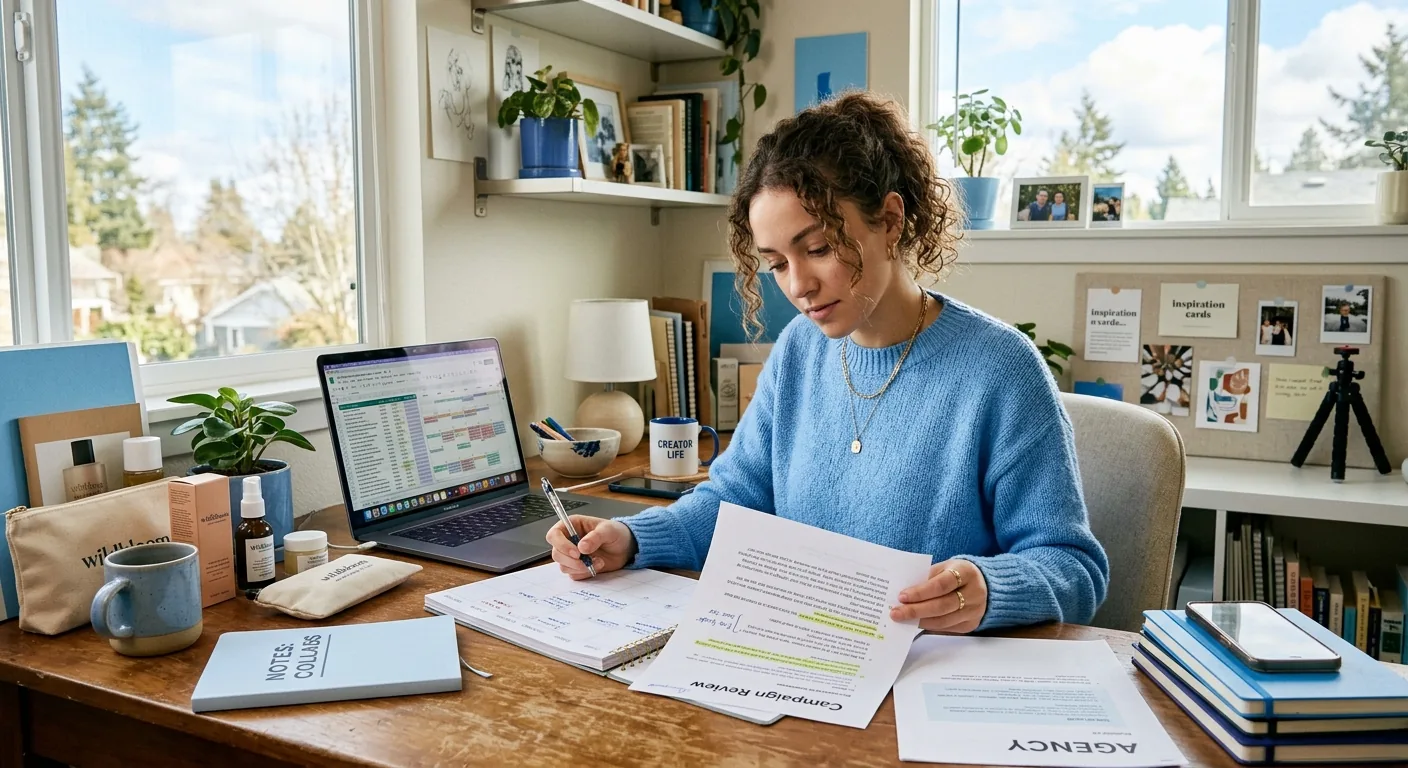
After First Deal: Manage Brand Opportunities
After your first brand deal, the smart move is to treat every new opportunity as one of three things: a repeat of the same work, an extension of the original scope, or a completely new deal. That simple classification helps you avoid underquoting, overcommitting, or agreeing too fast. The key is to log what happened in the first collaboration, compare the new ask against it, and keep every commercial reply, term, and commitment under creator approval.
A lot of creators assume a second message from the same brand is automatically “good news” and should move fast. Sometimes that is true. But sometimes the brand is asking for extra usage, more deliverables, tighter deadlines, or a new campaign under different conditions. Managing brand collaboration opportunities after first deal really means protecting the relationship and protecting your workload, timing, and business terms.
Clarify the Decision for Manage Brand Collaboration Opportunities After First Deal
Once the first collaboration is complete, your next job is not to build a giant system. It is to make one clear decision each time a follow-up opportunity appears.
That decision is:
Is this new ask the same kind of deal, an add-on to the last one, or a fresh opportunity that needs fresh terms?
That distinction matters because creators often lose control after the first deal in quiet ways:
-
A brand asks for “one more version” that is really extra scope
-
A previous contact introduces you to another team with different goals
-
A campaign rolls into another month, but nobody resets timing or approval steps
-
A brand refers back to the first deal as if all prior terms automatically carry forward
When you pause and classify the opportunity first, you make better decisions with less stress. You also create cleaner records for future follow-up.
Use this quick scenario checklist whenever a brand comes back after your first completed deal:
-
What exactly did the first deal include?
-
Has the first deal been fully delivered and approved?
-
Has payment been completed or is anything still open?
-
Is the new ask identical, slightly broader, or clearly different?
-
Is the same contact involved, or is this a different team or department?
-
Are timing, usage, platform, exclusivity, or deliverables changing?
-
Are you ready to reply now, or do you need missing details first?
If you cannot answer those questions in a minute or two, you do not yet have enough clarity to confirm anything new.
Decision Criteria and Records to Keep
To manage future brand collaboration opportunities well, keep a small record of the first deal. This does not need to be complicated. It just needs to be accurate enough that you can review it before replying.
Here is what to record from the first collaboration.
Original Scope
Write down the exact deliverables from the first deal.
For example:
-
1 TikTok video
-
3 edited product photos
-
1 round of revisions
-
posting window during a specific week
This helps you spot when a “small follow-up” is actually a bigger ask.
Timeline and Turnaround
Record:
-
when the brand first reached out
-
when you accepted
-
when content was due
-
when content was submitted
-
when revisions came in
-
when the collaboration wrapped
Timing history matters because a new ask with a much shorter turnaround is not really the same deal, even if the deliverable looks similar.
Approval History
Note who approved what and when.
That can include:
-
brand contact name and role
-
who approved the concept
-
who approved the final content
-
whether multiple people joined late in the process
This helps when a second team enters the picture and assumes they can pick up where the first contact left off.
Payment Status
Keep a simple note on:
-
agreed rate
-
invoice sent date
-
payment received date
-
whether any part of the payment is still pending
If the first deal is not financially closed, that can affect how you handle a second opportunity. It does not mean you refuse it automatically, but it does mean you should reply with extra care.
Usage and Access Details
Note any terms that affected how the content could be used, such as:
-
where the content would appear
-
how long the brand could use it
-
whether paid usage came up
-
whether exclusivity was part of the conversation
You are not giving yourself legal advice here. You are simply keeping enough context to notice whether the new request changes the business value of the work.
Relationship Context
Record the practical details that are easy to forget later:
-
Was the brand easy to work with?
-
Did revisions stay reasonable?
-
Was feedback clear or scattered?
-
Did the contact respond quickly or slowly?
-
Would you want to work with them again under similar terms?
These notes matter because not every repeat opportunity is worth prioritizing just because the first deal happened.
Exact Next Action
Finish your record with one plain-language line:
-
waiting for final payment
-
open to repeat work if scope is similar
-
only interested if timeline is longer
-
okay to reconnect next quarter
-
need details before discussing rates
That last line makes the next decision much faster.
One Practical Creator Scenario
Say you are a UGC creator in the US who completed your first paid short-form video for a skincare brand. The original deal was one 30-second product demo video, one revision round, and a two-week timeline. The brand paid on time, the content approval process was straightforward, and the relationship felt positive.
Two weeks later, the same contact emails again. This time they ask for:
-
a second video for another product
-
raw footage options if possible
-
a faster turnaround
-
a chance to introduce you to their paid social team for future work
This is exactly the kind of moment where creators can either manage the opportunity well or slide into unclear terms.
Here is how the checklist works in this situation.
Step 1: Review the First Deal Facts
You look back and confirm:
-
first deal was for one edited video only
-
raw footage was not included
-
timeline was two weeks, not three days
-
payment is complete
-
same primary contact is reaching out
Right away, you can see this is not a simple copy of the first deal.
Step 2: Identify What Changed
The new opportunity includes three important changes:
-
new product, which may still be similar work
-
raw footage request, which changes value and scope
-
faster deadline, which changes production conditions
The referral to another team is also important. That does not automatically make it a bigger opportunity, but it does mean you may soon be discussing work outside the original relationship.
Step 3: Classify the Opportunity
This is best treated as an extension plus possible new opportunity , not a same-terms repeat.
Why?
Because one part of the ask is familiar, but the added asset request and compressed timeline change the deal structure. The possible intro to the paid social team is even more clearly a separate opportunity that may need its own conversation.
Step 4: Decide What Details You Still Need
Before replying, you need to confirm:
-
exact deliverables needed for the second video
-
whether raw footage is optional or required
-
expected usage for the new assets
-
exact deadline
-
whether the paid social team conversation is just an intro or an active project
That is enough information to move forward without overcommitting.
How to Decide About Manage Brand Collaboration Opportunities After First Deal
Use this decision path after the first brand deal whenever a new message comes in.
1. Continue Under Similar Terms
Choose this path if:
-
deliverables are almost identical
-
timeline is similar
-
same usage context applies
-
same contact is handling the work
-
no extra approvals or assets are being added
In that case, the opportunity is a true repeat. You can reply from a position of clarity because you know what the work looks like.
2. Pause and Clarify Before Discussing Terms
Choose this path if:
-
the deliverable sounds similar but details are missing
-
the brand says “something like last time” without specifics
-
another team member joins with new expectations
-
the timeline is tighter than before
-
the first deal is still open on approvals or payment
This is the most common path after the first deal. A short pause protects you from treating vague interest like a clean repeat booking.
3. Treat It as a Fresh Opportunity
Choose this path if:
-
the brand wants new asset types
-
usage changes materially
-
timing changes sharply
-
another department is involved
-
platform, campaign goal, or content volume changes
This path does not mean the relationship is bad. It just means the new ask needs fresh scope, fresh review, and fresh creator approval before anything is agreed.
A simple rule helps here:
If the work, timing, or business value changed, the conversation should change too.
What to Say Before You Confirm Anything New
Your reply does not need to be long. It needs to be clear, calm, and non-committal until you have what you need.
A strong structure is:
-
acknowledge the follow-up interest
-
reference the previous collaboration
-
ask for the missing scope details
-
hold off on confirming terms until you review them
For example:
Thanks for reaching out again — I enjoyed working on the first campaign. I’d be glad to take a look at this next opportunity. Before I confirm anything, could you share the exact deliverables, timeline, and whether raw footage is needed for this round?
That kind of response does three useful things:
-
it keeps the relationship warm
-
it signals professionalism
-
it preserves creator approval before any commercial commitment is made
If rates, deliverables, or timelines are being discussed, keep the process centered on creator review before anything is confirmed. Important outbound messages and commercial commitments should be reviewed and approved by the creator. Creators should independently verify contacts and approve every outbound message, commercial term, and commitment.
When a Simple Tracking System Is Still Enough
If you are a solo creator handling a low volume of repeat opportunities, a lightweight record is often enough.
A simple system still works when:
-
you have only a few active brand relationships
-
most follow-up asks are easy to classify
-
one person is managing all communication
-
you can quickly see payment, scope, and next step status
In that stage, the goal is not more software. The goal is fewer unclear replies.
You may need a deeper setup when:
-
multiple team members touch brand communication
-
you juggle repeat work across many contacts
-
campaign history gets hard to find
-
you need more than lightweight organization and reply preparation
If broader CRM, tracking, integration, reporting, or full-lifecycle support matters to your workflow, review your current setup before relying on it.
Your Next Creator-Owned Step
Before you answer the next follow-up brand message, review your first deal and write down the facts that matter: original scope, timing, approvals, payment status, relationship notes, and the exact next action. Then classify the new ask as a repeat, an extension, or a fresh deal. Send only the reply you approve.
CreaSeed can support creator-reviewed drafts, opportunity organization, and workflow preparation while creators review and approve each commercial decision.
Explore how CreaSeed can support your creator workflow.
-
ways creators can optimize brand collaboration opportunities with better preparation
-
how brand collaboration opportunities compare with using a professional template
-
what growing creators should understand about brand collaboration opportunities
Keep this decision connected to Brand Deals & Opportunities and the focused Finding Brand Opportunities collection. For a concrete next step in the same decision cluster, continue with Discover Brand Opportunities before making a creator-approved commitment.
FAQ
Should I Treat a Second Message from the Same Brand as a Repeat Deal?
No. Treat it as a repeat deal only if the deliverables, timing, and overall scope are truly similar. If the brand adds assets, shortens the deadline, changes usage, or brings in another team, it is safer to pause and review it as a modified or new opportunity.
What Is the Most Important Thing to Save from the First Brand Deal?
The most important record is the exact scope of the first agreement: what you delivered, when it was due, who approved it, what you were paid, and what still remained open. That gives you a clean reference point before you respond to any follow-up request.
What If the Brand Wants Something “Similar to Last Time” but Is Vague?
Ask for specifics before discussing terms. “Similar” can hide changes in turnaround, asset count, usage, or revision load. A short clarification step protects your time and helps you avoid agreeing to more than you intended.
Do I Need a Full CRM After My First Brand Deal?
Not usually. Many solo creators can manage early follow-up opportunities with a simple record and a consistent checklist. If your workflow starts involving more contacts, more campaigns, or shared team handling, then it makes sense to confirm whether you need broader CRM, tracking, integration, reporting, or fuller lifecycle support.
How Should I Handle Replies When Money or Scope Is Being Discussed?
Keep replies professional and creator-controlled. Acknowledge interest, ask for missing details, and avoid confirming deliverables, timing, or rates until you have reviewed everything. Creator approval should stay central whenever commercial terms or commitments are involved.