Brand Collaboration Opportunities Fit for Implementation
Brand collaboration opportunities fit for implementation means one simple thing: is this opportunity clear enough, aligned enough, and organized enough for you to take the next real step now? For creators, the best answer is usually not just “yes” or “no.” It is one of three outcomes: ready now , needs clarification , or not a fit . That decision gets stronger when you write it down, review the details before you reply, and keep creator approval on every outbound message, commercial term, and commitment.
If you are a solo creator, UGC creator, or small creator team, implementation fit matters because attractive opportunities often break down once you check the workload, timing, rights, pay clarity, and actual contact credibility. A practical workflow helps you avoid guessing, overcommitting, or replying before you know what you are saying yes to.
Quick Answer: Is This Opportunity Ready for You to Act On?
A brand collaboration opportunity is ready for action when you can answer the basics without filling in major blanks yourself. You should know who the brand is, what they want, what content is expected, when it is due, how compensation is framed, and whether the next step is realistic for your current schedule and audience.
A fast way to judge implementation fit is:
-
Ready now : the opportunity is clear, relevant, and workable enough to reply to.
-
Needs clarification : the opportunity could fit, but key details are missing.
-
Not a fit : the brand, ask, timeline, or terms do not make sense for your business right now.
That framing is especially useful when you are juggling multiple inbound emails, DMs, referrals, and warm opportunities at once. It keeps you from treating every interesting lead like an urgent yes.
Brand Collaboration Opportunities Fit for Implementation: Decision Record
The most useful way to evaluate implementation fit is to keep a creator-owned decision record. This is not a long formal document. It is a short, repeatable record you can use every time a new opportunity appears.
Here is a practical version you can copy into your notes, a doc, or your working system:
Decision Record Field What to capture Why it matters Opportunity source Email, DM, referral, repeat brand, marketplace lead Helps you judge context and urgency Brand and product match Does the brand make sense for your audience and content style? Good brand fit is easier to implement well Content match UGC, short-form post, story set, testimonial, product demo, whitelisting request Clarifies whether the ask matches what you actually create Deliverables Exact number of assets, format, revisions, posting requirements Prevents vague “content package” confusion Timeline Draft date, review date, posting window, campaign deadline Shows whether the opportunity fits your calendar Compensation clarity Flat fee, gifted only, usage add-ons, unclear payment terms Tells you whether the business side is ready for discussion Rights and usage questions Organic usage, paid usage, duration, exclusivity, category conflicts Important before any commercial commitment Contact credibility Brand domain, agency context, prior thread history, public footprint Helps you independently verify who you are dealing with Response readiness Can you send a thoughtful reply today, or do you still need info? Turns evaluation into a next action Final decision Ready now, needs clarification, or not a fit Keeps your pipeline moving This record matters because an opportunity is only “good” if you can actually execute it without confusion. A campaign that looks exciting on the surface may still be a weak implementation fit if the brief is vague, the approval chain is messy, or the timeline collides with work you already accepted.
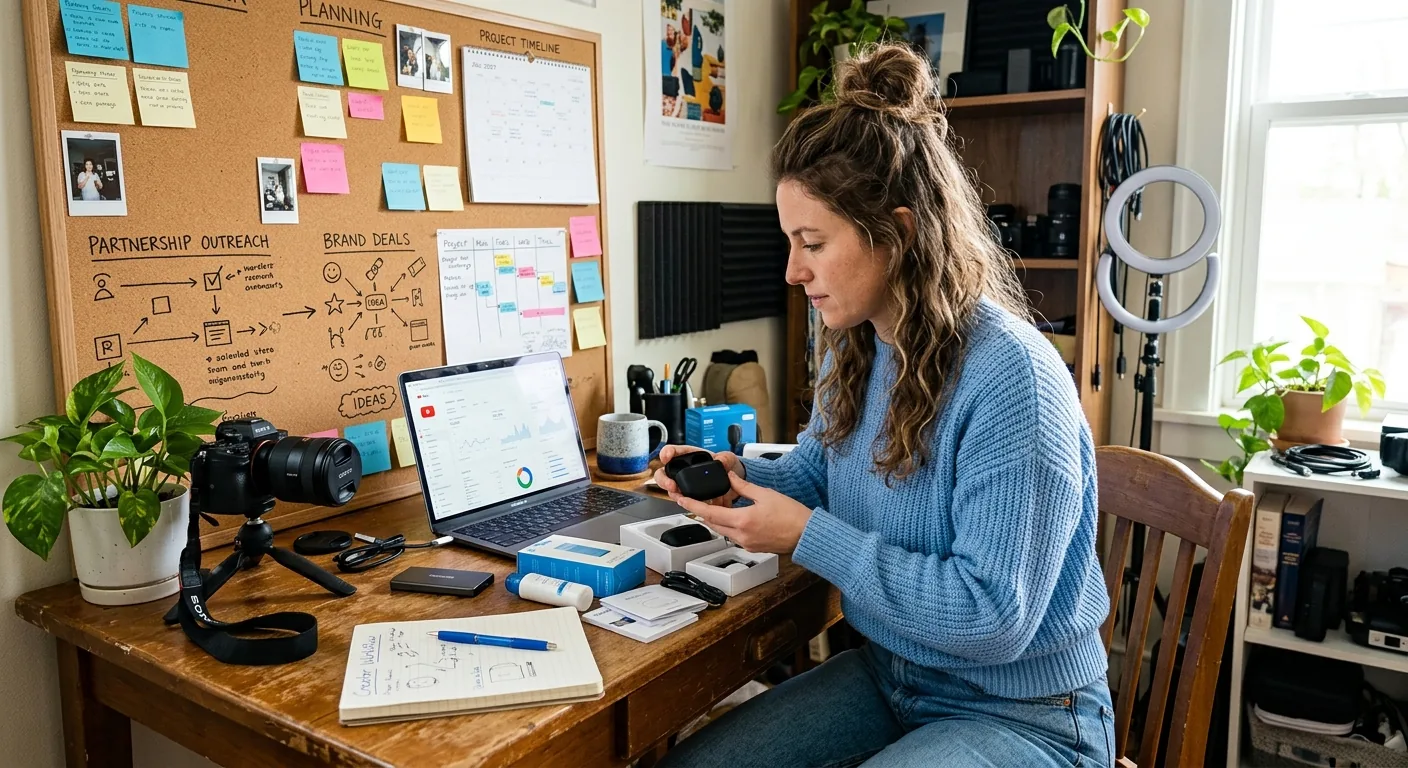
If you like a more visual workflow, you can also think of the decision record as moving through three broad stages: discovery, evaluation, and action. The point is not the label. The point is separating “I saw this” from “I understand this” and then from “I am ready to reply.”
Decision Criteria and Creator Review
The decision record works best when you apply the same review criteria every time. That keeps emotion from making the decision for you.
Start with audience and brand fit . Ask yourself whether this brand belongs naturally in your content world. A beauty creator may pass on a finance app even if the budget sounds solid. A lifestyle UGC creator may accept a kitchen tool campaign even without planning to post it on a personal channel, because the content ask matches their production style.
Next, check execution fit . This is where many creators get stuck. A collaboration might sound easy until you notice that it includes three concepts, two rounds of revisions, raw footage delivery, a 72-hour turnaround, and seasonal posting timing. That is not just one post. That is a production workload.
Then review business clarity :
-
Is compensation described clearly enough to continue the conversation?
-
Are usage expectations stated, or do you need to ask?
-
Is exclusivity mentioned?
-
Are payment timing and invoicing expectations likely to need clarification?
Legal, tax, payment, and rights topics matter here, but they are still informational questions at this stage. They are reasons to slow down, clarify, and document terms before you commit.
Most important, keep the workflow human and creator-controlled. Creators independently verify contacts and approve every outbound message, commercial term, and commitment.
When commercial actions are discussed, the human-in-the-loop is not optional. It is how you protect your voice, your rates, your schedule, and your relationships.
That is also why a practical workflow should separate:
-
collecting the opportunity,
-
organizing the facts,
-
preparing a draft response,
-
reviewing the reply yourself, and
-
only then deciding whether to send, ask questions, hold, or pass.
What Makes an Opportunity Practical Instead of Just Interesting
Interesting opportunities create excitement. Practical opportunities create clarity.
An opportunity is usually practical when:
-
the ask is specific,
-
the timeline is realistic,
-
the decision-maker seems identifiable,
-
the content format matches your process,
-
the compensation conversation can move forward without guesswork, and
-
you know what your next email or message should say.
An opportunity is often only interesting when it has one or two attractive signals but too many missing pieces. Examples include:
-
a recognizable brand name with no usable brief,
-
a high-level “let’s collaborate” DM with no budget or scope,
-
a gifted-only offer that expects a full paid-style production workload,
-
a rush request that lands during an already full delivery week,
-
or a campaign that sounds good until you see broad usage expectations.
This distinction matters because implementation drag is real. Every unclear opportunity costs time. You may spend 30 minutes researching the company, 20 minutes outlining questions, and another hour trying to figure out whether the deliverables are even worth discussing. For a solo creator, that time is part of the cost.
A simple rule helps: if the next step is unclear, the opportunity is not implementation-ready yet . It may still become a fit, but it belongs in “needs clarification,” not “ready now.”
One Practical Creator Scenario
Here is one realistic example.
A micro UGC creator in Texas receives an email from a small wellness brand launching a new hydration product. The brand asks for:
-
3 short-form UGC videos,
-
5 raw hooks,
-
1 round of revisions,
-
delivery within 10 days,
-
and possible paid usage “depending on performance.”
The creator likes the product category and has made similar content before. At first glance, the opportunity looks strong. But the creator uses the decision record instead of replying immediately.
Opportunity source: inbound email from a branded domain.
Brand and product match: good fit for the creator’s existing health and routine content.
Content match: strong fit because the creator already produces testimonial-style and demo-style UGC.
Deliverables: clear enough to understand workload, but raw hooks suggest extra editing prep.
Timeline: possible, but only if another project does not expand.
Compensation clarity: partial. The brand mentions budget but does not separate base fee from usage.
Rights and usage questions: this is the biggest gap. “Depending on performance” is too vague for paid usage.
Contact credibility: the creator checks the website, email domain, and product pages and confirms the brand appears legitimate.
Response readiness: yes, but only as a clarification reply.
Final decision: needs clarification.
Instead of sending a rushed acceptance, the creator prepares a short response asking about paid usage scope, duration, platform use, and whether raw hooks are included in the base fee or treated separately. That keeps the conversation moving without overcommitting.
This is what implementation fit looks like in real life. The opportunity was not a pass. It also was not ready for a clean yes. The correct next step was a creator-approved clarification reply.
Where CreaSeed Can Support Your Workflow
CreaSeed may fit this stage of the process when you want help turning scattered opportunities into an organized, reviewable workflow. For creators evaluating implementation fit, that usually means support with:
-
organizing opportunities in one working flow,
-
preparing creator-reviewed drafts,
-
clarifying the next step before you reply,
-
and using a conversational workspace to think through trade-offs.
CreaSeed supports conversational, assessment, opportunity, and text-suggestion workflows that can help with the preparation side of brand collaboration work.
For example, AI Creator Agent can fit naturally when you want conversational preparation and next-step support around a live opportunity. CreaSeed can also support opportunity organization and creator-reviewed draft preparation when you are deciding whether to ask follow-up questions, hold an offer, or move forward carefully.
Just keep the boundaries clear: creators still independently verify contacts and approve every outbound message, commercial term, and commitment. CreaSeed is best understood here as workflow support for preparation, drafting, organization, and coordination.
If your team needs broader CRM coverage, full tracker coverage, reporting, wider integration scope, or end-to-end lifecycle management, teams should confirm the current setup before treating it as part of your implementation plan.
You can also explore related guidance on evaluating a creator workflow for brand collaboration opportunities, learn how creators can assess opportunity fit before taking action, review our resource on creating more brand collaboration opportunities, or see more about AI Creator Agent for creator-reviewed workflow support.
Questions to Answer Before You Reply or Commit
Before you send any reply or accept any terms, answer these questions clearly:
-
Do I understand exactly what the brand wants?
-
Does this fit my audience, content style, and current schedule?
-
Is the workload reasonable for the fee or proposed arrangement?
-
Are usage rights, paid usage, exclusivity, or category conflicts clear enough to discuss?
-
Have I independently verified the contact and brand context?
-
Do I know whether I am sending a yes, a clarification reply, a hold response, or a pass?
-
Have I personally reviewed and approved the outbound message?
If you cannot answer most of those in one sitting, the opportunity probably belongs in a hold state until you can. That pause is not lost momentum. It is good implementation discipline.
The goal is not to make every opportunity perfect. The goal is to make each next step intentional.
See how CreaSeed can support your creator workflow.
Continue with the Brand Deals overview and the Finding Opportunities collection. Then compare the related creator guide and the next practical resource for the next step in this workflow.
FAQ
What Should Creators Know About Brand Collaboration Opportunities Fit for Implementation?
Creators should know that implementation fit is different from general interest. A collaboration can sound exciting and still be a poor fit to act on today. The practical check is whether the opportunity is clear enough, aligned enough, and organized enough for you to take the next step with confidence and creator approval.
How Do I Know If a Brand Opportunity Is Ready Now or Needs Clarification?
It is ready now when you understand the brand, deliverables, timing, and likely business discussion well enough to send a thoughtful reply. It needs clarification when key details are missing, especially around scope, usage, deadlines, or compensation. If major parts of the opportunity still depend on guesswork, do not treat it as ready.
Should I Reply to a Brand If the Deliverables Are Clear but Usage Terms Are Vague?
Yes, but usually with a clarification reply rather than a full acceptance. Vague usage expectations can change the value and workload of the collaboration. Ask targeted questions, document the answers, and keep final approval of any commercial term in your hands.
Can CreaSeed Help Me Decide Whether an Opportunity Is Worth Pursuing?
CreaSeed may support the preparation side of that decision by helping you organize opportunities, think through next steps, and prepare creator-reviewed drafts. It can support workflow preparation, but creators still make the final judgment, independently verify contacts, and approve every outbound message and commitment.
Is This the Same as Having a Full Creator CRM or Talent Manager?
Not necessarily. For this use case, CreaSeed fits best as creator-approved workflow support for preparation, organization, drafting, and coordination. If you need broader CRM, reporting, tracker, integration, or full lifecycle coverage, your team should confirm the current setup before relying on it for that role.