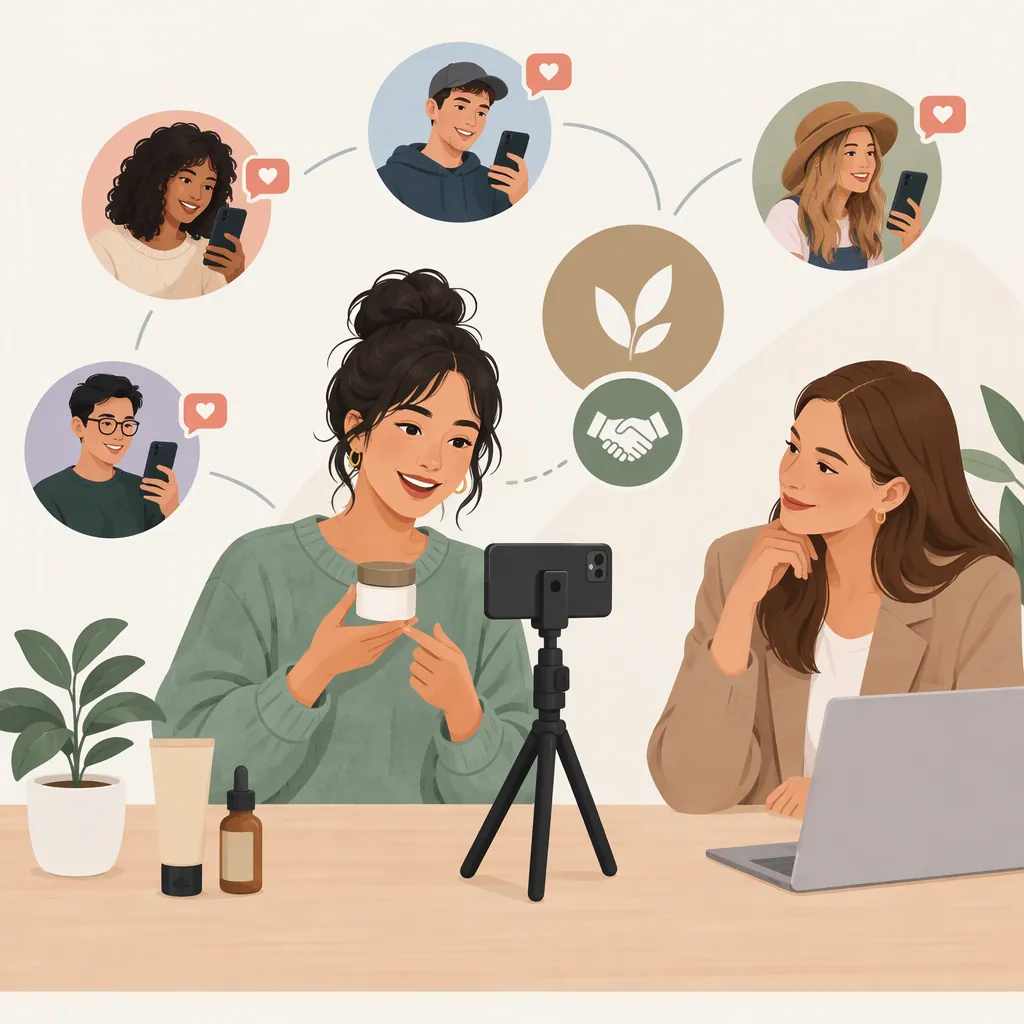
Brands That Work with Micro Influencers: Opportunities for Small Creators
Audible, Coca-Cola, Gillette, Meller, Sephora, Daniel Wellington, and Glossier are among the brands reported to have worked with micro influencers. Treat these names as research leads, not a list of currently open or guaranteed paid opportunities: the provided sources are third-party articles, not current brand application pages. For a small creator, the practical next step is to verify each opportunity and demonstrate audience fit with relevant content and clearly labeled performance evidence. [src_1] [src_2] [src_3]
Reported Brands and Collaboration Examples
The examples below summarize what the provided articles report. They do not establish current recruitment, eligibility, compensation, or an official contact route. None of the supplied references is a brand-owned application page.
| Brand | Collaboration described by the source | Possible angle to investigate—not a verified opening |
|---|---|---|
| Audible | Influencity describes an Instagram collaboration with Jesse Driftwood involving running and audiobook listening. [src_1] | Reading recommendations or listening routines that fit your existing content. |
| Coca-Cola | Influencity describes creator collaborations across travel, food, sports, and fashion; SocialLadder also discusses its ambassador activity. [src_1] [src_2] | A clearly defined lifestyle context rather than a generic product placement. |
| Gillette | Influencity describes beauty micro influencers creating everyday-setting content for the Venus line. [src_1] | Relevant grooming or beauty content with a specific audience focus. |
| Meller | Influencity reports regular micro-influencer collaborations for the sunglasses brand. [src_1] | Styling or eyewear content consistent with your portfolio. |
| Sephora | Influencity describes the #SephoraSquad beauty influencer program. [src_1] | Beauty education or review content; verify current program rules separately. |
| Daniel Wellington | SocialLadder describes micro-influencer partnerships and benefits such as commissions, gift cards, and discounts. [src_2] | Watch or jewelry styling, with careful review of the compensation model. |
| Glossier | UGC Factory describes PR packages and creator content such as unboxings and skincare tutorials. [src_3] | Beauty routines or tutorials, while distinguishing product gifting from paid work. |
These examples are useful for identifying categories and content formats. They are not evidence that the same brands will accept a particular creator, fund a proposed campaign, or offer the same terms today.
Follower Count Is a Starting Point, Not Proof of Value
The sources use different definitions of a micro influencer. SocialLadder gives a range of 10,000–50,000 followers, while Influencity uses approximately 10,000–100,000. These are editorial classifications, not universal brand eligibility rules. [src_1] [src_2]
If your following falls below those ranges, avoid assuming that every opportunity is closed to you—or that a program accepts you. Check the actual requirements for the specific opportunity.
A practical value case should answer four questions:
- Audience fit: Which interests, locations, or needs does your audience share with the proposed campaign?
- Content fit: Which existing pieces show that you can explain or demonstrate the category clearly?
- Evidence: What do your own platform analytics show, and over what period?
- Delivery: What can you realistically produce, on which channel, and by what date?
Treat these as a pitch checklist, not a guarantee of selection. Avoid promising sales, engagement, or reach that you cannot substantiate.
Turn Brand Names into a Verified Shortlist
Use the reported brands as starting points, then separate historical examples from opportunities you can verify now.
- Start with relevance. Shortlist brands whose category fits content you already make. Do not imply that you use a product if you have not used it.
- Check official channels. Look for a current creator, affiliate, ambassador, or partnership page on the brand's own website or verified account.
- Record eligibility. Note location, age, platform, audience requirements, application dates, and any category restrictions. Mark missing information as unknown.
- Identify the offer. Establish whether it involves money, products, commission, or a combination. Do not infer a posting fee from the word “collaboration.”
- Verify the contact route. Prefer a route published by the brand. An address or form appearing only in an old third-party list needs further confirmation.
- Check the requested terms. Clarify deliverables, deadlines, payment timing, content reuse, paid advertising permissions, and exclusivity before agreeing.
Keep an opportunity unverified until you have evidence for its current status. A past campaign is not a current invitation.
Opportunity Verification Worksheet
Brand: [name]
Category and audience fit: [specific reason]
Historical reference: [source and reported activity]
Official opportunity page or verified account: [URL or not found]
Date checked: [date]
Current application status: [open / closed / unclear]
Eligibility: [requirements or unknown]
Compensation: [fee / products / commission / mixed / unknown]
Deliverables and deadlines: [details or unknown]
Usage rights and exclusivity: [details or unknown]
Verified contact route: [route or not found]
Next research step: [unresolved question]
Separate Paid Work from Other Collaboration Models
Do not treat every creator program as the same kind of deal. SocialLadder's Daniel Wellington example mentions commissions and noncash benefits, while UGC Factory's Glossier example describes PR packages. Neither description establishes a guaranteed posting fee. [src_2] [src_3]
Use the following distinctions when reviewing an offer:
| Model | What to clarify |
|---|---|
| Paid sponsored content | Fee, deliverables, posting schedule, payment date, and reporting expectations. |
| Product gifting or PR | Whether posting is required, whether any fee is included, and who covers shipping or other costs. |
| Affiliate arrangement | Commission terms, qualifying purchases, attribution rules, payout timing, and any required content. |
| Ambassador program | Duration, recurring tasks, compensation mix, exclusivity, and exit terms. |
| Content production for brand use | Production fee, whether you must post, permitted reuse, advertising rights, and license duration. |
Program labels alone do not settle these questions. Evaluate the written terms and estimate the total work involved before deciding whether an offer fits your goals.
Build a Small, Credible Evidence Pack
A concise evidence pack can make your proposal easier to evaluate without inflating your experience. Include a short audience description, two or three relevant content examples, and analytics you can substantiate.
For each performance measure, label the platform, date range, and measurement method. If you report an engagement rate, state the denominator and interactions included. Keep views, reach, clicks, and purchases separate; do not describe one as proof of another.
If you have no previous brand deals, use relevant organic content. Label a proposed campaign as a concept, not a completed collaboration. Do not invent customer results, testimonials, or a brand relationship.
The strongest practical pitch is specific about the proposed work and modest about what the evidence proves.
Creator Value Summary Template
Content niche: [specific topic]
Audience relevance: [supported description]
Relevant examples: [links to your own work]
Performance evidence: [metric, platform, date range, and method]
Experience status: [organic content / completed paid work / concept only]
Proposed concept: [one clear idea]
Deliverables: [format, quantity, channel, and timeline]
Compensation proposal: [fee or terms to discuss]
Rights to discuss: [organic reuse, paid advertising, duration, and exclusivity]
Evidence limitations: [what is unknown or not measured]
FAQ
Which Brands Have Reportedly Worked with Micro Influencers?
The supplied articles name Audible, Coca-Cola, Gillette, Meller, Sephora, Daniel Wellington, and Glossier, among others. These are third-party reports of collaboration activity, not verification of current openings or paid offers. [src_1] [src_2] [src_3]
Can I Apply with Fewer than 10,000 Followers?
Check the specific program's eligibility rather than relying on the micro-influencer label. The supplied sources start their micro-influencer ranges at 10,000 followers, but those classifications do not establish any individual brand's application rules. [src_1] [src_2]
Does a Micro-Influencer Collaboration Always Include Payment?
Do not assume a posting fee. The supplied examples include commissions, gift cards, discounts, and PR packages. Ask for written compensation and deliverable terms before treating an opportunity as paid work. [src_2] [src_3]
Are These Brands Currently Accepting Applications?
The supplied references do not establish current application status. They are third-party articles, not current brand-owned recruitment pages. Treat each name as a research lead and verify availability, eligibility, and terms through an official channel. [src_1] [src_2] [src_3]