How to Choose Target Products for Affiliate Content
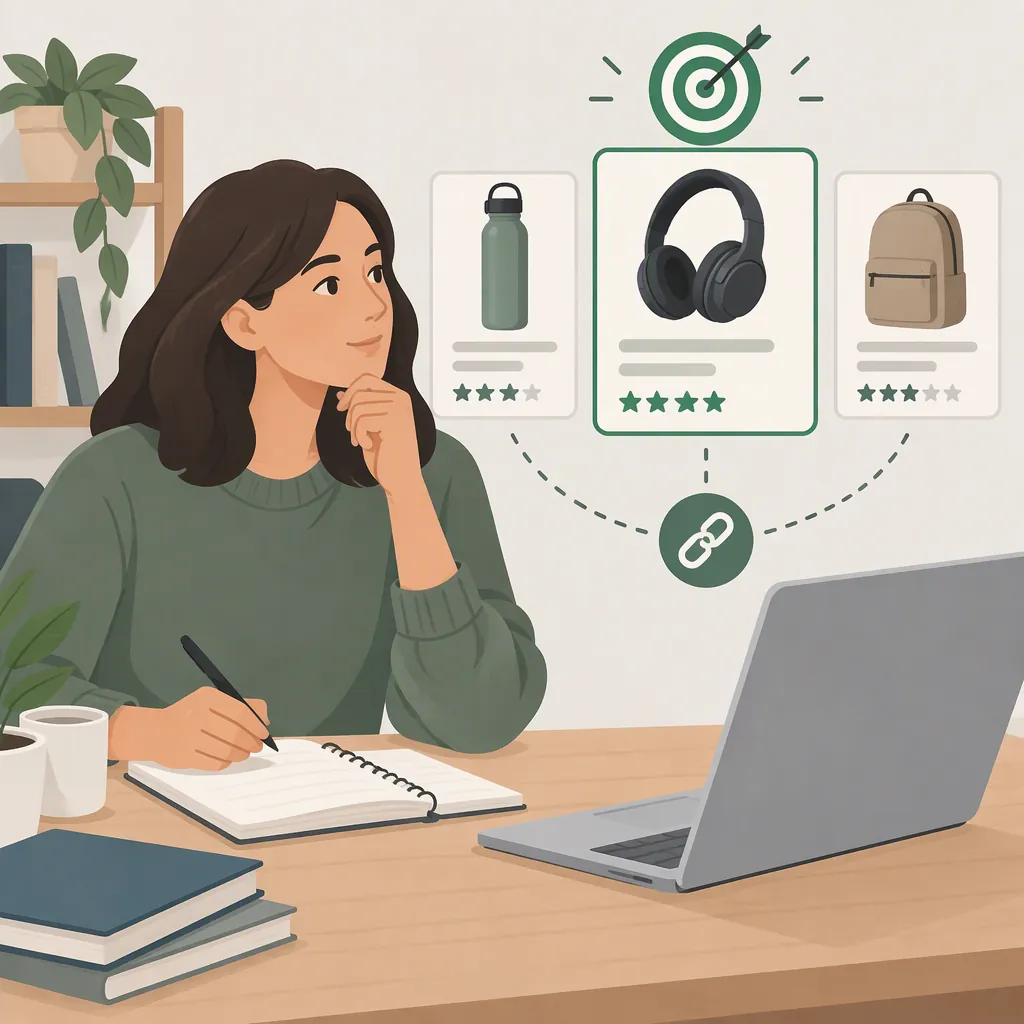
Choose Target products only after verifying that your affiliate arrangement currently supports them. Then prioritize audience relevance, verifiable product details, and a useful comparison or explanation—not an assumed commission rate or bestseller label. Program status needs particular care: Affiverse reported in April 2026 that Target closed its Creator program, while the supplied ShopYourLikes article describes a separate platform-based affiliate route in December 2024. Neither source establishes current product eligibility or terms for your account. [c1] [c2]
Separate Program Status from Product Selection
A product being available at Target is not enough evidence that it is eligible for commission under a particular arrangement.
Affiverse’s April 22, 2026 article reports, citing Ad Age, that Target shut down its dedicated Creator program. This is secondary reporting, not a supplied Target announcement or current program agreement. It should not be treated as proof that every Target affiliate route has closed. [c1]
ShopYourLikes’ December 10, 2024 article describes creators sharing Target links through its platform. That historical description does not establish present-day access, rates, exclusions, or tracking rules. [c2]
Before evaluating products, verify the arrangement available to you, its current terms, permitted publishing channels, and any excluded categories. If eligibility remains unclear, keep the product on a research list rather than describe it as commission-eligible.
Build a Shortlist Around Audience Questions
The ShopYourLikes article includes examples involving apparel, home decor, children’s products, cleaning products, and kitchen or household items. These are historical content examples—not a verified list of currently eligible categories or evidence of typical earnings. [c2]
Use categories as starting points for research:
| Content Focus | Candidate Products to Investigate | Questions the Content Could Answer |
|---|---|---|
| Clothing | Apparel relevant to a specific occasion | What are the listed measurements, materials, and care instructions? |
| Home Organization | Storage or decor items | What are the dimensions, and what space would they fit? |
| Kitchen | Tools or household accessories | What task does the item address, and what specifications matter? |
| Family Activities | Age-labeled toys or activity materials | What age guidance and warnings does the listing provide? |
| Cleaning | Cleaning tools or supplies | What uses and limitations appear in the manufacturer’s instructions? |
These are editorial prompts, not product endorsements. A useful candidate should answer a specific reader question without requiring unsupported quality, safety, or performance claims.
Evaluate Each Product Before Including It
Use a verification-first checklist rather than ranking products solely by price or a promotional label. The following is a suggested editorial workflow, not a Target program requirement.
- Confirm eligibility. Record the applicable arrangement and where current eligibility was checked.
- Define audience relevance. Write the exact question this product helps explain.
- Gather evidence. Record product specifications and their sources. Separate listing information from any genuinely firsthand observations.
- Check practical details. Confirm the exact variant, displayed price, availability, and date checked. Do not present a temporary price as permanent.
- Identify limitations. Note missing specifications, uncertain suitability, or details that prevent a fair comparison.
- Plan transparent presentation. Clearly identify any commission relationship and avoid implying personal use that did not occur.
Do not let a strong audience match override unresolved eligibility or evidence gaps.
Product Evaluation Worksheet
Product and exact variant: _____
Audience question: _____
Affiliate arrangement: _____
Eligibility evidence and date checked: _____
Product-detail sources: _____
Price and availability check date: _____
Relevant specifications: _____
Known limitations or missing information: _____
Content format and comparison criteria: _____
Commission disclosure wording, if applicable: _____
Decision: Include / Hold for verification / Exclude
Reason for decision: _____
Compare Usefulness Without Promising Results
For products that pass verification, compare how clearly each supports the planned content. Prefer candidates with relevant specifications, meaningful differences to explain, and limitations that can be stated plainly.
If account-level reporting is available, use your own results to evaluate the content rather than borrowing another creator’s outcome. Distinguish clicks, attributed purchases, and confirmed commissions instead of treating them as interchangeable.
The supplied references do not establish current commission rates, attribution windows, category exclusions, or a dependable list of best-performing Target products. The older ShopYourLikes article contains promotional performance and commission claims, but those claims are not a basis for current earnings projections. [c2]
Recheck eligibility and product details when revisiting content. If evidence no longer supports a statement, revise or remove it rather than preserving an outdated recommendation.
FAQ
Is Target’s Creator Program Still Available?
Affiverse reported in April 2026 that Target had shut down its Creator program. The supplied evidence is secondary reporting and does not confirm the status of every affiliate arrangement involving Target. Verify the specific route you intend to use before treating products as eligible. [c1]
Which Target Product Categories Should I Consider?
Start with categories that fit your existing content and reader questions. The historical ShopYourLikes article includes apparel, home decor, children’s products, cleaning products, and kitchen or household items, but it does not establish current category eligibility or typical results. [c2]
Can I Assume a Commission Rate from the Shopyourlikes Article?
No. Its commission statements appear in a December 2024 promotional article. They are not confirmation of current rates, exclusions, or attribution rules for your account. Use verified current terms rather than that article to assess potential compensation. [c2]