Velcro Hook-And-Loop Video: How the Fastener Works
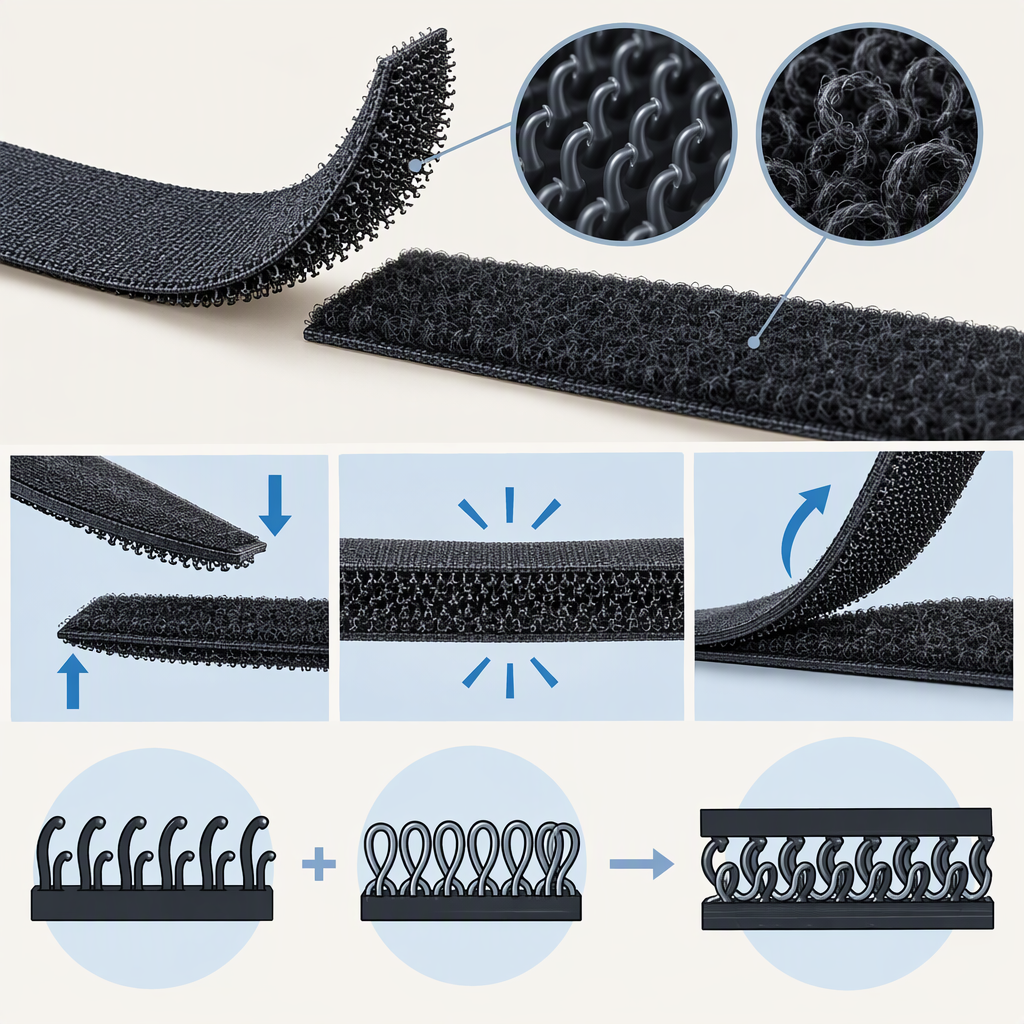
If you’re searching for a “velcro hook and loop video,” this guide is about the physical fastener—not a digital video that repeats. A hook-and-loop fastener has two sides: one with small hooks and one with loops. Press the sides together and the hooks catch the loops; pull them apart and the catches release. (velcro.com)
Watch a Close-Up Explanation
How Velcro Works, an Up-Close Look is listed by The Kid Should See This as a four-minute macro video showing how the fastener works. Its description says the hooks and loops attach when pressed together and can be peeled apart. Use it to see the basic action; for a written explanation of the mechanism, the American Chemical Society describes how the hooks catch the loops and detach when pulled. (thekidshouldseethis.com)
What the Video Should Make Clear
- The two sides: One surface carries hooks; the other carries loops. The hooks are more rigid than the flexible loops, according to the American Chemical Society. (acs.org)
- The fastening action: When the surfaces are pressed together, hooks catch loops at many points, joining the sides. (velcro.com)
- The release: Pulling the surfaces apart lets the loops detach from the hooks. Watching a close-up can make that small-scale action easier to notice. (acs.org)
A useful way to follow the demonstration is to compare the two separate surfaces first, then watch what changes when they meet and when they are pulled apart. The key idea is simple: many small hook-and-loop catches make the fastening action visible at the level of the material, rather than through a separate clasp or lock. (velcro.com)
In Brief
Hook-and-loop fasteners close when hooks catch loops and open when those connections release. A close-up video can help show the action; the American Chemical Society provides a concise text explanation if you want to confirm what you’re seeing. (acs.org)