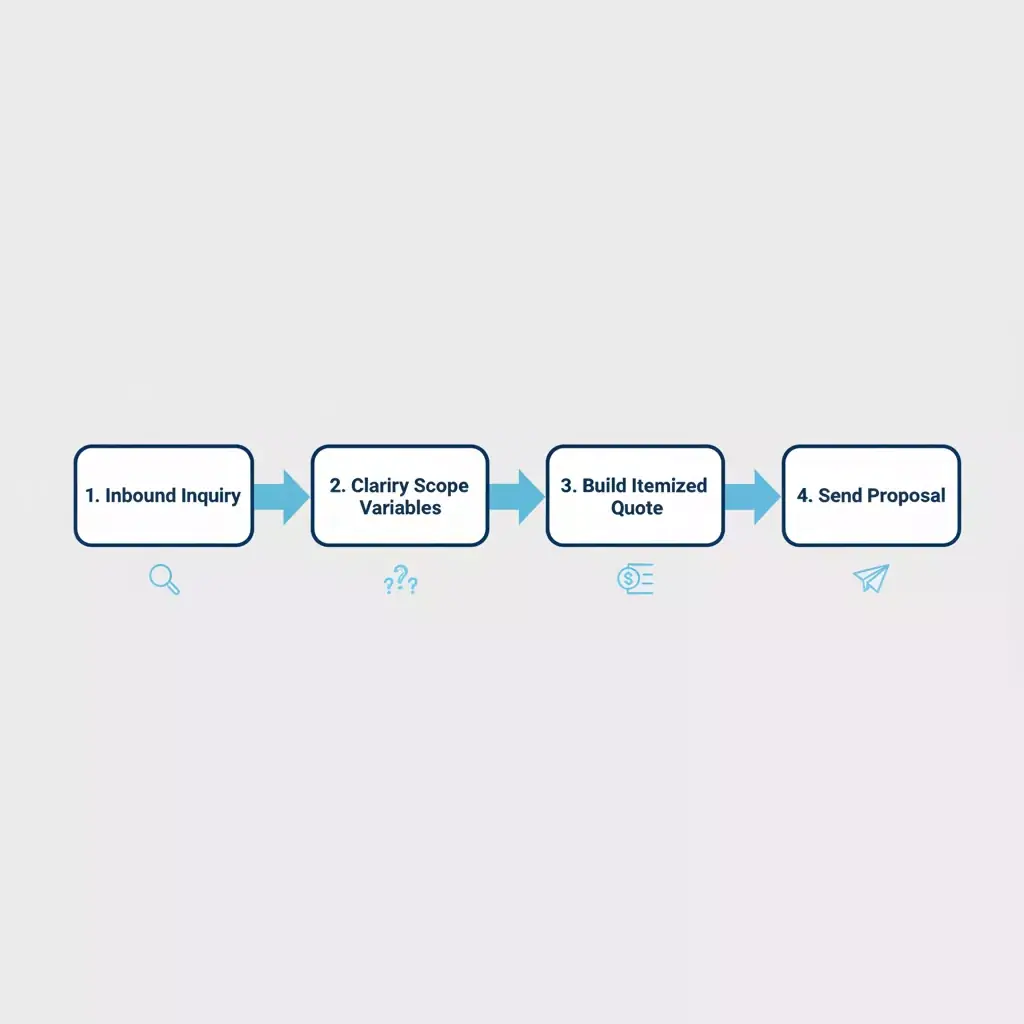
How to Turn a YouTube Shorts Brand Inquiry into a Paid Sponsorship Quote
Got an inbound DM or email from a brand manager asking for your YouTube Shorts rates? Don't just throw out a single flat number.
To turn an inbound YouTube Shorts brand inquiry into a paid sponsorship quote, confirm 5 core scope variables first:
- Deliverables: The total number of Shorts requested.
- Integration Style: A dedicated 60-second Short vs. a 15-second seamless mention.
- Usage Rights: Standard organic channel posting vs. paid ad licensing.
- Revision Limits: Strict caps on script and visual edit rounds.
- Timeline: Draft deadlines, approval turnarounds, and posting dates.
Once you clarify these variables, send an itemized quote that separates your base creative fee from usage licensing and add-ons.
This simple structure protects your video production timeline and helps you land paid deals faster without suffering from scope creep.
How to Respond to an Inbound YouTube Shorts Inquiry
When a brand manager drops into your inbox asking for your "rates," your initial instinct might be to reply with a single dollar amount.
Don't do that.
Quoting a flat fee right away opens the door to scope creep, extra edit demands, and uncompensated ad usage. Instead, treat an inbound inquiry as an open dialogue. Your goal is to gather project requirements before putting a price tag on your work.
The 5 Essential Details to Clarify Before Quoting
Before calculating a quote, you need to understand the exact scope of the request. Ask the brand manager to confirm these key elements:
- Deliverable count: Exactly how many YouTube Shorts are they looking for?
- Integration type: Is this a full 60-second dedicated spotlight or a 15-second product mention?
- usage rights: Will the video only live organically on your YouTube channel, or does the brand plan to run it as a paid ad?
- Revision policy: How many rounds of feedback are included before extra editing fees kick in?
- Campaign timeline: When is the initial script draft due, and what is the target posting date?
Gathering these details ensures you don't accidentally charge organic rates for a heavy commercial ad campaign.
Email Template for Gathering Scope Details
If a brand sends a vague initial message, reply with a quick scope clarification template:
Sample Reply Template:
"Hi [Brand Manager Name],
Thanks for reaching out! I'd love to explore a potential collaboration with [Brand Name].
To help me put together an accurate proposal, could you quickly confirm a few details?
- How many YouTube Shorts are you requesting?
- Are you looking for a dedicated Short or a seamless 15-second integration?
- Do you require paid ad usage rights, or organic channel posting only?
- What is your ideal launch timeline?
Once I have these details, I'll send over an itemized proposal for your team to review!"
Structuring Deliverables and Placement Rules
Not all YouTube Shorts sponsorships are built the same. Clear deliverable rules protect your creative workflow and setting expectations early prevents misunderstandings later.
Dedicated Shorts Vs. Integrated Brand Mentions
A dedicated Short focuses entirely on the brand's product or service for the full agreed duration (for example, 60 seconds). Because dedicated videos feel more like commercial spots, creators typically charge higher base rates for them.
An integrated Short features the brand as a 10-to-15-second segment within your standard content style (like a routine, tutorial, or vlog).
Integrated Shorts usually feel more natural to viewers and keep your retention rates high. Make sure your contract explicitly states which format you are providing.
Call-To-Action, Pinned Comments, and Description Links
Don't forget to spell out where promotional links and tags will appear.
Specify whether the deal includes:
- A verbal call-to-action (CTA) in the audio track.
- An onscreen text overlay pointing to your bio or description.
- A tracked link placed in the pinned comment and channel bio.
Defining these deliverables upfront ensures the brand manager knows exactly what visibility their campaign receives.
Defining Usage Rights, Exclusivity, and Revision Scope
Licensing and revisions can double or triple the actual value of a brand deal. If you don't charge for extended rights, you leave revenue on the table.
Standard Organic Posting Vs. Paid Ad Licensing
Standard sponsorship rates only cover posting the video to your organic channel feed. If a brand wants to use your video as a paid ad, charge an extra licensing fee.
Clarify the exact ad permission in the contract. YouTube brand partner access can let an approved brand promote an eligible creator video; any paid use of your content should have an agreed scope, duration, and fee. If the brand wants a separate ad version or use beyond your channel, quote that license separately. Set a clear end date and price any extension before it starts.
Setting Strict Limits on Revision Rounds
Limit feedback rounds in writing before production starts. A standard package should include:
- One script review: The brand approves the concept, talking points, and visual outline.
- One minor video edit: Small adjustments to audio balance, color tweaks, or text overlays.
State clearly that major concept overhauls or additional edit rounds after script approval will incur an extra hourly fee.
Building a Transparent Line-Item Sponsorship Quote
Never send a single lump-sum invoice figure. Grouping your pricing into explicit line items helps brand managers see the concrete value of your services.
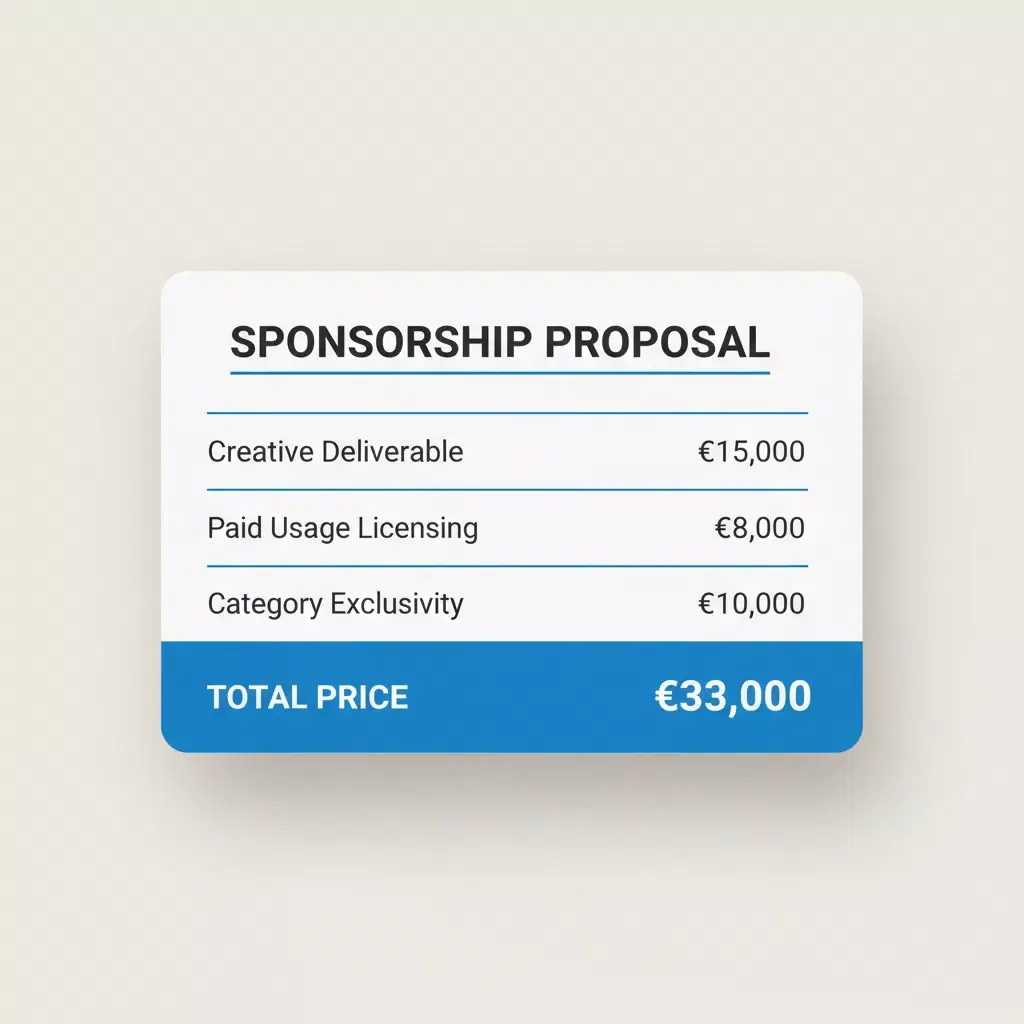
Sample Quote Structure: Illustrative Rate Breakdown
Here is an example of an itemized line-item quote for a YouTube Shorts campaign:
| Item Description | Scope Details | Fee (USD) |
|---|---|---|
| Base Creative & Organic Deliverable | 1x Dedicated YouTube Short (60s) + Pinned Comment Link | $1,000 |
| Paid Usage Licensing | 30-Day Digital Ad Rights (Meta & YouTube Ads) | $350 |
| Category Exclusivity | 30-Day Exclusivity (No competing skincare brands) | $200 |
| Rush Delivery Add-on | Fast-track 3-day draft turnaround | $150 |
| Total Investment | Full Campaign Package | $1,700 |
Note: The rates listed above are illustrative examples to show formatting structure.
Breakdowns like this make negotiations easier. If a brand manager says, "We only have a $1,000 budget," you don't have to discount your overall work. You simply remove the 30-day ad usage rights and rush turnaround to match their budget.
Presenting the Quote and Setting Offer Expiration Dates
Always include a formal expiration date on your proposal (typically 14 calendar days from sending).
Setting a deadline creates urgency, prevents brands from accepting an outdated quote six months later when your view counts have increased, and helps keep your schedule organized.
Takeaway: Always include an explicit expiration clause at the bottom of your quote: "This offer and pricing breakdown is valid for 14 days from [Date]. Availability and rates subject to re-confirmation after expiration."
Summary: Turning Brand Inquiries into Signed Deals
To lock in sponsorships smoothly, follow this step-by-step approach when answering brand inquiries:
- Qualify the inquiry: Clarify content counts, placement types, ad usage rights, and deadlines.
- Set scope boundaries: Define exact revision limits, link placements, and CTA rules upfront.
- Deliver an itemized quote: Separate base production fees from licensing and add-ons.
- Protect your pricing: Attach a 14-day expiration window to every quote you send out.
For a broader rate framework, see Creator Sponsorship Rates and Pricing.
FAQ
What Should I Do If a Brand Refuses to Pay for Paid Ad Usage Rights?
If a brand declines the paid usage licensing line item, keep the rights restricted strictly to organic channel posting in your contract. Ensure the contract explicitly states they cannot re-upload or use the video in paid marketing campaigns.
How Long Should I Give Brands to Accept a Sponsorship Quote?
A standard expiration window for a sponsorship proposal is 14 days. This gives brand managers enough time to get budget approvals while preventing them from locking in your rates months later if your channel growth increases your market value.