A Sponsored Post Underperformed: How to Report Results and Propose a Better Follow-Up
A sponsored post underperformed. Now what?
Most creators panic, delay their reporting email, or try to gloss over low view counts. But avoiding the numbers is the fastest way to lose a brand partner.
Here is the truth: an underperforming sponsored post does not have to end the partnership.
When a post misses reach targets, you can protect the relationship by sending an honest recap after a 7-to-14 day measurement window, highlighting secondary value signals (like saves and audience sentiment), and pitching a data-backed follow-up concept.
Here is the game plan for handling underperforming content:
- Use platform-specific tracking windows: Agree on a reporting date with the brand, and label early metrics as preliminary. Match the reporting period to the campaign and the platform data available.
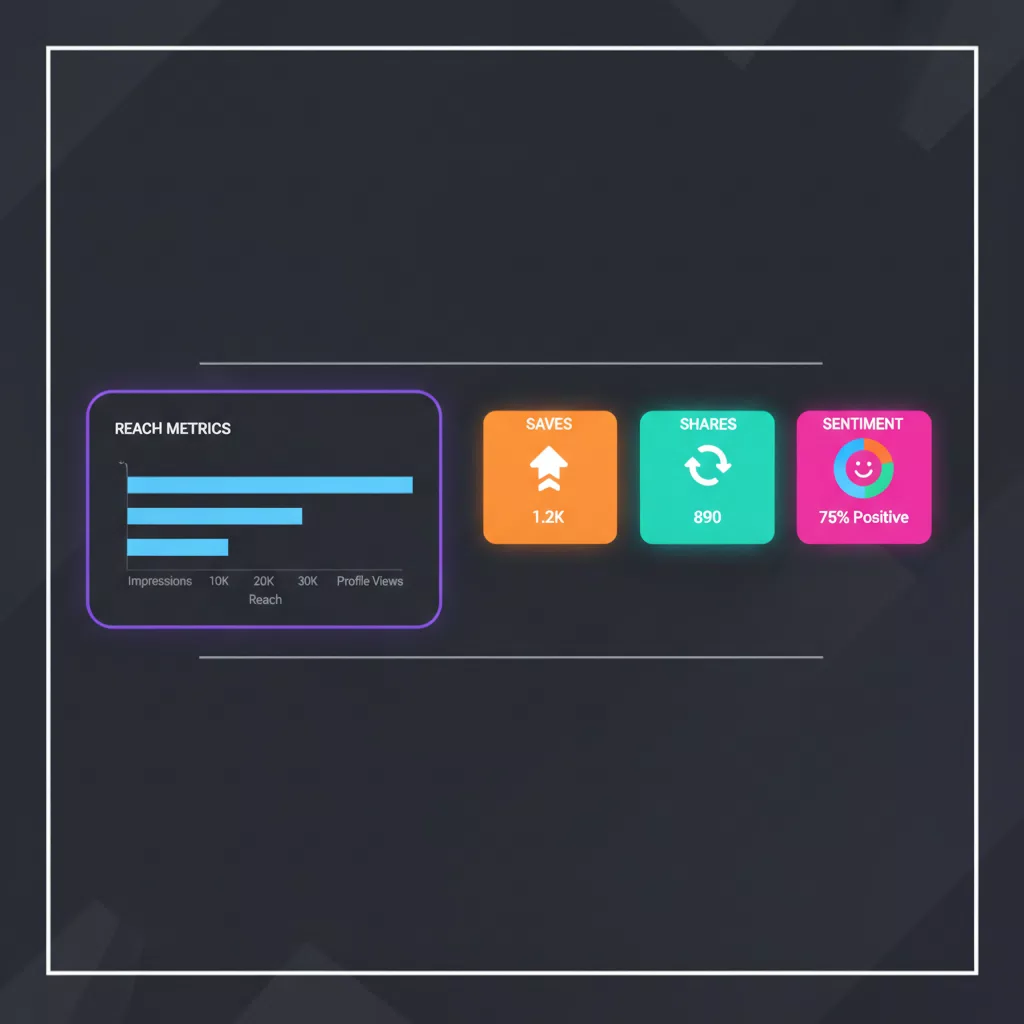
- Highlight qualitative win signals: Document high save rates, specific comment inquiries, and brand sentiment to demonstrate strong audience fit despite low reach.
- Offer a data-backed solution: Suggest a revised creative concept or a separately priced follow-up asset, based on what the campaign data actually shows.
Let's break down how to diagnose your metrics, draft a transparent recap report, and turn a weak post into a long-term brand deal.
Setting the Measurement Window and Gathering Post-Campaign Data
When a sponsored post misses its expected target, panicking on day two is the worst reaction. Pulling analytics too early creates an incomplete picture, especially when platform algorithms take days to index and distribute content.
Establishing a strict reporting timeframe ensures you capture latent reach and full conversion paths before sharing metrics with your sponsor.
Defining Platform-Specific Measurement Windows
Different content formats require different tracking timelines. A story post expires quickly, while a YouTube video can generate traffic for months.
Here is a breakdown of standard tracking windows across major formats:
| Content Format | Recommended Measurement Window | Why You Should Wait |
|---|---|---|
| Instagram Stories | 24–48 Hours | Capture full story cycle and lingering link taps before archive. |
| TikTok / Instagram Reels | 7–10 Days | Check the campaign’s agreed reporting period and available post analytics. |
| YouTube Long-Form | 14–30 Days | Long-form viewing can continue after launch; use a date agreed with the brand. |
| Blog / Web Articles | 30–60 Days | Set a reporting date that fits the article’s publication and search performance data. |
Later reporting can include additional views and shares. If a brand needs an earlier update, label it as an interim snapshot.
Reporting Incomplete Metrics and Delayed Conversions
Brands often request updates 24 hours after a post goes live. If reach looks low, do not hide. Acknowledge the post status while setting expectations for the final reporting date.
Example Interim Communication: "Our initial 24-hour reach is currently at 15,000 impressions (against our 50,000 baseline goal for an illustrative campaign). I am monitoring engagement and will deliver the next report on the date we agreed. I will separate confirmed conversion figures from platform engagement metrics."
This simple update establishes professionalism and buys the time needed for conversion tracking to catch up.
Structuring an Honest Performance Recap with Secondary Value Signals
When standard reach metrics underperform, your recap must shift focus to depth of engagement and audience intent.
Extracting Audience Feedback and Sentiment Analysis
View counts only measure eyeball exposure. They do not measure buyer interest.
Look deeper into your analytics dashboard to pull high-intent metrics:
- Bookmark & Save Rates: High saves indicate viewers found the product valuable enough to return later.
- Direct Message Inquiries: Screenshot non-sensitive DMs asking specific questions about the product.
- Comment Intent: Group comments into clear categories like Purchase Intent ("Just ordered!") or Product Curiosity ("Does this work on sensitive skin?").
These qualitative signals can help the brand evaluate audience fit, even when reach is lower than expected.
Reframing Organic Low Reach into Paid Ad Opportunities
If an organic video had low reach but comments showing interest, consider testing a different opening before attributing the result to platform distribution.
Offer to grant the brand access to run paid media through your handle via whitelisting. This turns a weak organic asset into a valuable paid ad candidate.
Keep platform terminology distinct when pitching options to the sponsor:
- Instagram Partnership Ads: Allows brands to amplify your creator post with explicit partner labeling.
- TikTok Spark Ads: Uses your organic TikTok video code to run ad campaigns directly from your handle.
- YouTube Creator Partnerships: Enables brands to link your video directly into Google Ads campaigns for broader reach.
Diagnosing Underperformance Causes to Inform the Follow-Up
Before proposing solutions, you must isolate why the post fell short. Brands respect creators who analyze content dispassionately.
Common causes of underperformance fall into three categories:
- Overly Restrictive Guidelines: The sponsor required a rigid, corporate script that killed the opening hook.
- Suboptimal Timing or Trends: Publishing during major holiday weekends or competing against viral news events suppressed organic reach.
- Mismatched Content Format: A direct product pitch was used where a practical problem-solution tutorial was needed.
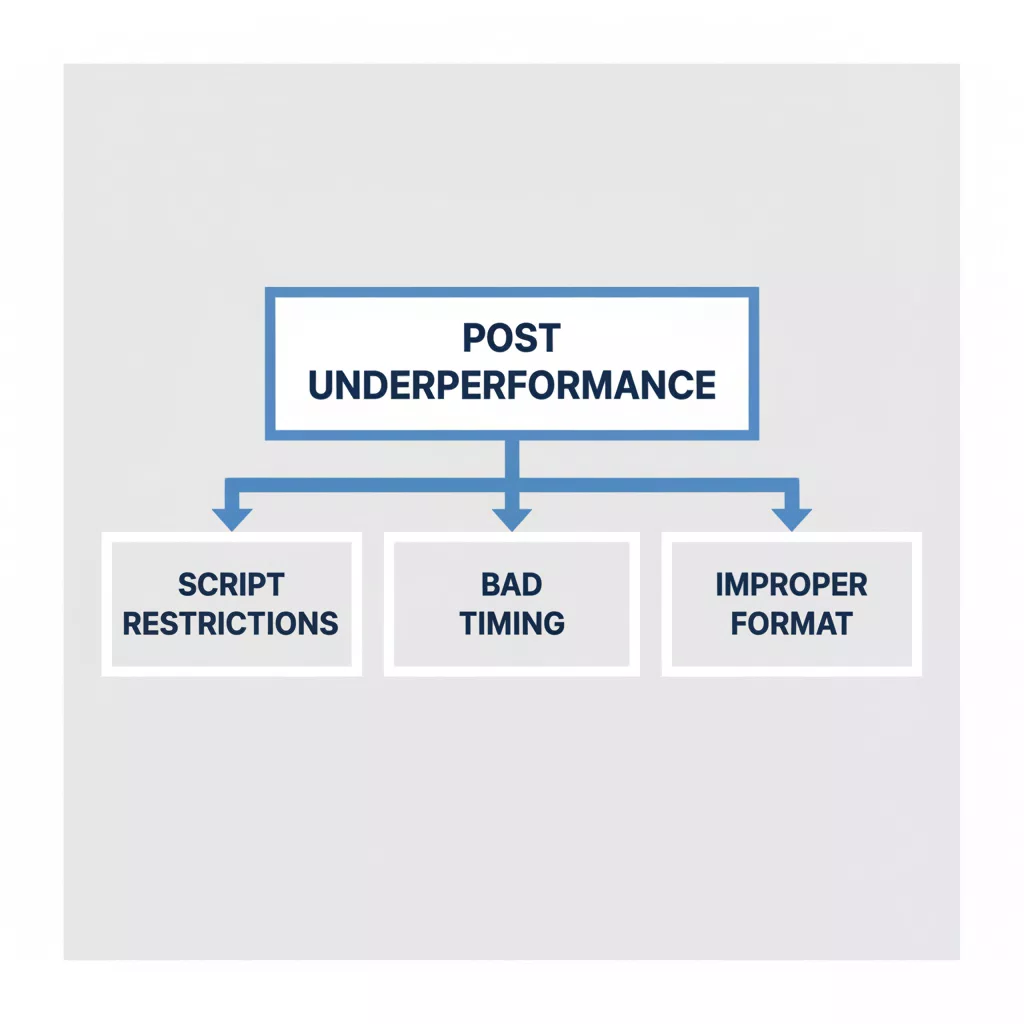
Identifying the exact bottleneck prevents you from repeating the same creative mistakes on the next deliverable.
Crafting a Data-Backed Follow-Up and Renewal Proposal
Once the diagnosis is complete, pitch a strategic follow-up instead of offering an uncompensated freebie.
Adjusting Content Formats and Creative Hooks
Use your audience data to justify a format change. If a direct brand pitch reel hit only 15,000 impressions, propose swapping the format to a storytelling narrative or broad niche roundup.
Show the brand how a fresh creative angle solves the hook problem identified in the first post.
Structuring Discounted Rates, Bundles, and Contract Terms
Never work completely for free to compensate for algorithmic variance. Instead, propose a balanced, discounted "make-good" asset that preserves your commercial baseline.
Consider an illustrative campaign scenario: Your initial contract was $1,000 for a single Reel that reached 15,000 views instead of the anticipated 50,000. Offer a second Reel featuring a revised hook strategy with an illustrative 30% rate adjustment ($700 fee), provided the brand gives you full creative freedom over the opening three seconds.
Example Proposal Wording: "While our initial post achieved strong save metrics, organic reach fell short of our illustrative 50,000 view benchmark due to the rigid opening script. I propose a follow-up Reel with a different opening. Let us agree on the new scope, fee, and usage rights before production."
A separately scoped follow-up lets both sides decide whether the new idea is worth funding.
Key Takeaways for Turning Underperformance into Long-Term Partnerships
Handling an underperforming campaign with transparency sets high-performing creators apart from amateurs.
- Wait out the full window: Track assets across their full platform lifecycle before drawing conclusions.
- Focus on business impact: Highlight save rates, comments showing buying intent, and click-throughs alongside view counts.
- Pitch data-driven solutions: Diagnose the content failure objectively and offer structured follow-up terms.
Using smart business practices and analytics tools like CreaSeed makes it simple to analyze your true account valuation, organize historical campaign metrics, and pitch follow-up deals professionally—ensuring an underperforming post becomes the foundation for a stronger long-term brand relationship.
FAQ
Should I Offer a Free Post If My Sponsored Content Underperforms?
Generally, no. Organic social reach fluctuates due to algorithm changes outside your control. Instead of free work, offer a discounted follow-up asset or suggest converting the existing asset into paid ad usage.
How Long Should I Wait Before Sending a Sponsor Recap Report?
Wait 7 to 10 days for short-form video (Reels and TikToks) and 14 to 30 days for long-form YouTube videos to capture delayed algorithmic reach and attribution data.