A Brand Reached Out to Repost Your Published YouTube Video on Their Website and Socials: How to Quote Organic Rights Separately from Paid Ads
When a brand asks to re-share your published YouTube video on their website and social channels, never bundle organic reposting and paid ad rights into a single flat fee.
To protect your content and maximize value, quote organic usage as a base fee and charge an additional, time-bound licensing fee for any paid ad usage.
Here is what you need to know upfront:
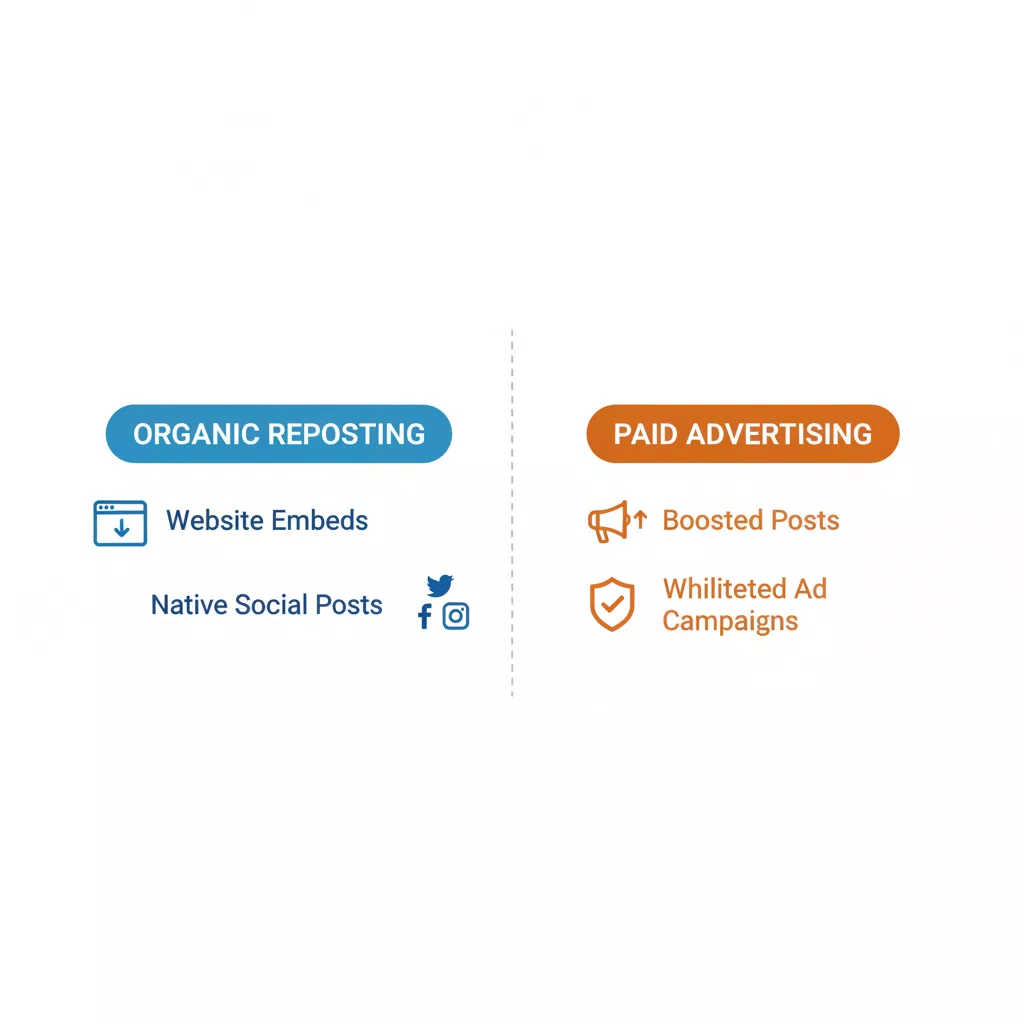
- Organic Reposting Rights: Covers embedding your YouTube video on brand landing pages and sharing native posts on official social feeds for a set term (for an illustrative example, a $500 base fee for 12 months).
- Paid Advertising Rights: Covers running your video or clips as paid ads, boosted posts, or whitelisted campaigns, which should always carry an additional recurring fee (for an illustrative example, $300 per 30-day period).
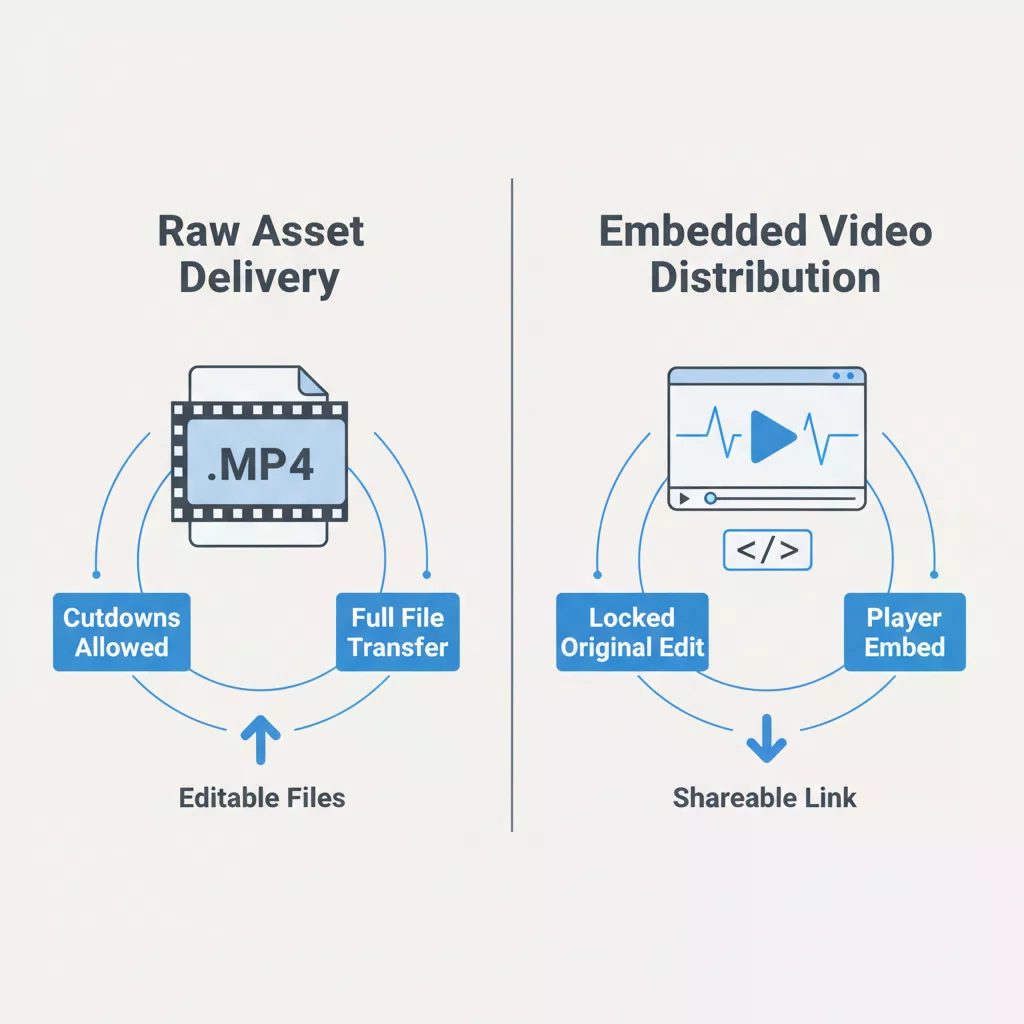
- Raw Asset Delivery: Charges added if the brand requires raw file transfers or custom cutdown edits rather than using standard embeds.
Quick Comparison: Organic Vs. Paid Usage
| Feature | Organic Reposting Rights | Paid Advertising Rights |
|---|---|---|
| Usage Scope | Website embeds & native social posts | Paid ad campaigns & whitelisting |
| Pricing Structure | Base flat fee for set duration | Time-bound add-on fee (30/60/90 days) |
| Commercial Impact | Passive audience reach | Active commercial scaling with ad spend |
| File Deliverables | Public embed code or re-shares | Raw video assets or custom edits |
Here is a step-by-step guide to calculating your rates, sending itemized quotes, and drafting contracts that prevent scope creep.
Understanding Organic Reposting Vs. Paid Advertising Rights
What Organic Reposting Covers (Website Embeds and Organic Feeds)
When a brand asks to repost your published YouTube content, they usually mean two main things: embedding your official video on their website or uploading short clips to their own organic social channels.
Organic reposting gives the brand passive distribution. They are using your established video to build credibility or showcase product usage. Under a standard organic license, the brand can embed your YouTube video on their landing page or share a native post on their official social feeds. However, this permission does not allow them to use your video as a paid advertisement, put ad budget behind it, or alter the video's core message.
Why Paid Advertising Rights Require a Separate Licensing Fee
Paid ad rights are completely different from organic shares. When a brand runs your video as a paid ad, uses whitelisting, or launches targeted commercial campaigns, they are actively spending money to scale commercial returns.
Paid campaigns put your face and voice in front of targeted audiences who do not follow you. Because the brand is directly generating revenue from your likeness through ad spend, this commercial extension requires a separate, time-bound fee.
How to Structure Fees for Website Embeds, Organic Shares, and Paid Ads
Calculating the Base Organic License Fee
Your base fee covers organic distribution for a set duration. For example, consider an illustrative baseline rate of $500 for 12-month organic digital distribution.
This fee grants the brand non-exclusive rights to embed the public YouTube video on their site and re-share native posts across their verified social channels. It protects your work while giving the brand clear parameters.
Adding Paid Ad Usage Term Extensions
Never sell perpetual paid usage rights. Instead, charge a recurring, time-bound licensing fee for paid ads.
For instance, an illustrative add-on rate of $300 per 30-day period ensures that if the brand scales their ad budget behind your video, you receive continuous compensation. If they want to run the ad for 90 days, the paid ad licensing total would be $900 ($300 x 3).
| Fee Component | Coverage Scope | Illustrative Term | Illustrative Rate |
|---|---|---|---|
| Base Organic License | Website embeds & native social reposts | 12 Months | $500 |
| Paid Ad License Add-on | Boosted ads, whitelisted paid campaigns | 30 Days | $300 |
| Raw Asset Delivery | Unedited MP4 delivery & cutdown authorization | One-time per file | $200 |
| Paid Ad Term Extension | Extended ad usage beyond initial term | Additional 30 Days | $300 |
Pricing Raw Asset Delivery and Edit Limitations
If the brand asks for raw MP4 files or specific video edits instead of using standard YouTube embeds, charge an additional fee.
Providing raw files requires extra work, storage handling, and file delivery. For an illustrative scenario, charging a $200 asset delivery fee covers sending unedited files or granting rights to perform a simple cutdown for short-form feeds.
Key Contract Terms to Protect Rights and Exclusivity
Scope of Use and Platform Restrictions
Your agreement must clearly outline where the brand can distribute your video. List specific platform permissions so the brand cannot take a YouTube embed and run it on television or out-of-home digital displays without your consent.
Specify that organic rights apply only to the brand's official owned channels (such as their website and social accounts) and explicitly exclude paid ad manager accounts unless paid licensing fees are paid.
Edit Restrictions and Brand Modifications
Protect your brand identity by setting strict edit rules. Brands should not be allowed to strip your audio, remove watermarks, overlay competing sponsor logos, or edit your statements out of context.
Include a clause requiring any brand modifications to receive written approval before going live.
Renewal Options and Expiration Rules
Set concrete expiration dates for all usage rights. State clearly that once the agreed organic or paid term expires, the brand must take down native posts or stop active ad campaigns.
Provide an option to renew licensing terms annually or monthly at pre-negotiated rates to make extensions seamless for both parties.
How to Respond to Brand Requests with Itemized Quotes
Itemized Pitch Template for Brands
When a brand contacts you asking to re-use your video, respond with a professional itemized breakdown. This demonstrates business maturity and sets clear boundaries.
"Hi [Brand Name], thanks for reaching out! We are thrilled you loved the YouTube integration. Here is our itemized licensing breakdown for using the content:
- Base Organic Digital License (12 Months): $500 (Includes website embeds & native social shares)
- Paid Ad Usage Right (30 Days): $300 (Optional add-on for paid ad campaigns)
- Raw File Delivery Fee: $200 (Optional one-time fee for unedited MP4 files)
Please let me know which options fit your campaign goals, and I will send over the agreement!"
Handling Brand Pushback on Separate Usage Fees
Brands often push for all-inclusive perpetual paid rights at a base organic price. Stand firm and explain the commercial distinction clearly.
If a brand claims they only have budget for organic usage, remove paid ad rights and raw file delivery from the offer. Remind them that they can always add paid usage rights later if they decide to launch a paid ad campaign.
Final Checklist for Quoting Organic Vs. Paid Usage Rights
Before sending your quote or signing an agreement, verify these essential steps:
- Separate Organic and Paid Scope: Confirm that organic distribution and paid ad usage are quoted as distinct line items.
- Define Time Limits: Ensure every paid ad right has a clear start and end date (e.g., 30, 60, or 90 days).
- Specify File Deliverables: State whether you are providing embed code links or raw MP4 asset files.
- Include Edit Restrictions: Lock down rules against unauthorized voiceovers, cropping, or watermark removals.
- Set Renewal Terms: Outline pre-negotiated extension rates for easy contract renewals.