The Post-Sponsorship Follow-Up: How to Use Campaign Feedback to Negotiate Higher Rates for Repeat Deals
Want to turn a single brand sponsorship into a recurring revenue stream with higher rates?
Here is the bottom line: Wait 7 to 14 days post-publish to gather performance data, pair those numbers with qualitative audience feedback in a campaign recap, and pitch a multi-post renewal proposal with expanded scope before the brand reallocates its budget.
Most creators post a sponsored integration, send an invoice, and walk away. But top creators treat the end of a campaign as the foundation for their next negotiation.
Here is a quick breakdown of the post-sponsorship workflow:
- The Reporting Window: Wait 7 to 14 days after publishing for organic reach and long-tail views to stabilize.
- The Campaign Recap: Combine hard metrics (views, clicks, engagement) with qualitative audience signals (high-intent comments and product inquiries).
- The Upsell Scope: Package your deliverables into multi-video bundles or add-ons like paid usage rights while the campaign wins are fresh.
Let's walk through step-by-step how to build your recap, handle incomplete data, and negotiate higher rates for repeat deals.
Setting the Measurement Window and Structuring the Campaign Recap
Standardizing the 7-To-14 Day Reporting Window
Publishing a sponsored video is only the beginning. If you send a recap report 24 hours after posting, you leave money on the table.
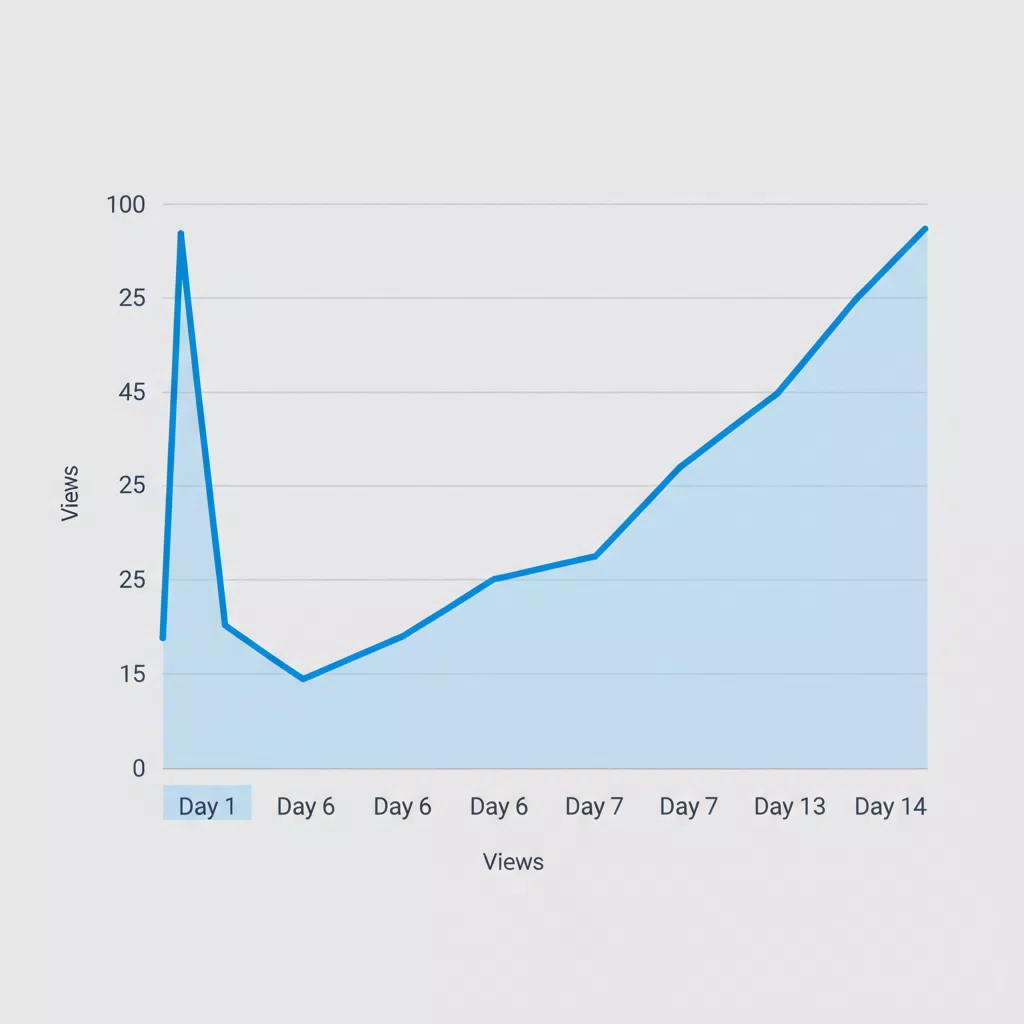
Short-form algorithms and video search indexing take time to process. Views and engagement continue to accumulate well past the launch day. Waiting 7 to 14 days gives organic reach and search impressions time to settle so you report the true, full value of the integration.
Handling Incomplete or Delayed Analytical Data
Brands want clear performance metrics, but affiliate dashboards and third-party tracking pixels often lag behind. Delayed conversion reporting happens when a brand's custom link tracking has an extended attribution window.
Do not delay your follow-up email while waiting for late conversion data. Send your performance recap at the 10-day mark with verified native platform metrics (views, watch time, impressions, and engagement rate). Include a note that conversion tracking remains open and will be updated in a follow-up summary.
Extracting Audience Feedback and Qualitative Brand Signals
Documenting High-Intent Audience Comments and Sentiment
Raw view counts show reach, but audience comments prove purchase intent. A post with 40,000 views and dozens of comments asking "Does this work with Mac?" or "Just ordered using your code!" is far more valuable to a sponsor than a video with 100,000 passive views.
Take screenshots of top-performing, high-intent audience comments. Group them into three core categories:
- Purchase Intent: Viewers stating they bought or plan to buy the product.
- Product Questions: Specific inquiries about functionality, sizing, or setup.
- Brand Alignment: Positive feedback about how naturally the sponsor fit your channel.
Package these screenshots directly into your performance recap presentation or email.
Sample Pitch Excerpt: "Our initial integration reached 85,000 views (170% of our original estimate), but more importantly, our audience showed immediate purchase intent. Attached are 12 audience comments from viewers who purchased or asked specific setup questions during week one."
Assessing Audience-Brand Alignment for Future Campaigns
Look closely at which video segment generated the highest retention. If viewers rewatched an unboxing portion or commented heavily on a specific feature test, that insight becomes the angle for your next pitch.
Show the brand exactly why your audience responded to that specific feature and how a follow-up campaign can expand on it.
Crafting the Renewal Pitch with Tiered Upsell Scopes
Packaging Deliverables into Multi-Post Campaign Bundles
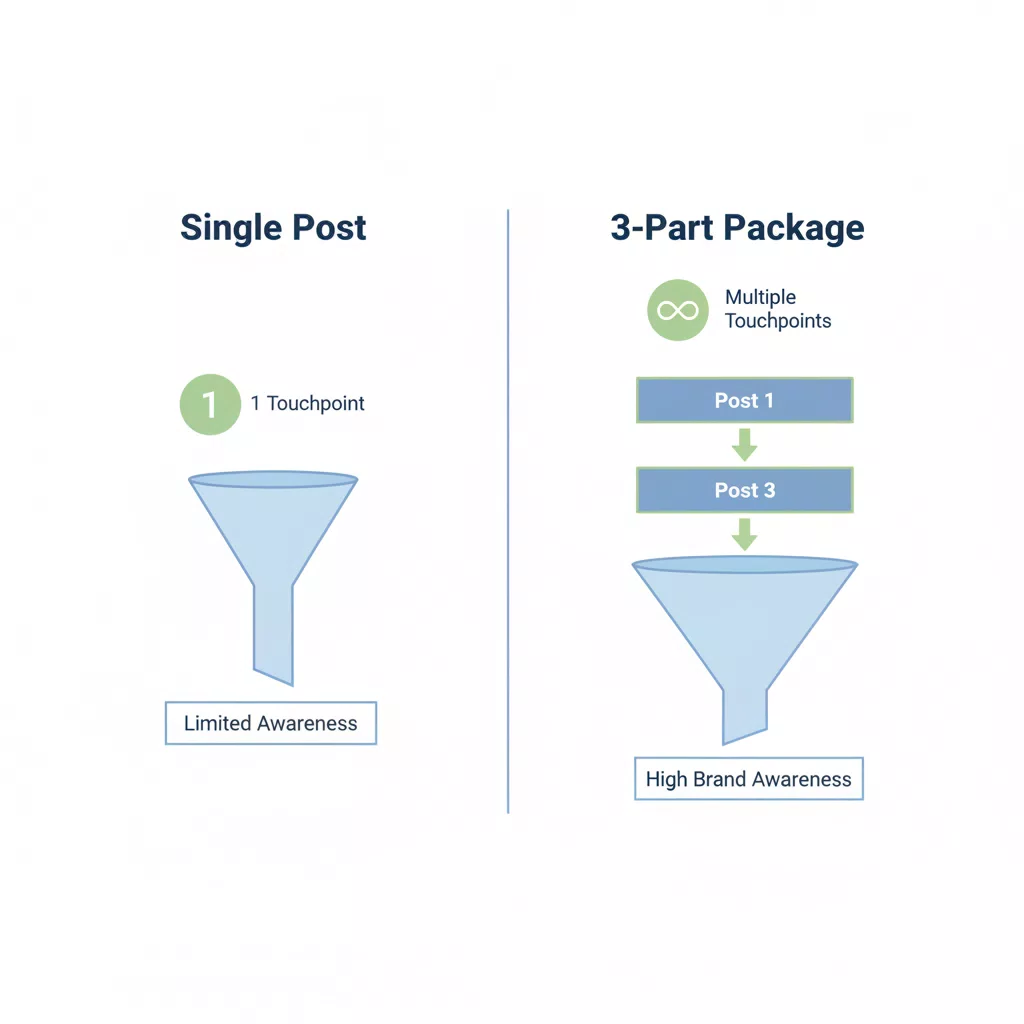
Single integrations rarely build lasting brand recall. Frame your renewal pitch around campaign continuity. Instead of pitching another individual post, offer tiered multi-video bundles that guide viewers through different stages of the buying journey.
Leveraging Performance Data to Justify Higher Deliverable Rates
When your initial post overperforms, your baseline rate for future deliverables should increase accordingly. Connect your price adjustments directly to concrete campaign data.
Consider this illustrative scenario: For an initial campaign, a creator charges $1,000 for a single video integration targeting 50,000 views. The video actually generates 85,000 organic views within 14 days.
Here is how that data justifies a higher renewal proposal:
| Metric / Scope Element | Initial Campaign (Actual) | Renewal Tier 1 (2-Video Bundle) | Renewal Tier 2 (3-Video Package) |
|---|---|---|---|
| Deliverable Count | 1 Integrated Video | 2 Integrated Videos | 3 Integrated Videos + Shorts |
| Projected Views | 85,000 Views (Delivered) | 160,000 Total Views | 250,000 Total Views |
| Paid Usage Rights | 0 Days (Organic Only) | 30 Days Digital Usage | 60 Days Digital + Paid Ads |
| Package Price (Illustrative) | $1,000 | $2,600 ($1,300/video) | $4,500 ($1,500/video base + usage) |
| Effective Value | Proved 170% benchmark | Guaranteed multi-touch | Full commercial coverage |
By showing that your actual cost-per-impression was lower than projected during the initial test, raising your rate for the renewal keeps the brand's return on investment strong while increasing your total deal size.
Navigating the Renewal Negotiation and Closing Repeat Contracts
Structuring Paid Usage Rights and Whitelisting Extensions
Do not include paid usage rights inside your organic posting fee. Content licensing, ad usage, and permissions should always be quoted as separate line items.
If the brand wants to amplify your content through paid advertising, distinguish between platform permissions:
- Meta / Instagram: Charge an additional usage fee for brand whitelisting via Partnership Ads access.
- TikTok: Provide authorization codes for Spark Ads with strict 30-day or 60-day expiration windows.
Responding to Budget Counteroffers with Value-Backed Adjustments
When a brand loves your renewal pitch but replies that they only have budget for $2,000 instead of $2,600, never lower your price without modifying the scope of work. Accept lower compensation for identical deliverables, and you reduce your perceived market value.
Instead, adjust deliverables to match their budget:
- Remove paid usage rights or shorten the ad access window.
- Swap a dedicated integration for a shorter mid-roll mention.
- Reduce the total number of deliverables in the bundle.
Summary: Turning Single Sponsorships into Long-Term Partnerships
Converting a one-off sponsorship into recurring income relies on a clear follow-up routine:
- Gather complete data: Wait 7 to 14 days for view counts and engagement to stabilize before delivering your final recap.
- Highlight qualitative signals: Include screenshots of high-intent comments alongside core platform metrics.
- Pitch tiered bundles: Propose multi-post options that offer campaign continuity while securing predictable income.
- Unbundle usage rights: Keep paid advertising rights like whitelisting and Spark Ads separate from base production fees.
FAQ
When Is the Best Time to Send a Sponsorship Renewal Pitch?
Send your renewal pitch between 7 and 14 days after your sponsored post goes live. This gives organic reach time to stabilize while keeping campaign wins fresh in the brand manager's mind before their quarterly budget is allocated elsewhere.
What Should I Do If a Brand Does Not Respond to My Campaign Recap Email?
Send a polite follow-up 3 to 5 business days after your initial recap. Share a quick update, such as additional viewer comments or updated view counts, and re-attach your renewal proposal options.