How to Identify and Secure Recurring Brand Partners for 2027: A Step-By-Step Decision Matrix
To secure recurring brand partners for 2027, you must analyze your past deal records, score sponsors using a decision matrix, and pitch multi-month retainer packages instead of single-deliverable deals.
Landing one-off brand deals might cover immediate bills, but recurring retainers are what build stable, predictable income. Instead of constantly hunting for new sponsors, you can double down on the brands that already deliver the highest audience alignment and ROI.
Here is the exact framework to lock in recurring partners for 2027:
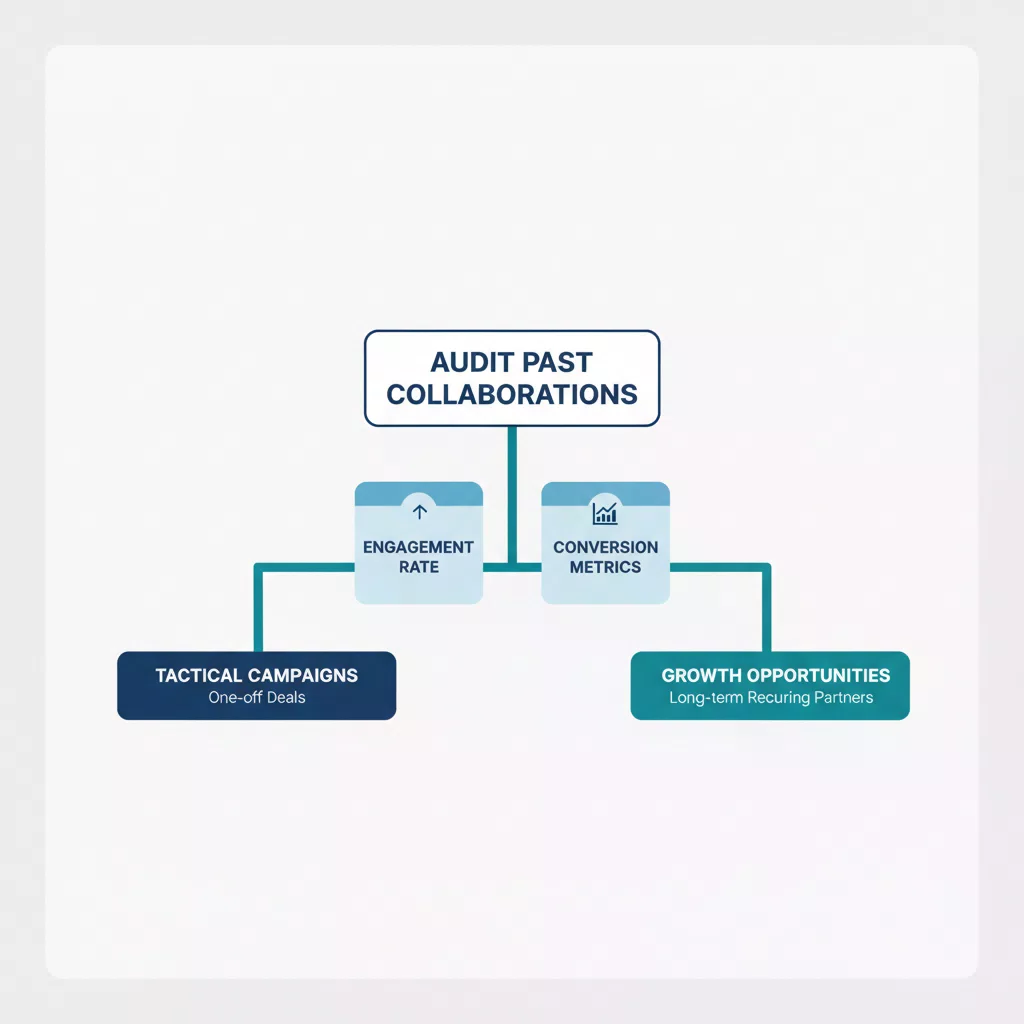
- Audit Past Collaborations: Review 12 to 24 months of performance metrics to identify high-converting brand categories.
- Apply the Decision Matrix: Score sponsors across budget stability, audience alignment, payment reliability, and creative freedom.
- Package Deliverables: Combine main-feed content with specific usage rights, such as TikTok Spark Ads, Instagram Partnership Ads, or YouTube Creator Partnerships.
- Build Your Pipeline: Re-engage top-tier brands using data-backed pitch proposals before their annual budgets are locked in.
Quick Comparison: Retainer Priority Tiers
| Partner Tier | Pitch Priority | Brand Profile | Target Deal Structure |
|---|---|---|---|
| Tier 1 | High | Proven ROI, strong audience fit, reliable communication | Quarterly or Annual Retainers |
| Tier 2 | Medium | Moderate audience fit, seasonal buying spikes | Seasonal Slotting (Peak Months) |
| Tier 3 | Low | Tactical budget, strict constraints, one-off needs | Single Deliverable Deals |
Here is how to analyze your past deal data and set up your 2027 decision matrix step by step.
Audit Past Brand Collaborations to Find High-Yield Niche Categories
Before pitching prospective sponsors for your 2027 schedule, look at your existing campaign performance. Analyzing past brand deals reveals which product categories deliver organic audience interest and sustainable revenue.
Evaluate Deliverable Roi and Audience Alignment
Review performance data from the last 12 to 24 months. Pay attention to how your audience engaged with specific sponsored posts rather than focusing solely on overall view counts.
- Engagement Rate: Measure comments, saves, and shares. High comment depth indicates real consumer interest.
- Click-Through Rate: Track referral link performance using a trackable URL. A high click-through rate shows strong conversion intent.
- Repeat Viewer Interest: Note whether your audience asked follow-up questions in subsequent regular posts.
For example, an illustrative campaign with a skincare brand generating a 4.2% click-through rate across 50,000 views demonstrates clear category fit. Conversely, an illustrative app deal that yielded under 0.5% click-through signals low long-term retention potential.
Categorize One-Off Sponsorships Vs. Growth Opportunities
Not every profitable past deal belongs in your long-term 2027 strategy. Separate your campaign records into two clear buckets:
- Tactical Deliverables: One-off app launches, flash discount pushes, or agency-driven bulk runs.
- Growth Candidates: Brands with continuous product lines, recurring budget cycles, and strong community overlap.
Focus your long-term energy on growth candidates. These brands receive predictable value from repeat exposure to your audience.
The 2027 Recurring Partner Decision Matrix
To remove guesswork when selecting recurring partners, evaluate candidates using a standardized point system. Scoring sponsors ensures you invest outreach time into accounts with predictable budgets and smooth approval processes.
Score Partners Across Four Key Criteria
Evaluate past brand sponsors on a 100-point scale. Assign up to 25 points across four specific operational criteria:
| Criterion | Max Score | High Alignment Indicator (18–25 pts) | Low Alignment Indicator (1–10 pts) |
|---|---|---|---|
| Budget Stability | 25 | Dedicated quarterly ad spend, clear annual budgets | Unpredictable, single campaign budgets |
| Audience Alignment | 25 | Over 80% demographic and topical fit | Forced product placement, low viewer interest |
| Payment Reliability | 25 | Net-30 compliance, prompt contract execution | Net-90 delays, repeated invoicing disputes |
| Creative Freedom | 25 | Brief allows native voice, fast approvals | Rigid scripts, extensive revision cycles |
Apply Threshold Scores to Decide Pitch Priority
Calculate each brand’s final score to establish your outreach priority for 2027:
- 80 to 100 Points (Tier 1): Pitch multi-quarter or annual retainer packages immediately.
- 60 to 79 Points (Tier 2): Reserve seasonal inventory slots (such as Q4 holiday spikes or Q2 product drops).
- Below 60 Points (Tier 3): Keep on single-deliverable rates without offering dedicated calendar priority.
If an illustrative skincare brand scored 88 out of 100 due to high payment reliability and solid conversions, they qualify as a primary target for a full-year 2027 package.
Structure Multi-Month Retainers and Package Deliverables
Moving a sponsor from a single post to a multi-month retainer requires offering expanded value beyond basic organic feeds.
Bundle Content Across Multiple Formats
Combine main-feed placements with platform-specific usage rights. Allowing brands to run paid campaigns behind your content increases contract value without requiring proportional creation time.
Make sure to specify separate licensing formats in your contract:
- TikTok Spark Ads: Grant permission via native post authorization codes inside TikTok Ads Manager so the brand can boost your existing organic post.
- Instagram Partnership Ads: Set up access through Meta Business Suite to allow the brand to run targeted ads with your handle linked as a paid partner.
- YouTube Creator Partnerships: Provide co-branded display assets, pinned comment links, or ad integration rights managed through Google Ads permissions.
Build Seasonal and Milestone-Based Retainer Schedules
Structure annual retainers around seasonal buying windows. Spread your agreed deliverables across key quarters to maintain audience trust while giving the brand consistent touchpoints.
- Q1 (January–March): Brand integration focusing on fresh starts or annual product line updates.
- Q2 & Q3 (April–September): Targeted mid-year feature updates and usage rights licensing.
- Q4 (October–December): Dedicated holiday gift-guide integrations and peak conversion campaigns.
Set up Your 2027 Pitch Pipeline and Outreach Workflow
Brand budgets for 2027 are frequently finalized during Q3 and Q4 of the preceding year. Re-engaging contacts early ensures your proposal arrives during active budget allocation.
Draft Data-Backed Retainer Pitches
When reaching out to Tier 1 candidates, lead with historical results rather than generic pitch decks. Quantify past campaign ROI to justify recurring retainers.
Example Pitch Wording: "Based on our Q3 campaign—which generated a 4.2% click-through rate and over 350 trackable sales—we'd love to lock in a structured 2027 partnership. Securing four quarterly integrations upfront reserves your preferred calendar slots while locking in our baseline rate of $4,500 per quarter."
Automate Administrative Pipeline Tracking
Managing outreach across dozens of brands can consume excess administrative time. Using chat-based creator management software like CreaSeed allows you to track negotiation status, automate follow-up reminders, and organize contracts without manual paperwork friction.
Setting automated follow-up cadences prevents active deals from stalling during long corporate approval cycles.
Essential Action Steps for 2027 Partner Security
To build a predictable sponsorship pipeline for 2027, complete these practical steps:
- Audit Past Deal Records: Pull metrics from the past 12–24 months to identify your highest-converting brand categories.
- Run the Decision Matrix: Score every past brand on budget, alignment, payment history, and creative freedom.
- Draft Retainer Packages: Combine organic deliverables with dedicated usage rights (TikTok Spark Ads, Instagram Partnership Ads, or YouTube Creator Partnerships).
- Initiate Early Outreach: Contact Tier 1 partners before annual brand marketing budgets are locked in.
FAQ
When Is the Best Time to Pitch Brand Retainers For 2027?
The ideal window to pitch 2027 retainers is late Q3 through early Q4 of 2026, when most mid-to-large brands finalize their annual budget allocations.
How Should Usage Rights Be Priced Inside a Multi-Month Retainer?
Usage rights are typically priced as an additional fee on top of your content creation rate (often 20% to 50% per 30-day licensing window), depending on ad spend duration and platform reach.