How to Scope Your First UGC Offer: Deliverables, Revisions, and Usage Rights Explained
Think you need a portfolio full of past client deals to land your first paid UGC contract?
Here's the truth: You don't. Brands care far more about clear offer boundaries and proof of skill than a list of past logos.
To scope your first UGC offer without paid client history, define exact video parameters (aspect ratio, duration, asset count), limit edits to one minor revision round, set clear usage rights (such as 30-day paid ad rights on Meta platforms), and present speculative concept videos that demonstrate your pacing, lighting, and hook execution.
Here is what every first-time UGC offer scope needs to include:
- Technical Deliverables: Exact aspect ratios (9:16 vertical), runtimes (15–30 seconds), and file specs (1080p, 60fps).
- Usage Rights: Explicit platform permissions (e.g., Meta paid ads) and fixed licensing windows (e.g., 30 or 60 days).
- Revision Rules: One included round of minor text or audio tweaks, excluding full script reshoots.
- Concept Samples: 2–3 self-shot speculative videos highlighting problem-solution hooks, aesthetic unboxings, or voiceover tutorials.
Quick Comparison: Vague Vs. Scoped UGC Offer
| Offer Component | Vague Offer (High Risk) | Scoped UGC Offer (Protected) |
|---|---|---|
| Deliverable | "A promo video for your brand" | 1x Vertical Video (9:16, 1080p, 15–30 sec) |
| Usage Rights | Unlimited organic and paid usage forever | 30-day paid ad rights on Meta platforms |
| Revisions | Unlimited edits until satisfied | 1 minor editing round (script reshoots fee-based) |
| Proof of Work | Claimed past client logos | 2–3 targeted speculative concept videos |
Below, we will walk through how to build each section of your offer sheet so you can pitch brands professionally from day one.
Selecting Speculative Portfolio Samples for Brand Pitching
Choosing Strong Concept Videos
Brand managers do not evaluate your portfolio based on past paid brand logos. They look for proof of visual pacing, lighting, and clear scripting. If you lack paid campaign history, create speculative work using products you already own.
Focus on three proven formats:
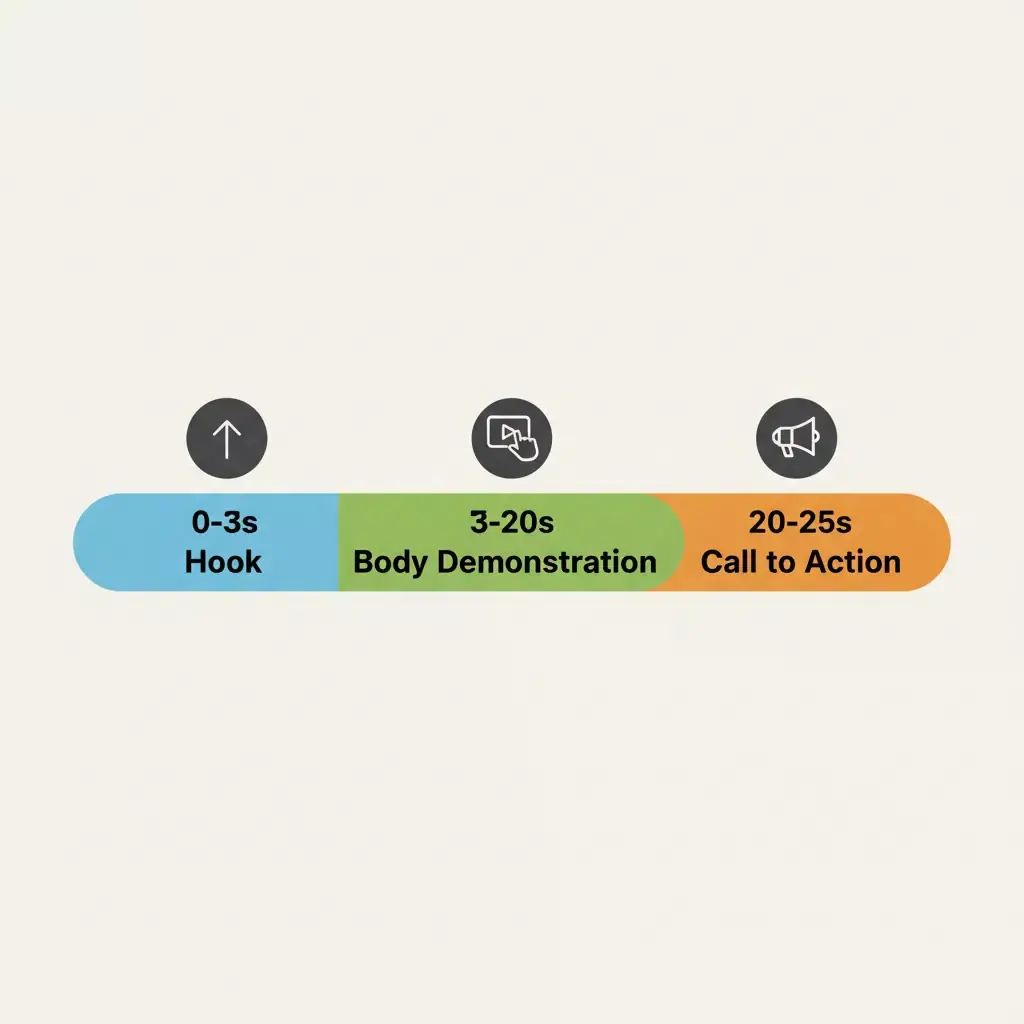
- Problem-Solution Hooks: Open with a relatable frustration (such as dry skin after washing) within the first 3 seconds, followed by product introduction and visible results.
- Aesthetic Unboxings: Highlight product texture, premium packaging, and quick hand-held close-ups paired with crisp lighting.
- Voiceover Tutorials: Show step-by-step application with clear narration, on-screen text overlays, and a strong direct action call.
Framing Unpaid Work Transparently
Never pretend self-shot concept videos were paid client campaigns. Brand marketers recognize fake case studies quickly, which damages your credibility.
Instead, label your samples as concept studies designed for specific niches like skincare, mobile apps, or home goods. This positions you as an intentional creator who understands format execution.
Sample Portfolio Note: "The concept samples below were shot to demonstrate hook execution, lighting standards, and visual scripting for skincare brands. They reflect the exact technical and aesthetic quality delivered in brand contracts."
Structuring Deliverables and Technical Specifications
Specifying Video Specs and Formats
Scope creep happens when technical parameters remain undefined. Avoid listing generic deliverables like "one promo video." State exact technical specifications on your offer sheet.
Define these four parameters for every main deliverable:
- Aspect Ratio: 9:16 vertical video optimized for TikTok, Instagram Reels, and YouTube Shorts.
- Resolution and Frame Rate: 1080p at 60fps for crisp movement and playback.
- Duration: 15 to 30 seconds total runtime.
- Raw Footage Exclusion: Final edited MP4 file only. Raw, unedited footage remains unreleased unless added as a paid line item.
Packaging Asset Variations
Brands rarely run a single ad variation. They test different hooks and calls to action (CTAs) to lower their customer acquisition costs.
You can increase contract value by offering modular add-ons rather than full extra videos. For example, shoot one core video body and record two extra 3-second opening hooks.
Defining Usage Rights, Platform Licensing, and Duration
Organic Vs. Paid Ad Rights
usage rights dictate how a brand can legally distribute your content. Organic rights allow the brand to post the video on their own social media feeds. Paid ad rights give them permission to run your video as a paid advertisement across advertising networks.
If a brand requests permission to run paid ads through your personal profile handle—known as whitelisting—charge an additional licensing fee because it directly leverages your creator identity.
Setting Specific Usage Windows
Think carefully before granting perpetual paid usage rights. A time-limited license, such as 30, 60, or 90 days on specified platforms, is easier to price and review.
Use this breakdown to structure modular extensions on your offer sheet:
| Scope Component | Standard Deliverable | Add-On / Upsell Option | Typical Fee Structure (Illustrative) | | :--- | :--- | :--- | | Hook Variations | 1 primary opening hook | 2 extra opening hooks (0–3 sec) | +20% base video rate | | Ad Usage Window | 30-day Meta ad rights | 60-day or 90-day extension | +25% per additional 30 days | | Raw Footage | Final edited video file | Complete raw clip package | +50% base video rate | | Reshoot Requests | 1 minor edit round included | Full script reshoot | 75% to 100% base video rate |
Setting Revision Boundaries and Approval Terms
Limiting Included Revisions
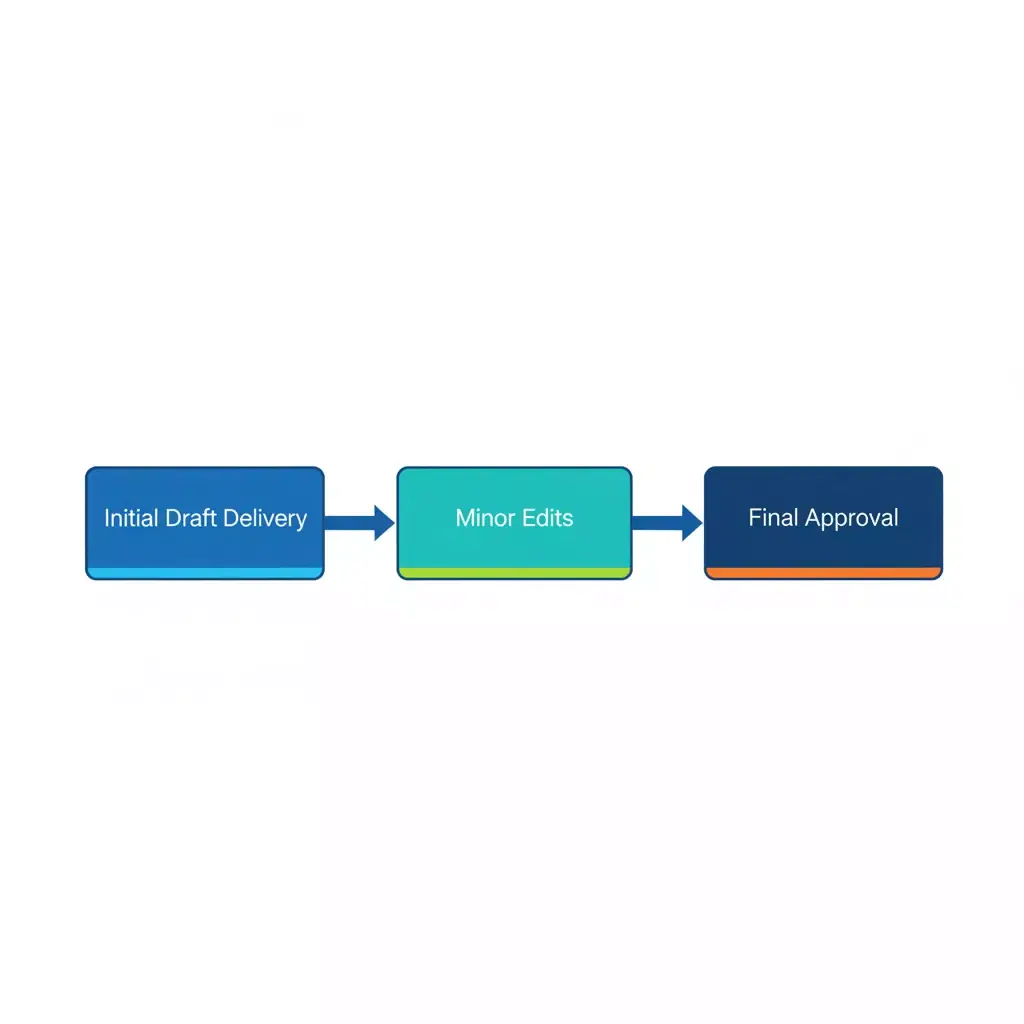
Protect your time by defining what constitutes a revision. Include one round of minor edits in your base offer.
Minor edits cover on-screen text corrections, audio volume adjustments, or minor clip re-ordering. Full reshoots triggered by script changes, new product features, or client preference shifts after filming require a separate reshoot fee.
Establishing Review Timelines
Set clear deadlines for brand feedback to prevent projects from stalling.
Specify that the client must provide revision requests within 3 business days of receiving the draft. Include a standard clause stating that if no feedback is received within 5 business days, the asset is considered approved and final payment is due.
Drafting the Written Offer and Proposal Summary
Drafting a One-Page Offer Sheet
Combine your deliverables, usage terms, and revision rules into a single-page offer document or PDF proposal. Keep the layout clean and easy to scan.
Sample One-Page UGC Offer Sheet: Deliverable: 1x Vertical Video (9:16, 1080p, 60fps, 15–30 sec duration) Usage Rights: 30-Day Paid Ad Rights on Meta Platforms (Organic social posting excluded unless specified) Revisions: 1 Round of minor editing (text, audio, trim adjustments). Script reshoots incur an extra fee. Turnaround Time: 5 business days from product receipt.
Core Scoping Rules for First-Time Creators
When closing your first UGC deal without client history:
- Define every file specification upfront to protect your workload.
- Limit licensing windows to 30 days so brands pay for ongoing ad usage.
- Rely on high-quality concept videos to demonstrate your ability to execute high-converting hooks.
For the rights review before accepting, see UGC Usage Rights and Exclusivity.