How to Pitch a Multi-Month Sponsorship Renewal Right After Delivering Your First Campaign
Landing a single brand deal is great. But turning that one-off post into a multi-month retainer is how you build predictable, long-term revenue.
The secret? You don't wait around for the brand to reach out—you pitch a multi-month renewal after you have enough campaign data to discuss, at a time agreed with the brand. By pairing concrete performance metrics with positive audience sentiment, you prove ROI and position yourself as an ongoing strategic partner.
Here is the exact strategy to turn single campaigns into recurring contracts:
- Establish the optimal window: Collect performance data across an agreed reporting window and distinguish early results from later activity.
- Build a value-packed recap: Combine mid-funnel signals (watch time, click-through rates) with qualitative proof (comment screenshots, buyer DMs).
- Pitch a multi-month content arc: Frame future deliverables around an ongoing narrative rather than repeating standalone promotional posts.
- Offer tiered retainer rates: Provide structured multi-month packages with volume discounts to make long-term commitments attractive.
Let's break down step-by-step how to structure your post-campaign recap and negotiate your multi-month sponsorship renewal.
Establish the Optimal Measurement Window
Timing is everything when asking a brand for more money. Reach out too early, and you won't have enough data to prove ROI. Reach out too late, and the campaign manager has already moved on to next quarter's budget.
Track Core Metrics Across a 7-To-14 Day Window
Choose a reporting window that fits the campaign agreement and the metrics available.
Reach can change after publication, but the pattern varies by post and platform. Compare dated snapshots rather than assuming a fixed distribution curve.
A later snapshot may show additional exposure. Explain the measurement period and avoid presenting it as a complete account of future results.
Reporting Early Results When Data Is Incomplete
What happens when a brand manager emails you on day 3 asking for a quick update?
Don't panic, and avoid sending raw, incomplete stats without context. Share an interim update that highlights initial momentum while establishing expectations for your final 14-day report.
Illustrative Example Update: "Hi [Name], early momentum is looking great! In the first 72 hours, the post reached 18,000 views with a 4.1% link click-through rate. Since organic views accumulate steadily over two weeks, I am putting together our complete 14-day performance report with final conversion and retention metrics for next Tuesday."
This demonstrates professional reliability and prevents sponsors from evaluating campaign success based on partial numbers.
Build a Performance Recap That Proves Campaign Roi
Most creators send a single screenshot of view counts and call it a day. That is a missed opportunity. Brand marketers care about business outcomes, not just overall reach.
Highlight Mid-Funnel Conversion and Retention Signals
To prove your audience engaged deeply with the product, highlight mid-funnel metrics. Share your audience retention graph to pinpoint where viewers remained engaged during the sponsored integration.
Pair retention stats with direct action signals:
- Link Click-Through Rate (CTR): Proves real viewer purchase intent.
- Saves and Shares: Demonstrates product utility and consideration.
- Promo Code Redemptions: Connects your post directly to brand sales revenue.
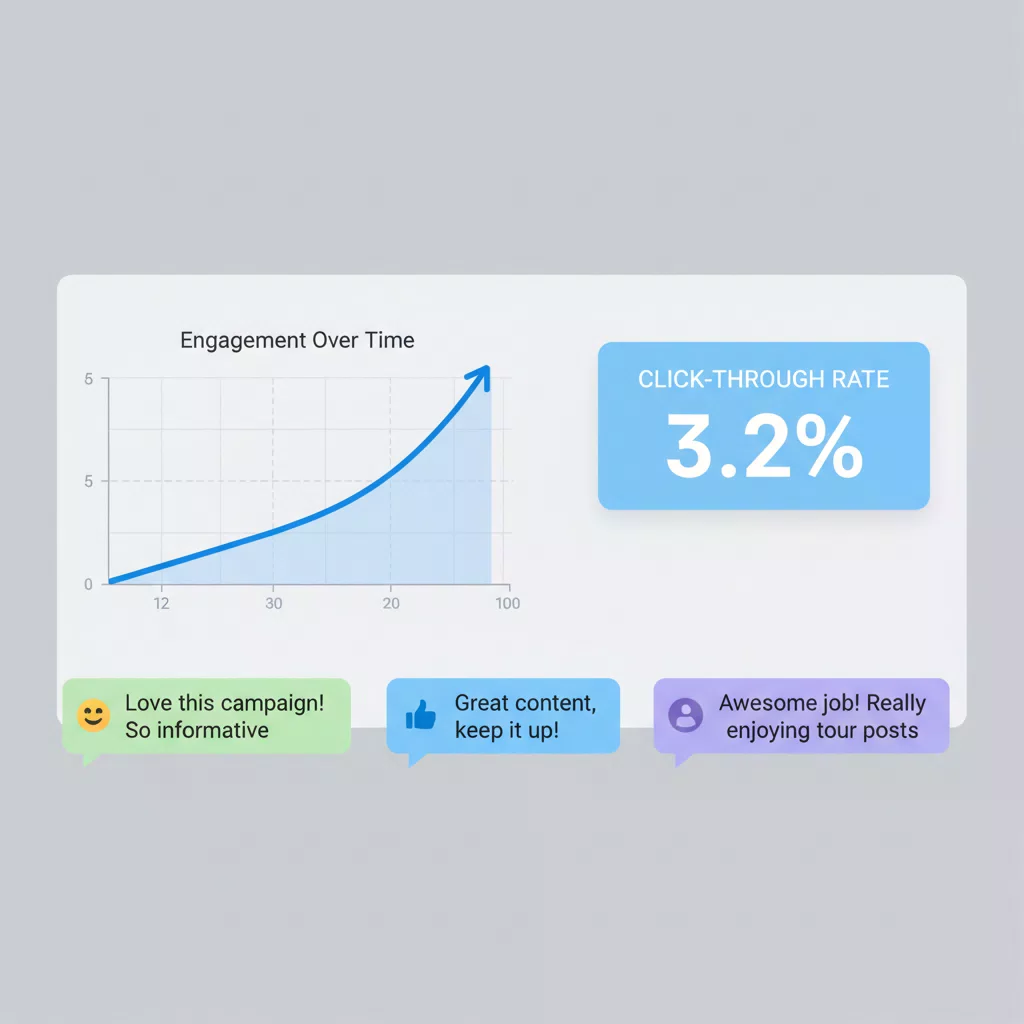
For example (using illustrative numbers), if your sponsored video earned 45,000 views, a 3.2% CTR, and 120 promo code redemptions totaling $4,800 in trackable revenue on a $1,500 campaign, highlight that 3.2x return on ad spend in your report.
Package Qualitative Sentiment and Brand Alignment
Numbers tell only half the story. Qualitative feedback proves brand affinity and viewer trust.
Collect direct messages, comment screenshots, and audience inquiries where followers express interest in the product.
Focus on high-intent user feedback:
- Questions regarding specific shades, sizes, or subscription plans.
- Comments stating, "Just ordered using your code!" or "Adding this to my cart now."
- Praise noting how natural and authentic the sponsorship felt.
Crop these comments into a visual grid inside your recap report. It offers concrete proof that your endorsement influenced audience purchasing decisions.
Frame the Multi-Month Renewal Proposal
Once you present your recap and the brand sees positive campaign metrics, transition immediately into your renewal offer. Pitching while performance momentum and trust are high maximizes your chances of closing a recurring deal.
Transition from Single Deliverables to Content Arcs
Rather than asking for another single post, pitch a content arc. A content arc connects multiple posts into a continuous story or multi-month narrative campaign.
Single sponsored posts generate quick awareness, but repeat exposure builds lasting familiarity and drives ongoing sales.
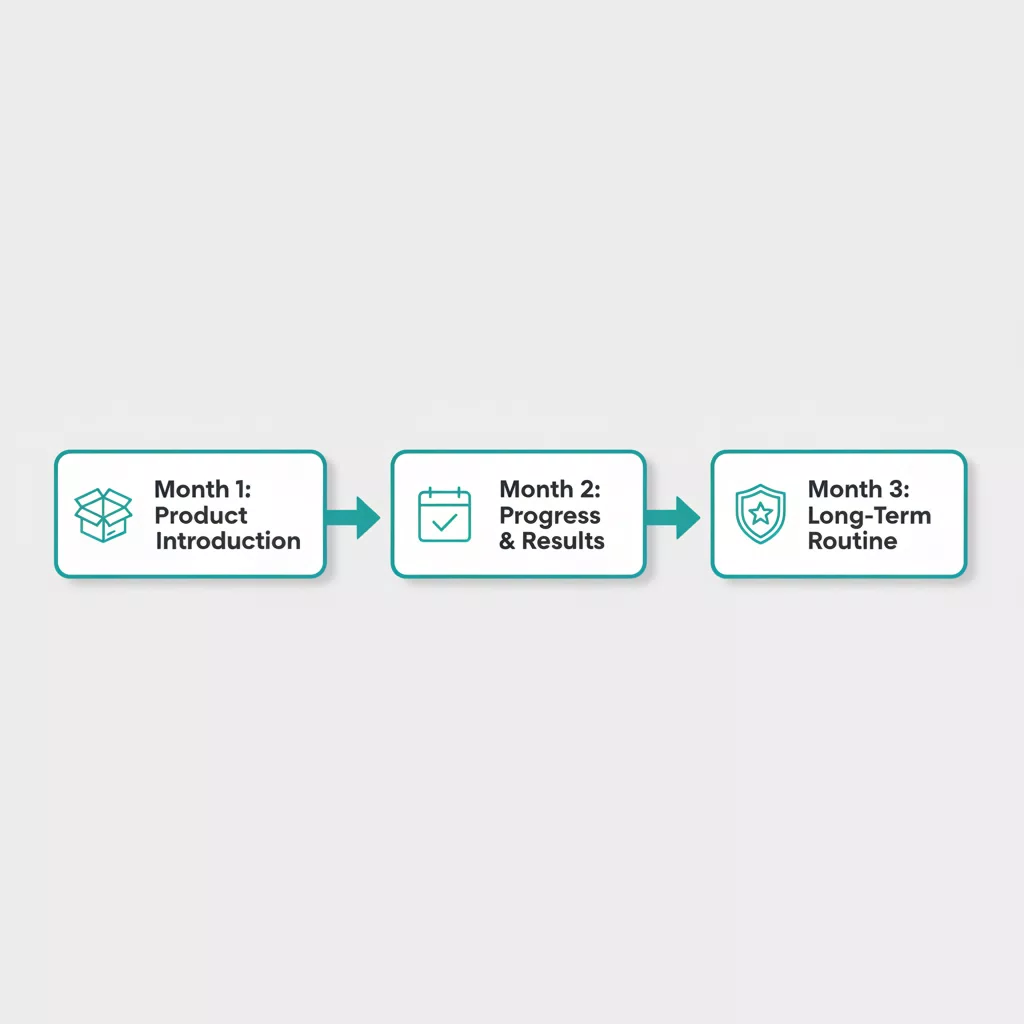
For instance, an illustrative 3-month content arc for a skincare brand might look like this:
- Month 1: Unboxing and introducing the skincare routine (the initial campaign).
- Month 2: A 30-day skin progress report highlighting visible results.
- Month 3: A seasonal routine update emphasizing daily skin protection.
Structure Tiered Retainer Pricing and Incentives
Make multi-month commitments financially appealing by offering structured retainer packages with built-in volume discounts.
Here is an illustrative package comparison showing how single-post pricing compares to multi-month retainers:
| Campaign Package | Deliverables | Monthly Rate (Illustrative) | Total Deal Value | Savings Incentive |
|---|---|---|---|---|
| 1-Off Post (Baseline) | 1 Sponsored Video | $1,500 / post | $1,500 | Standard Rate |
| 3-Month Retainer | 1 Video/mo + Story Mentions | $1,350 / mo | $4,050 | 10% Discount |
| 6-Month Retainer | 1 Video/mo + Usage Rights | $1,200 / mo | $7,200 | 20% Discount |
Providing a clear 10% to 20% discount structure gives brand managers a straightforward narrative to get budget approval from their internal leadership.
Negotiate Terms and Paid Usage Upgrades
Closing a multi-month package requires clear agreement on usage permissions, ad licensing, and proposal timelines.
Distinguish Platform-Specific Ad Licensing Terms
Brands often want to amplify top-performing organic posts into paid ad campaigns. However, ad licensing mechanics vary by platform:
| Platform Feature | Licensing Method | Key Commercial Scope |
|---|---|---|
| TikTok Spark Ads | Post authorization code | Boosts your organic video directly while retaining views and comments on your profile. |
| Instagram Partnership Ads | Meta Business Manager authorization | Displays your handle as a co-creator on paid ads without granting account login access. |
| YouTube Creator Partnerships | Google Ads link or asset licensing | Allows sponsors to run targeted ad variants using your creator assets. |
Keep paid usage rights distinct from organic post creation. Charge a separate monthly licensing fee or bundle usage rights as an exclusive bonus for longer contracts.
Address Budget Pushback and Set Proposal Deadlines
If a brand manager raises budget concerns, adjust the scope of work instead of reducing your flat rates.
If the sponsor cannot commit to a $4,050 3-month package, remove extra deliverables like bonus social posts while preserving your core video rate.
To keep negotiations on schedule, include a clear expiration date on your multi-month offer.
Illustrative Proposal Deadline Wording: "To reserve content calendar availability and lock in these package rates for Q3, this multi-month renewal proposal remains valid for 10 business days through [Date]."
Summary: Key Takeaways for Landing Repeat Sponsorships
Converting single brand deals into recurring contracts follows a straightforward workflow:
- Gather data across 7–14 days: Wait for organic views and engagement to reach a stable baseline before finalizing reports.
- Combine quantitative and qualitative proof: Pair conversion metrics (CTR, watch time) with screenshots of positive audience comments.
- Pitch ongoing content arcs: Frame future posts as part of a multi-month story line rather than repetitive single mentions.
- Offer structured retainer tiers: Include clear package discounts to encourage longer contractual commitments.
- Define clear offer deadlines: Include precise expiration dates to protect your calendar and maintain momentum during contract negotiations.
FAQ
When Is the Best Time to Send a Sponsorship Renewal Proposal to a Brand?
Send your renewal pitch 7 to 14 days after your original post goes live, attaching it directly to your final campaign performance recap report.
How Should I Handle Budget Pushback When Pitching a Multi-Month Retainer?
Adjust the scope of deliverables—such as reducing bonus social posts—rather than discounting your baseline rate to fit their budget.