How to Choose Brands to Pitch After a TikTok Growth Spike
A sudden growth spike on TikTok can turn your account into a magnet for sponsors—if you know how to pitch while your momentum is high.
To turn a temporary view spike into a more informed outreach opportunity, you need to target brands that match your new audience demographics, set fair pricing based on median view performance, and prioritize outreach to sponsors with active creator budgets.
Here is the 4-step workflow to select and pitch the right brands after a growth spike:
- Analyze Demographics: Match your new follower age, location, and intent signals to realistic product categories.
- Calculate Baseline Rates: Price your deliverables using recent median views rather than one-off viral peaks.
- Build a Target Shortlist: Group and rank active sponsors in your sub-niche based on budget scale and fit.
- Execute Pitch Outreach: Package your view velocity metrics and send tailored proposals to decision-makers.
Here is how to evaluate your account data, build a high-converting brand list, and land paid sponsorships.
Before pitching, separate public profile counts from the audience and engagement data available in your own account. This counter guide explains the limits of public metrics.
Filter Brands by Audience Alignment and Niche Fit
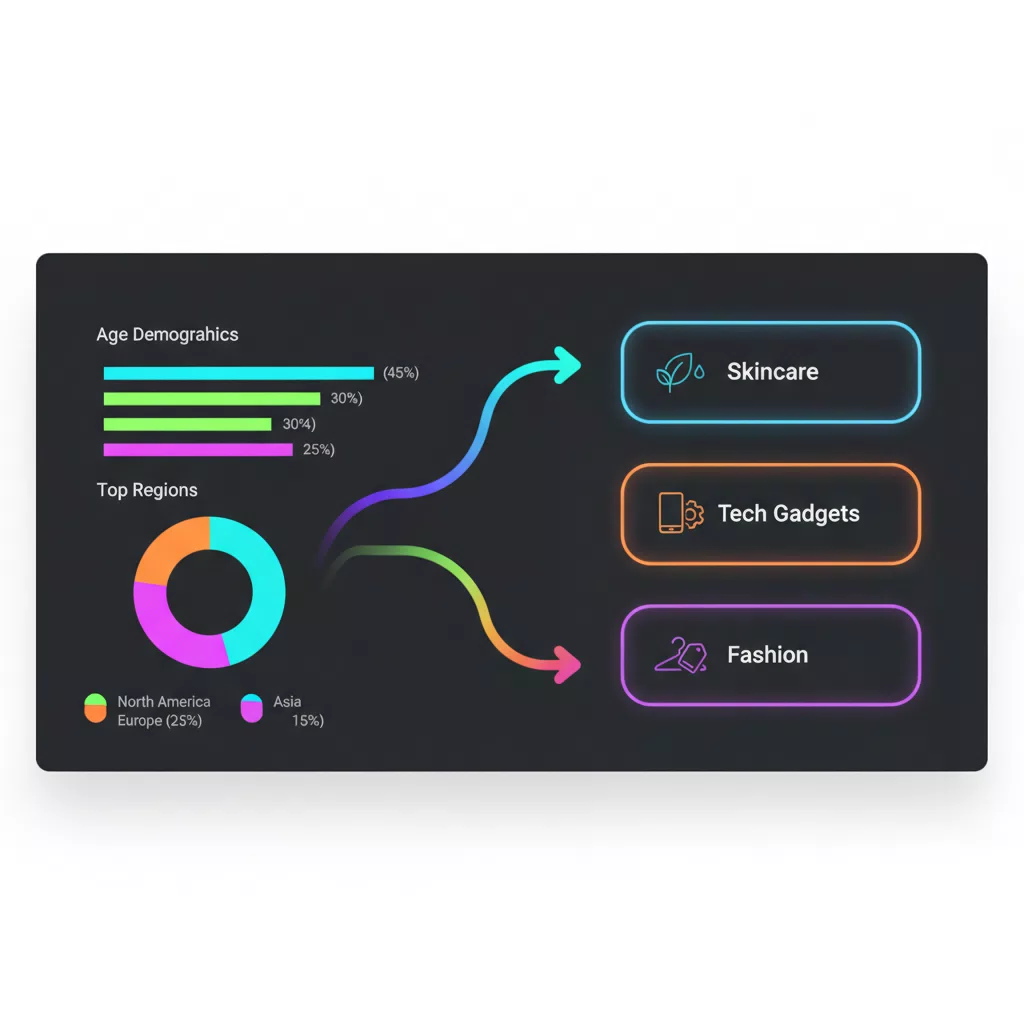
Analyze New Follower Demographics and Intent Signals
When a TikTok video pops off, your account metrics shift fast. But brands don't pay for vanity view spikes—they pay for access to specific buyers.
Open your native TikTok Analytics and check your new follower breakdown over the last 7 to 28 days. Look closely at three main core data points:
- Age distribution: Is your new audience mostly 18–24, or are they 25–34 with higher disposable income?
- Top geographic regions: Are viewers concentrated in the US, UK, or Canada?
- Intent signals: What are people asking in your comment section?
For instance, if your viral video showcased a budget-friendly morning routine, check if comments ask "Where did you get that moisturizer?" or "Is this safe for rosacea?" These comments indicate clear buying intent.
Identify Active Sponsors in Your Niche
Once you understand your new audience, search for brands actively paying creators in your sub-niche.
Don't just pitch massive global corporations right away. Search TikTok for terms like #ad, #sponsored, or partnered with alongside your niche keywords (like "sensitive skin skincare" or "budget tech setup"). Take note of which brands run recurring campaigns with creators of your size.
You can also check competitors or peers who expanded after a recent view velocity burst. Brands that repeatedly sponsor videos in your sub-niche already have allocated budget and understand creator marketing value.
Gather Performance Proof and Calculate Updated Pricing
Package View Velocity and Engagement Metrics
Before reaching out to decision-makers, pull together solid proof of your recent momentum. A single viral video is a great headline, but sponsors want to know if your account maintains attention.
Collect these specific metrics over a 7-day to 14-day window:
- Baseline median views: The midpoint view count across your last 10–15 non-viral videos.
- Average watch time: What percentage of viewers watch past the 3-second mark?
- Engagement rate: Total likes, comments, and shares divided by total views.
Packaging these metrics into a clean media kit proves that your recent growth isn't a random glitch—it shows high audience attention.
Set Realistic Rates Based on Median View Performance
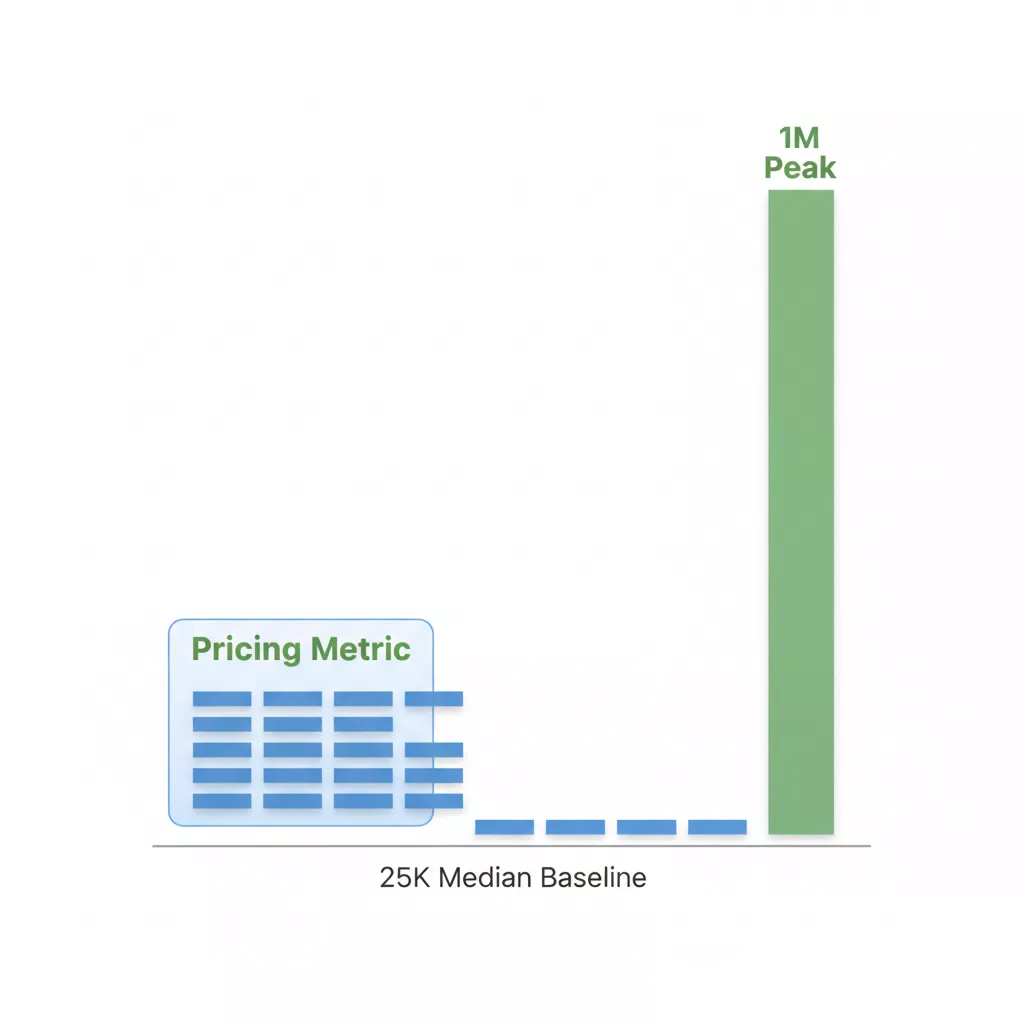
Pricing your content after a surge can be tricky. If you price based on a single 1M-view peak, brands will skip your pitch. If you price using pre-growth numbers, you leave money on the table.
Instead, calculate your baseline rate using your median views combined with an industry standard CPM metric.
Here is a simple pricing reference table based on account median views:
| Median Views (Last 10 Videos) | Baseline CPM Target | Estimated Video Rate (USD) | Best Suited Brand Tier |
|---|---|---|---|
| 5,000 – 15,000 | $20 – $25 | $100 – $375 | Indie / Bootstrapped Brands |
| 15,000 – 50,000 | $25 – $30 | $375 – $1,500 | Mid-Market Direct-to-Consumer (DTC) |
| 50,000 – 150,000 | $30 – $35 | $1,500 – $5,250 | Established Global Brands |
Note: Rates vary based on niche authority, usage rights, and exclusivity requirements.
Build and Prioritize Your Brand Shortlist
Categorize Prospects by Campaign Scale and Budget
Organize your target prospects into two primary tiers:
- Product Gifting / Seed Campaigns: Smaller indie brands offering free products. Use these to build initial case studies if you are new to brand partnerships.
- Paid Monthly Campaigns: Established direct-to-consumer (DTC) or enterprise brands with dedicated monthly influencer budgets. Focus 80% of your outreach effort here.
Rank Target Outreach Leads: A Skincare Example
Let's look at how this works in practice with a realistic scenario.
Illustrative Example: Maya runs a skincare account. She recently posted a 60-second sensitive-skin routine video that spiked to 150,000 views. Her account gained 4,000 new followers, and her baseline median views rose from 4,000 to 22,000. Her analytics show 78% US-based viewers, with 65% aged 21–34.
Instead of randomly messaging big brands, Maya builds and ranks a targeted shortlist of 5 brands:
- Brand A (Mid-Market DTC Hydration Brand): Active on TikTok
#ad, running monthly campaigns for sensitive skin products. High audience overlap. (Rank 1 - High Priority) - Brand B (Indie Barrier Cream Brand): Highly requested in Maya's comment section. Budget is modest, but strong buyer intent. (Rank 2 - High Priority)
- Brand C (E-commerce Beauty Retailer): Large budget, but rarely sponsors dedicated videos. Focuses on affiliate links. (Rank 3 - Medium Priority)
- Brand D (Luxury European Skincare): High prestige, but 90% of their audience is international, whereas Maya's audience is primarily US-based. (Rank 4 - Low Priority)
- Brand E (Generic Drugstore Cleanser): High budget, but weak alignment with sensitive skin solutions. (Rank 5 - Low Priority)
Maya prepares a customized pitch focusing on Rank 1 and Rank 2 brands first.
Here is an example pitch message layout Maya uses for high-priority outreach:
Subject: Partnership proposal: 22K median views for [Brand Name]'s sensitive skin launch
Hi [Marketing Lead Name],
I've been following [Brand Name]'s recent launch of the Barrier Cream and love your focus on gentle ingredients.
My TikTok account recently experienced a momentum spike—our last 10 videos hit a median of 22,000 views, with 78% US-based followers actively asking for sensitive-skin product recommendations.
I'd love to feature your Barrier Cream in an upcoming morning routine integration. Attached is my media kit with recent view velocity metrics and audience demographics. Are you open to reviewing a brief creative concept this week?
Best, Maya
Streamline Outreach and Deal Execution with CreaSeed
Generate Pitch Messages and Manage Negotiations
Moving from a shortlist to closed deals requires quick, professional communications.
With CreaSeed, you can manage your brand outreach through a single AI-assisted chat interface. Instead of spending hours writing customized cold emails, CreaSeed helps draft tailored pitch messages matching your niche aesthetics and recent metric performance.
When brands reply with counter-offers, CreaSeed provides rate suggestions based on current market metrics so you don't underprice your deliverables during usage rights negotiations.
Track Deal Workflows and Retain 100% of Earnings
Managing multiple brand conversations across email and DMs can get messy fast.
CreaSeed consolidates brand communications, contract status, and campaign deliverables into one simple dashboard workflow. Plus, CreaSeed operates on a zero-commission model. You keep 100% of your earnings without giving away standard 15%–20% traditional agency cuts.
Key Takeaways for Capitalizing on TikTok Growth
- Focus on median metrics: Price deliverables based on consistent median views, not temporary peak viral hits.
- Match buyer intent: Look at comment sections and demographics to select brands that fit your new audience.
- Rank leads strategically: Prioritize brands that run active paid creator campaigns over passive affiliate programs.
- Maintain momentum: Reach out while your view velocity metrics and engagement remain high.
FAQ
How Quickly Should I Start Pitching Brands After a Viral TikTok Video?
Start preparing outreach while the results are recent; there is no fixed 3-to-7-day window. Reach out while your 7-day view growth and account engagement metrics remain elevated.
Should I Price Sponsored Videos Using My Highest Viral View Count?
No. Brands evaluate historical stability, so calculate your baseline rates using the median view count across your last 10 to 15 non-viral videos.