A Brand Wants to Boost Your Sponsored YouTube Video After the Deal Ends: How to Reopen Terms
When a brand asks to run paid ads behind your YouTube video after your original sponsorship deal ends, never grant those advertising rights for free.
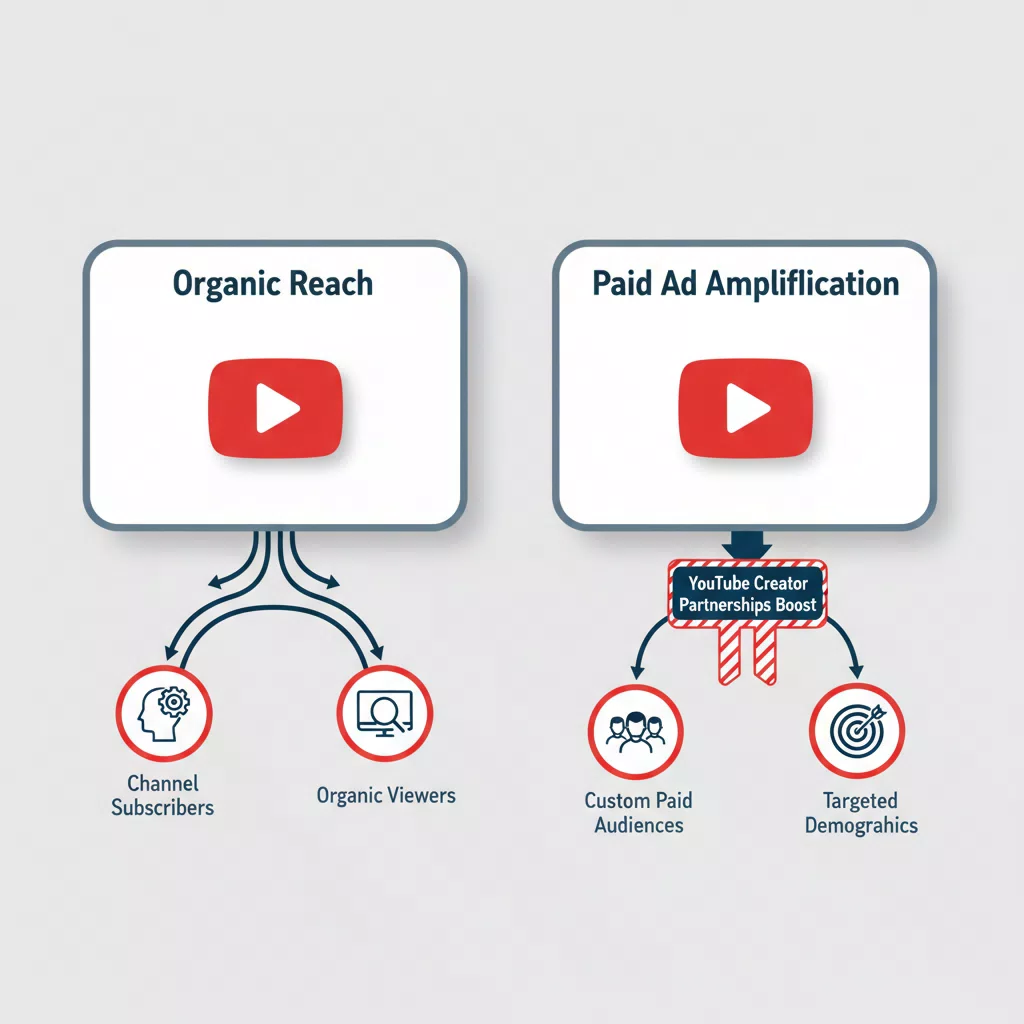
Standard sponsorship agreements only cover organic video hosting on your channel. Granting post-campaign boosting access—such as using YouTube Creator Partnerships Boost—allows brands to target custom audiences using your voice, face, and channel authority. To protect your revenue and brand value, you need to reopen terms with a written contract addendum that defines strict usage windows, prohibits unauthorized video edits, and charges a separate licensing fee based on campaign duration.
Here are the main components to address when reopening terms:
- Organic vs. Paid Scope: Keep standard channel hosting permissions separate from paid ad amplification.
- Strict Time Limits: Set explicit start and end dates for ad access instead of granting uncapped usage.
- Duration-Based Fees: Charge a separate licensing fee for active ad windows (for an illustrative example, charging 25% of the original baseline fee for every 30 days of paid ad boosting).
- Asset Integrity: Prohibit raw video modifications, re-cuts, or audio edits without prior written approval.
Quick Comparison: Organic Rights Vs. Paid Boosting Rights
| Feature | Organic Sponsorship | Paid Ad Amplification (Boosting) |
|---|---|---|
| Primary Audience | Organic channel subscribers and search viewers | Custom brand-targeted ad audiences |
| Access Duration | Perpetual (video remains on your channel) | Fixed term (specific start and end dates) |
| Usage Permission | Standard video placement | Active ad campaigns and Creator Partnerships Boost |
| Compensation | Original baseline sponsorship rate | Separate duration-based licensing fee |
Here is how to convert a casual post-campaign request into a structured, revenue-generating agreement.
Why Post-Campaign Boosting Requests Require a Separate Contract
When a brand emails you three weeks after your sponsored video goes live asking to run paid ads behind it, it might sound like a compliment. In reality, it is a new business request.
The Difference Between Organic Video Placement and Paid Ad Amplification
Your original sponsorship agreement covers organic video placement. You created a video, integrated the brand, and published it to your channel subscribers and search viewers.
Paid ad amplification—such as using YouTube Creator Partnerships Boost—is entirely different. It gives the brand legal access to run your content as an ad targeted to custom demographic segments outside your subscriber base.
This process requires usage rights that extend beyond standard channel publishing. When a brand runs paid ads using your channel handle and avatar, they leverage your personal brand and credibility to drive paid conversions. That extra commercial value demands separate compensation.
The Risks of Granting Uncapped Post-Deal Ad Usage
Giving away paid ad access without a formal contract update introduces serious risks to your creator business:
- Audience Fatigue: If a brand runs your video as an ad endlessly, viewers will see your face repeatedly across YouTube, leading to ad burnout.
- Competitor Lockouts: An active paid ad running in the background can trigger non-compete issues, preventing you from signing new deals in the same product category.
- Loss of Control: Without contractual boundaries, brands can run ads indefinitely or amplify your footage on unintended target audiences.
Define Content Scope: Organic Rights, Paid Ads, and Raw Assets
Before signing any addendum, clearly define what the brand is allowed to use. Never group organic video hosting, paid ad rights, and raw video files into a single bundle.
The table below breaks down how to structure these three distinct asset tiers:
| Asset / Deliverable Scope | Permitted Access Level | Standard Restrictions |
|---|---|---|
| Organic Channel Video | Published on your YouTube channel perpetually | No ad boosting rights; organic views only |
| Paid Ad Boosting Access | Temporary access via YouTube Creator Partnerships Boost | Fixed campaign term; no unapproved edit cuts |
| Raw B-Roll & Footage | Raw .mp4 asset delivery for brand-managed channels |
Requires separate asset licensing & explicit edit approval |
If a brand asks for raw project files to edit their own short ads, treat it as a separate commercial licensing tier. Raw footage gives the brand full freedom to re-cut your content, alter your voiceover, or repurpose your image for separate advertising channels.
Calculate Your Post-Deal Boosting Licensing Fee
Do not guess your ad amplification rate or accept a tiny flat gift card. Base your rate on your original baseline sponsorship fee and the requested campaign duration.
Establishing Duration-Based Pricing Structures
A reliable creator benchmark is to charge a percentage of the original baseline deal fee for every 30 days of paid ad boosting rights.
Illustrative Scenario:
- Original Baseline Sponsorship Fee: $4,000 for a dedicated YouTube video integration.
- Monthly Boosting Licensing Rate: 25% of the baseline fee per 30-day window.
- Calculated Boosting Fee: $4,000 × 0.25 = $1,000 for 30 days of paid ad access.
If the brand wants to run paid ads for 60 days, the licensing fee would equal $2,000 ($1,000 × 2). Setting a strict monthly rate ensures the brand pays fairly for every week your voice and identity power their ad funnel.
Factoring Exclusivity Extensions into Your Rate
If the brand requires continuous category exclusivity during the paid ad run, you must increase your fee to offset lost sponsorship opportunities.
Illustrative Scenario:
- Base Monthly Boosting Fee: $1,000 per 30 days.
- Category Exclusivity Premium: +15% of original baseline fee ($600/month).
- Total Monthly Rate: $1,000 + $600 = $1,600 per 30-day window.
This extra fee protects your income while you are blocked from accepting deals from competing companies.
Step-By-Step Workflow: Reopening Terms and Executing the Addendum
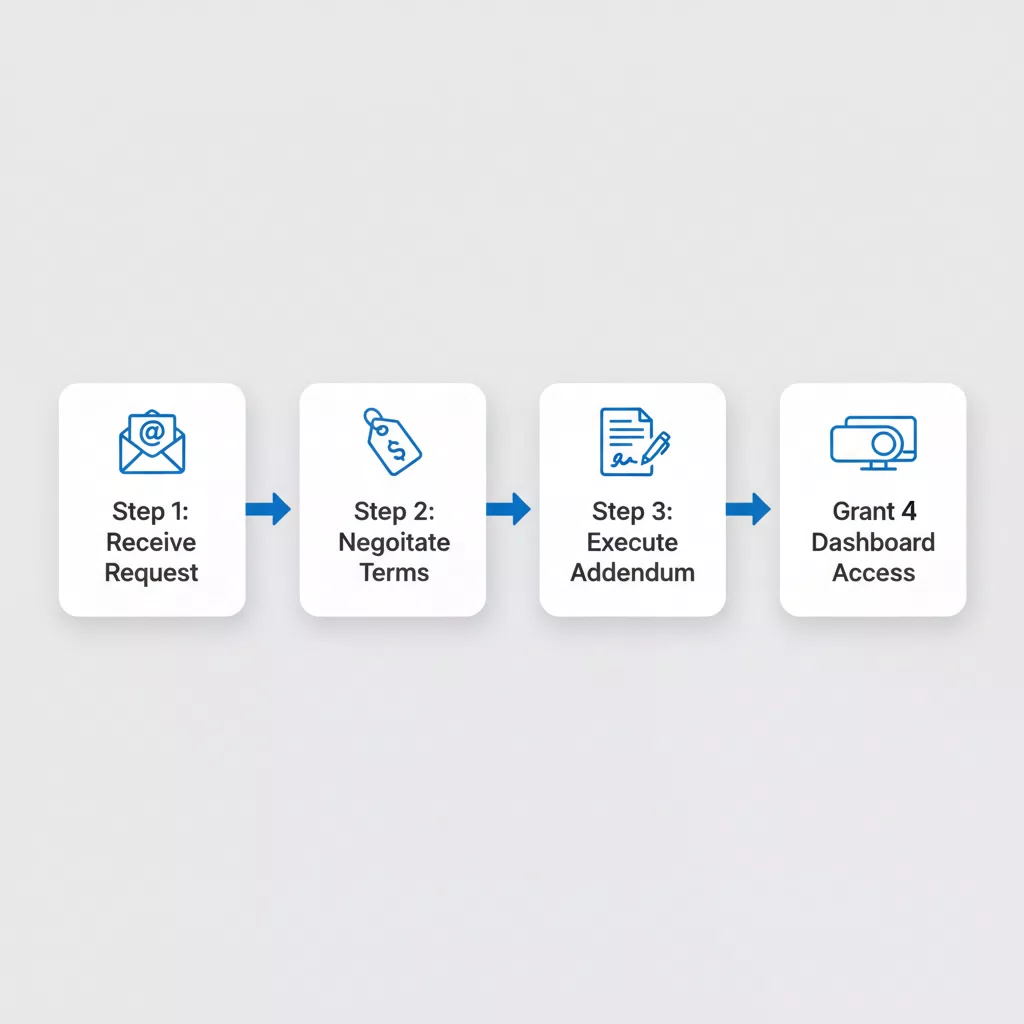
When a brand manager reaches out asking to boost your published video, pivot the conversation smoothly from a casual request to a business addendum.
The Post-Campaign Negotiation Response
Do not send access codes or approve platform permission requests before finalizing terms. Respond with a clear, professional email that outlines the pricing structure.
Sample Response Wording: "Hi [Brand Manager Name], glad to hear the organic video performed so well! We’d be happy to grant paid ad boosting rights for this campaign via YouTube Creator Partnerships Boost. Our standard post-campaign usage licensing fee is 25% of the original video rate per 30-day window ($1,000 per month for this campaign). Once we confirm the desired timeline and sign a brief contract addendum, I’ll grant access in the platform dashboard."
This response sets professional boundaries while keeping the deal positive and collaborative.
Essential Addendum Clauses to Protect Your Creator Channel
Before authorizing ad access in your platform dashboard, execute a simple contract addendum containing these core protective clauses:
- Strict Term Boundaries: State the exact start date and end date for ad amplification (e.g., October 1 to October 31).
- Asset Integrity Guarantee: Prohibit the brand from modifying your voice audio, adding unapproved text overlays, or editing the video without prior written approval.
- Access Revocation Rights: Mandate that access automatically terminates at the end of the term, with clear steps for removing platform permissions.
Key Takeaways for Managing Post-Deal YouTube Sponsorship Rights
Managing post-campaign requests requires clear legal boundaries and fair licensing fees. Keep these guidelines in mind for every post-deal ad request:
- Separate organic from paid: Organic integration does not equal unlimited ad usage.
- Charge duration-based fees: Scale your pricing based on 30-day increments (e.g., charging 25% of baseline deal rate per month).
- Protect raw assets: Require written consent and additional licensing before delivering raw
.mp4video files. - Execute an addendum: Always secure signed start/end dates and asset protection clauses before opening platform access.
FAQ
Can I Revoke Paid Ad Boosting Access If a Brand Runs Ads Past the Agreed End Date?
Yes. Include an access revocation clause in your contract addendum and disconnect permission through your platform dashboard if the brand fails to extend the contract.
Should I Charge Extra If the Brand Wants to Edit My YouTube Video into Short Ads?
Yes. Editing long-form content into custom Short ad cuts requires additional licensing fees and explicit asset editing approvals defined in your contract addendum.