How to Audit Q4 Sponsorship Deliverables Before Signing a Rush Contract
Think Q4 rush deals are always easy money? Here's something that might surprise you: signing a late sponsorship contract without auditing your deliverables can lock down your channel and ruin your peak revenue window.
What's the secret to protecting yourself? A strict pre-signature audit.
Before you sign a last-minute Q4 contract, you need to evaluate four critical areas: turnaround deadlines, exact deliverable scope, ad usage rights, and rush pricing structure. Quickly checking these terms prevents unpaid scope creep and keeps your posting schedule on track.
Quick Comparison: Standard Vs. Audited Q4 Rush Terms
| Audit Criteria | Standard Sponsorship Terms | Audited Q4 Rush Terms |
|---|---|---|
| Turnaround Time | 7–14 business days | 48–72 hours with strict approval windows |
| Revisions | 2–3 open edit rounds | Max 1–2 light edits (re-shoots billed extra) |
| Ad Usage Rights | Organic post included | Paid amplification (Spark/Partnership Ads) priced separately |
| Payment Terms | Standard base fee, Net 30–60 | Base fee + 25%–50% rush surcharge, 50% upfront deposit |
Here is how to audit your Q4 rush contract step-by-step before you sign.
Step 1: Audit Deliverable Scope and Production Timelines
When a brand approaches you five days before Black Friday, time is your biggest bottleneck. If you take seven days to produce a video that needs to go live in three, the campaign fails before it starts.
Verify Draft Submission and Brand Approval Windows
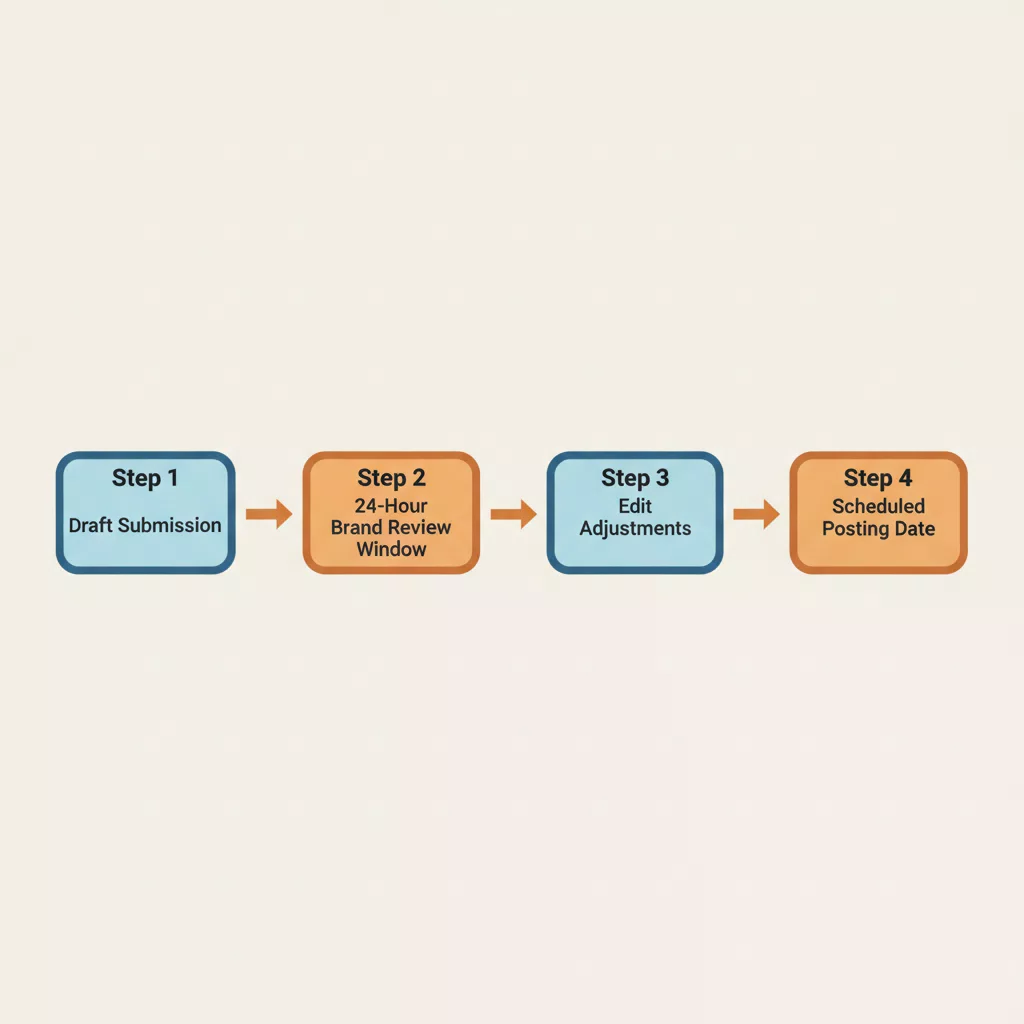
Brands often demand strict draft deadlines while staying vague about their own review times. If you submit a draft on Tuesday morning and the brand takes 72 hours to approve it, you will miss your high-traffic Friday posting slot.
Require the brand to commit to a tight feedback window directly in the agreement.
Sample Contract Clause: "Creator will deliver the initial video draft by November 24 at 9:00 AM EST. Brand agrees to provide consolidated feedback or approval within 24 hours of receipt. If Brand feedback is delayed beyond 24 hours, the scheduled posting date will shift forward day-for-day without penalty to Creator."
Cap Revision Rounds and Scope Expansion
Scope creep can destroy your entire holiday posting calendar. Without strict limits, a simple draft review can turn into three separate re-edits and a complete re-shoot.
Limit rush contracts to one round of minor edits. Define minor edits clearly: text overlay corrections, swapping audio tracks, or trimming clip lengths. Re-shooting entire scenes because a brand changes its mind about lighting or messaging must count as an extra deliverable with its own fee.
Step 2: Inspect Usage Rights, Whitelisting, and Exclusivity Clauses
Q4 is the highest CPM period of the year. If a contract restricts what you can post or grants endless ad usage without extra payment, you lose money.
Differentiate Organic Posts from Paid Ad Amplification
Never confuse an organic post on your feed with paid digital advertising. An organic post reaches your existing audience once. Paid ad rights allow brands to put advertising spend behind your face and content across social feeds for weeks.
For example, on TikTok, brands may ask to run Spark Ads using your native post. On Instagram, they might request Partnership Ads. On YouTube, they might ask for paid whitelisting through Creator Partnerships. Make sure your contract lists organic posting and paid ad usage as separate line items with distinct pricing.
Restrict Exclusivity Windows and Category Definitions
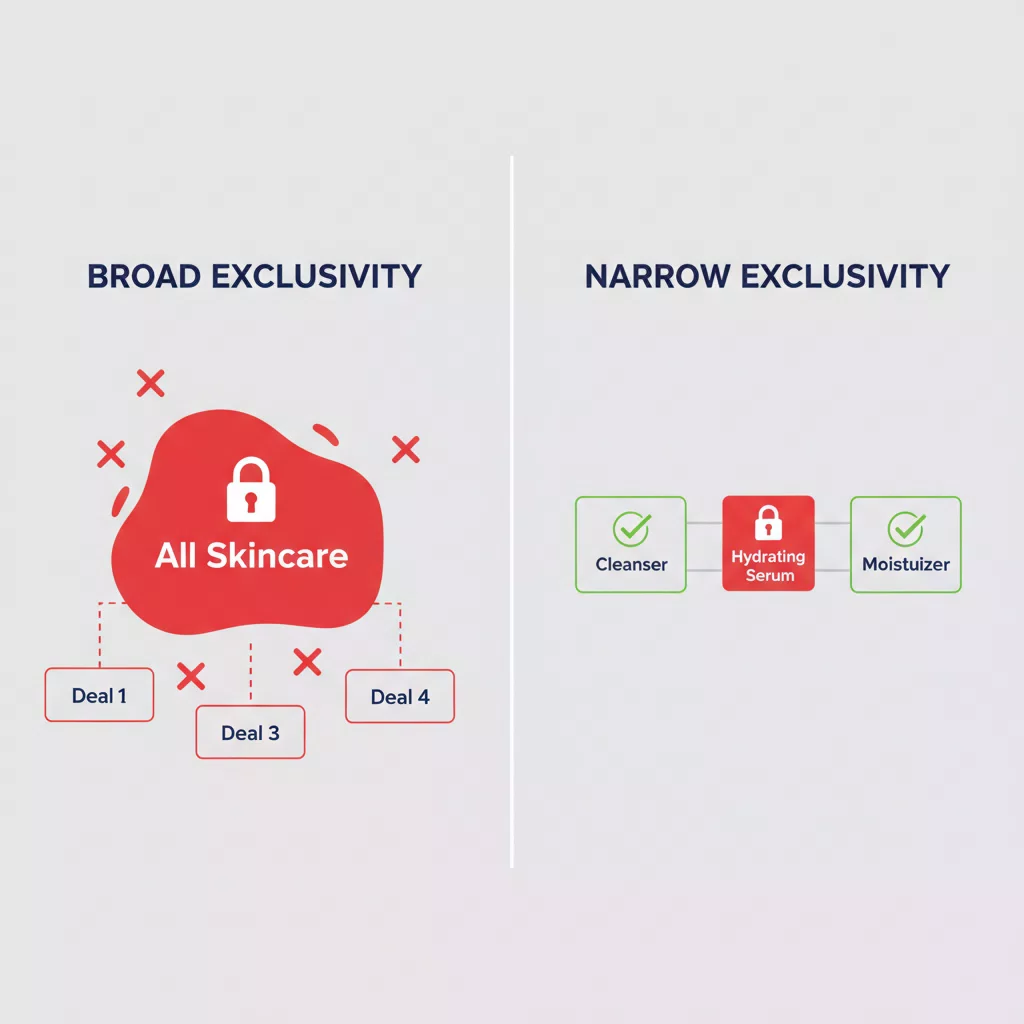
An exclusivity clause prevents you from working with competing brands. In Q4, an overly broad clause can block thousands of dollars in potential income.
If a brand selling a hydrating facial serum asks for exclusivity, do not let them lock down all "beauty products" or "skincare." Narrow the scope specifically to "topical hyaluronic acid serums" and shorten the window to 14 days around the campaign instead of 90 days.
Step 3: Calculate Rush Surcharges and Payment Protection
A rush job requires bumping other projects, working late, and re-arranging your content calendar. Your pricing must reflect that extra burden.
Apply a Rush Surcharge to Compressed Turnarounds
Standard turnaround for sponsored content is usually 7 to 14 business days. When a brand asks for delivery in 48 to 72 hours, add a clear rush surcharge to your base fee.
| Turnaround Window | Delivery Time | Recommended Rush Surcharge (Illustrative) | Example Total Fee (Base: $3,000) |
|---|---|---|---|
| Standard | 7–14 days | 0% | $3,000 |
| Priority | 4–6 days | +25% | $3,750 |
| Rush | 48–72 hours | +50% | $4,500 |
| Emergency | Under 48 hours | +100% | $6,000 |
Note: The figures in the table above represent an illustrative $3,000 base fee scenario for comparison purposes.
Enforce Upfront Deposits and Strict Net Terms
Waiting Net 60 days for a late November campaign means you will not see payment until late January. For rush contracts, change your billing terms.
Require a 50% non-refundable deposit before you film a single frame. Set the remaining 50% balance to Net 15 or payment upon draft approval, and add a 5% late fee for every 10 days an invoice is overdue.
Step 4: Streamline Brief Audits with CreaSeed AI Workflow
Managing contract details while producing content under tight holiday deadlines can quickly get overwhelming.
Assess Rate Viability with Account Valuation Tools
Before agreeing to a rush rate, verify that the brand's offer matches your current market reach. CreaSeed's Account Valuation breakdown analyzes your real-time engagement and audience growth. This helps you confirm whether an offer covers your base rate plus the required Q4 rush fee.

Automate Contract Paperwork and Keep 100% of Revenue
Instead of spending hours drafting revised scope terms or waiting on traditional agency managers who take a 20% cut, you can manage the negotiation directly.
CreaSeed provides a 24/7 chat interface to evaluate incoming brand briefs, draft custom turnaround terms, and process paperwork. Because CreaSeed operates on a zero-commission model, you keep 100% of your earnings on every holiday rush deal you sign.
Summary: Key Takeaways for Signing Q4 Rush Contracts
Before you sign any last-minute Q4 sponsorship contract, run through this quick pre-signature checklist:
- Confirm brand response windows: Require brands to review drafts within 24 hours.
- Cap revision rounds: Limit edits to one minor round; bill re-shoots separately.
- Separate organic and paid rights: Price Spark Ads, Partnership Ads, and whitelisting individually.
- Narrow exclusivity: Restrict product category definitions and limit exclusivity duration.
- Charge rush surcharges: Add 25% to 100% for turnaround times under 7 days.
- Collect upfront deposits: Secure 50% payment before beginning work on rush projects.
FAQ
What Happens If a Brand Delays Approving a Draft on a Q4 Rush Campaign?
If a brand delays approval past the agreed window (such as 24 hours), your contract clause should automatically shift the scheduled posting date forward day-for-day without penalty or charge a delayed review fee.
How High Should a Creator's Rush Fee Be for Q4 Brand Deals?
Standard illustrative rush fees range from +25% for 4 to 6 day turnarounds up to +50% or +100% for turnarounds required in 48 hours or less.
Should Creators Accept Net 60 Payment Terms on Late Q4 Sponsorships?
No. For Q4 rush deals, creators should request a 50% upfront deposit before starting production and enforce Net 15 or Net 30 terms for the remaining balance.