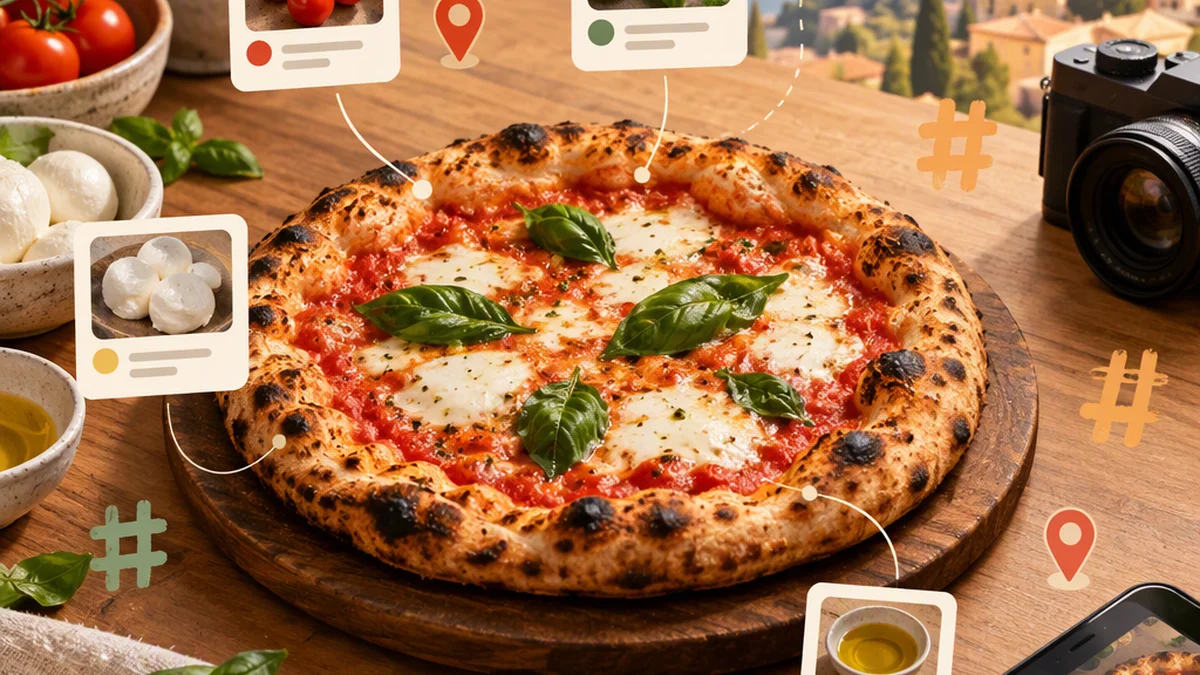
Pizza Hashtags: A Practical Guide to Choosing the Right Tags
The most useful pizza hashtags are specific to the post rather than simply the most popular. Combine one or two broad terms, such as #pizza or #foodie, with tags describing the pizza style, toppings, preparation method, dietary characteristics, location, occasion, or brand. Treat hashtags as labels that clarify your content and help relevant audiences find it—not as a guarantee of reach, engagement, or sales.
What Pizza Hashtags Do
A hashtag is a word or phrase preceded by the pound symbol. On social platforms, hashtags categorize posts and help people search for content related to a topic. For pizza content, #pizza identifies the broad subject, while #pepperonipizza describes the topping, #pizzadough signals an interest in preparation, and #ChicagoPizza or #AustinFoodie adds a local angle.
Hashtags can also help creators participate in communities and conversations. A pizzeria might use a distinctive branded hashtag to organize customer posts around a recurring feature, campaign, or community activity.
Hashtags are only one part of discoverability. The image or video, caption, location, profile context, audience response, and platform rules also matter.
A Practical Pizza Hashtag Formula
Build a relevant set by choosing from five layers:
- Broad category: Use one or two general terms such as #pizza, #foodie, or #foodphotography.
- Pizza type: Describe the style, such as #neapolitanpizza, #deepdishpizza, #thincrustpizza, or #homemadepizza.
- Topping, ingredient, or dietary detail: Add terms such as #pepperonipizza, #margheritapizza, #veganpizza, #vegetarianpizza, or #glutenfreepizza when they accurately describe the food.
- Location or community: Use a city, neighborhood, region, or local food term when location is relevant, such as #BrooklynPizza or #DenverEats.
- Occasion, format, or brand: Consider #pizzanight, #pizzarecipe, #pizzatutorial, #behindthescenes, or a clear branded hashtag.
This is a selection framework, not a mandatory quota. A recipe video may need preparation and ingredient tags, while a restaurant opening may need local and branded tags. Avoid adding a hashtag merely because it is popular.
Pizza Hashtag Ideas by Content Type
These are planning examples, not popularity rankings or performance claims. Start with the core tags, then add optional tags only when they match the food and the post.
Restaurant Dish Photo
Core tags:
#pizza #restaurantfood #foodphotography
Add when relevant:
#pepperonipizza #margheritapizza #diningout #takeoutpizza, plus an accurate city or neighborhood tag.
Homemade Pizza
Core tags:
#pizza #homemadepizza #homecooking
Add when relevant:
#pizzadough #fromscratch #pizzaoven #pizzanight #familydinner
Use #fromscratch when the preparation supports that description, and #pizzaoven when the oven is part of the content.
Margherita Pizza
Core tags:
#pizza #margheritapizza
Add when relevant:
#freshbasil #woodfiredpizza #foodphotography #homemadepizza
Use #woodfiredpizza only for a pizza cooked in a wood-fired oven.
Vegan Pizza
Core tags:
#pizza #veganpizza #plantbasedpizza #veganfood
Add when relevant:
#veganrecipes #homemadepizza #pizzatutorial, plus accurate topping or location tags.
Use recipe and tutorial tags only when the post provides a recipe or instruction—not simply a photo of the finished dish.
Pizza-Making Tutorial
Core tags:
#pizza #pizzatutorial #howtomakepizza #pizzamaking
Add when relevant:
#pizzadough #doughrecipe #pizzatechnique #pizzaoven #homebaking
Choose the optional tags for the technique actually demonstrated.
Local Pizzeria Post
Core tags:
#pizza #localpizza, plus an accurate city or neighborhood tag.
Add when relevant:
#supportlocal #restaurantlife #dinein #takeoutpizza, plus a distinctive branded hashtag.
Customer-Generated Content
Core tags:
#pizza, plus the restaurant’s branded hashtag if applicable.
Add when relevant:
#pizzanight #pizzalovers #foodie, plus accurate dish or location tags.
Do not use a dietary, ingredient, or preparation hashtag unless the food meets that description. In particular, use #glutenfreepizza only when the dietary claim is accurate and appropriate for the post.
How to Choose Pizza Hashtags Step by Step
-
Define the post’s primary subject. Identify what viewers should understand immediately: a pepperoni pie, a dough technique, a restaurant special, a local event, or a customer review. The first tags should describe that subject rather than the business’s entire menu.
-
Select a broad anchor. Start with a general term such as #pizza or #foodie. Broad tags describe a large topic but are less precise than niche terms.
-
Add specific descriptors. Choose tags for the style, topping, preparation method, or dietary characteristic shown. Examples include #deepdishpizza, #sourdoughpizza, #pizzadough, and #veganpizza.
-
Add a local layer when location matters. If the post is intended for nearby diners, consider a city or neighborhood tag and a relevant local food term.
-
Add an occasion or format tag. A family meal, recipe, and behind-the-scenes clip have different contexts. Choose terms such as #pizzanight, #pizzarecipe, or #behindthescenes only when they fit.
-
Decide whether a branded tag is useful. A short, distinctive branded hashtag can organize customer photos, a recurring feature, or a community challenge. Explain how customers should use it and review posts before resharing them.
-
Remove weak or misleading tags. Delete duplicates, unrelated trends, vague tags that add no context, and claims the post cannot support.
-
Review the caption as a reader. The tags should not obscure the offer, recipe, story, or call to action. Check spelling, local references, and whether every tag matches the image or video.
Broad Versus Niche Pizza Hashtags
Broad hashtags such as #pizza, #food, #foodie, and #restaurant identify a post for a wide audience. They are easy to understand, but a post can be less distinctive among many similar posts.
Niche hashtags narrow the subject. Examples include #detroitstylepizza, #pizzamaking, #margheritapizza, #veganpizza, and #pizzadough. They describe a smaller topic but can be more closely aligned with the content.
For example, a homemade Detroit-style pizza post might use:
#pizza #detroitstylepizza #homemadepizza
If the post also teaches dough preparation, add #pizzadough or #pizzatutorial. If it is only a finished-dish photo, leave instructional tags out.
Match Hashtags to the Platform and Format
Do not assume that the same hashtag list works or appears identically everywhere. Search behavior, recommendation systems, character limits, and audience habits differ by platform. Check current rules and presentation norms before publishing.
For short-form video, pair accurate subject tags with a caption that explains the visual hook: stretching dough, opening a hot oven, cutting a crisp crust, or showing a limited-time dish. Pizza Today’s April 2023 article discusses short-form video, live video, behind-the-scenes material, and customer participation as formats used by pizzerias. Treat it as dated industry guidance, not evidence of what is trending now.
For a static food photograph, prioritize the style, topping, location, and dining context. For a recipe post, prioritize ingredients and method. For a customer post, a branded community tag may be more useful than a long list of generic food terms.
Common Pizza Hashtag Mistakes to Avoid
- Using only #pizza: This identifies the subject but provides little detail about the dish, creator, location, or occasion.
- Copying the same block every time: Reusing a core brand tag can be sensible, but each post should include tags that match its specific subject.
- Adding unrelated popular terms: A hashtag that does not describe the content can confuse readers.
- Ignoring local intent: A neighborhood pizzeria seeking nearby attention should consider accurate local terms rather than using only broad food tags.
- Overloading the caption: Use only tags that add context, and keep the offer, recipe, or story easy to read.
- Treating tags as a substitute for content: Hashtags should support a useful post rather than compensate for an unclear image, weak caption, or irrelevant offer.
A Simple Review and Improvement Process
Create three reusable lists: broad pizza terms, specific food descriptors, and local or branded terms. Before each post, select only the terms that apply.
After publishing, review platform-provided analytics and audience feedback where available. Look for comments that show whether viewers understood the topic, saves or shares, profile visits, and local inquiries for location-based posts.
Do not treat one post as proof that a hashtag caused an outcome. Change one element at a time when possible—for example, the local tag set or the recipe-specific terms—and record the date, post type, chosen tags, and observations.
Periodically check a tag’s search results to see whether it still matches the intended topic or community.
FAQ
What Are the Best Pizza Hashtags?
There is no single best list for every post. Start with #pizza, then add accurate tags for the style, topping, method, dietary attribute, location, or brand. A local vegan pizzeria post needs different descriptors from a homemade dough tutorial.
How Many Pizza Hashtags Should I Use?
There is no fixed best number for every platform. Cuboh’s restaurant hashtag guide suggests 10–15 as a typical range, but that is editorial guidance—not a platform-wide rule. Follow your platform’s current limits and use only tags that describe the post.
Should a Pizzeria Use Local Hashtags?
Yes, when the post is intended for nearby diners or a city or neighborhood food conversation. Combine an accurate local term with pizza-specific descriptors rather than relying on a location tag alone.
Are Branded Pizza Hashtags Worth Using?
A distinctive branded hashtag can help organize customer photos, recurring features, or a campaign. Pizza Today describes branded hashtags as a way to track user-generated content and find customer posts for potential resharing. Make the tag easy to spell, explain how to use it, and review posts before resharing them.
Should I Use Trending Pizza Hashtags?
Only when the trend genuinely fits the post. Check the platform directly to confirm the tag’s current context rather than assuming an older hashtag list is still relevant.
Do Pizza Hashtags Guarantee More Reach or Sales?
No. Hashtags can help categorize content and support discovery, but content quality, audience fit, platform behavior, location, timing, and the account’s relationship with viewers also affect outcomes.