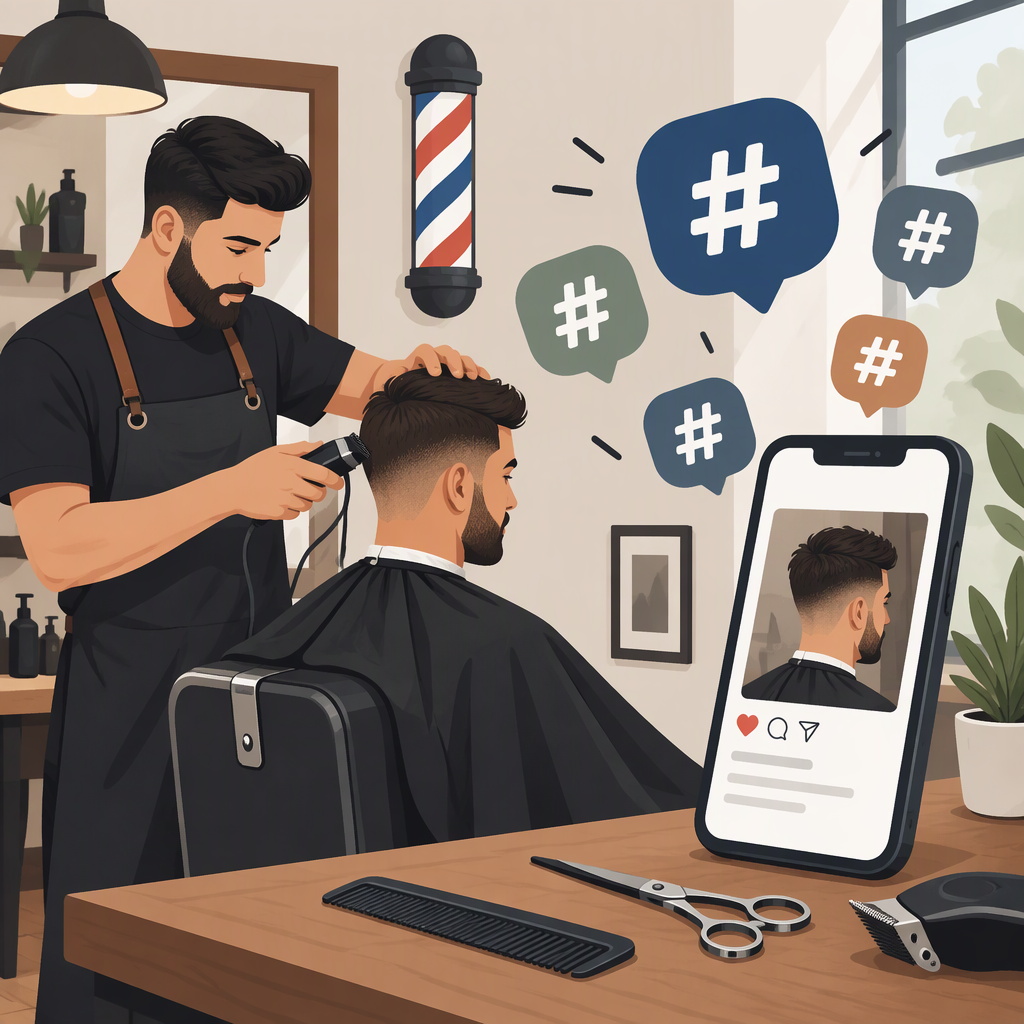
Best Barber Hashtags: Relevant Ideas for Your Next Post
Barber Hashtag Ideas to Start With
There isn’t one verified set of “best” barber hashtags for every post. Treat these as ideas to consider, not a ranking or a promise of reach. Barber hashtag lists include examples such as #barber, #barbershop, #barbering, #fade, #taperfade, #menshaircut, and #beardtrim. Use a tag only when it accurately describes what people can see or learn from your post. (barberstake.com)
- General barbering: #barber, #barbershop, #barbering
- Haircuts and techniques: #fade, #taperfade, #menshaircut
- Beard services: #beardtrim
- Local focus: Consider a location tag only if the post or intended audience is genuinely local. For example, use a city-and-barbering combination only if it clearly identifies the place and context.
These are descriptive examples, not verified as currently popular or high-performing. A hashtag list can suggest terms to investigate; it doesn’t show that using them will improve results.
Choose Tags That Match the Post
Start with the post itself: What haircut, technique, or service does it actually show? Choose a few accurate descriptions from those categories, rather than adding tags just because they sound broadly related to barbering.
For example, for a video that clearly shows a taper fade, you might consider #barber, #taperfade, and #menshaircut. For a post focused on beard trimming, #barbershop and #beardtrim may be more relevant. These are example combinations, not tested formulas.
Broad terms like #barber describe the general subject; a more specific term like #taperfade may describe the particular cut more precisely. Choose the specific term only when it fits. There’s no evidence here that one approach will reliably get more views or engagement than the other.
Check a Hashtag Before You Use It
- Search the exact tag on the platform where you plan to post. Look at the posts or results associated with it. TikTok’s help information describes searching for hashtags and exploring hashtag results; available features may vary. (support.tiktok.com)
- Check whether the results match your intended meaning. If a tag brings up unrelated content, it may not be a good description for your post.
- Review recent examples if the platform makes that possible. This can help you see whether people are using the tag in the context you intend. It still doesn’t prove the tag is popular overall or that it will help your post perform.
- Leave out anything that doesn’t fit. A haircut, service, or location tag should describe the content or audience—not merely fill space.
A quick contextual check tells you whether a hashtag appears relevant. It does not establish that the tag is currently trending, ranked among the “best,” or likely to increase reach. Those claims would need current evidence for the specific platform and audience.