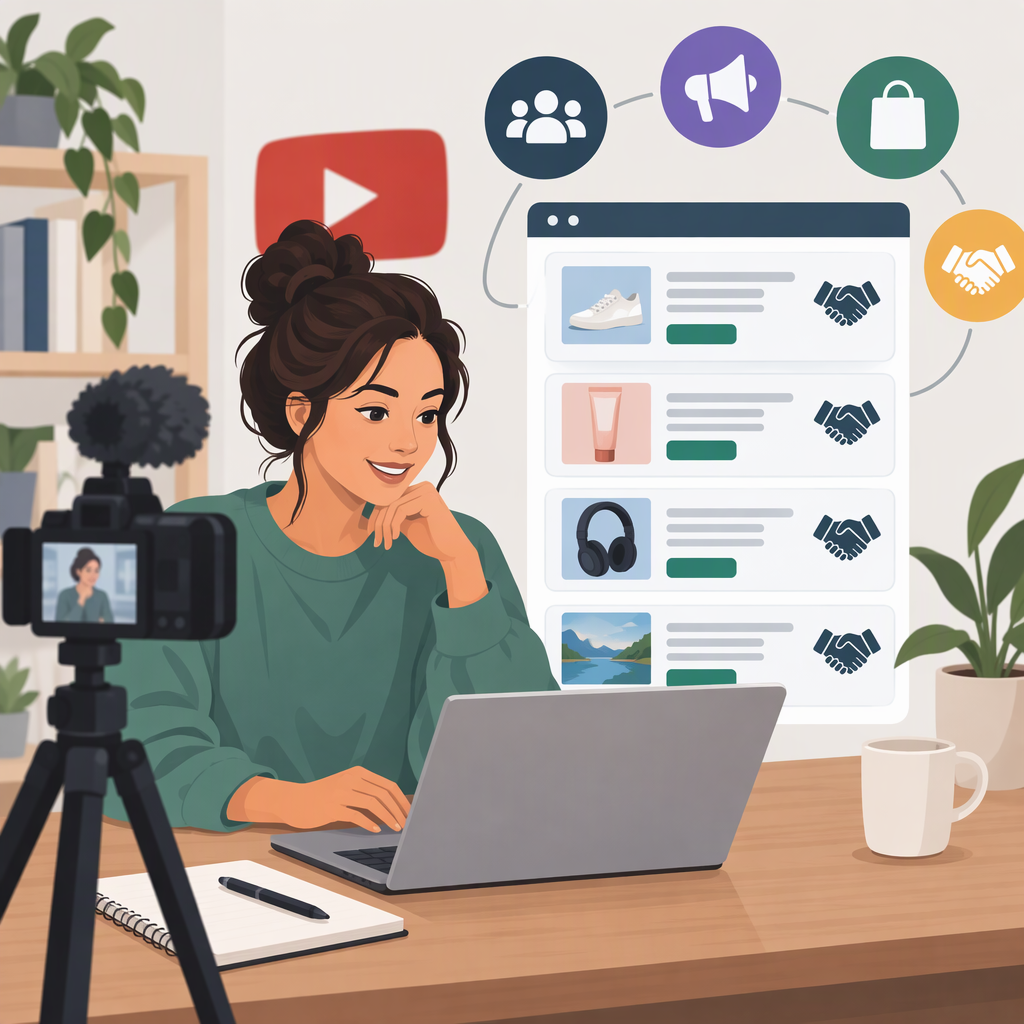
YouTube Influencer Websites: Where Creators Can Find Brand Deals
“YouTube influencer website” can mean a creator’s own website—such as a portfolio—or a place to find brand collaborations. Search results include both kinds of pages, so the phrase alone doesn’t settle the intent. This guide focuses on the second meaning: ways YouTube creators can pursue brand deals. If you meant a personal website, this isn’t a website-building guide. (htmlburger.com)
For U.S. creators, two practical starting points are YouTube Creator Partnerships in YouTube Studio, if your channel meets its requirements, and direct outreach to brands. YouTube also suggests contacting a brand through its website or reaching out to its marketing team. Neither route guarantees a response or a deal. (support.google.com)
Where to Look for YouTube Brand Collaborations
1. YouTube Creator Partnerships
YouTube Creator Partnerships is a brand-deal tool in YouTube Studio. Eligible creators may be discoverable to brands and receive campaign inquiries in the Partnerships tab. Creators can also set preferred rates for long-form videos and Shorts and add a business contact. (support.google.com)
To check access, sign in to the channel’s YouTube Studio and open Earn. YouTube says the Partnerships tab appears there when the feature is available to the creator. Eligibility includes being at least 18, being in the YouTube Partner Program, living in a supported country or region, having no active Community Guidelines strikes, and following YouTube’s policies. The United States is listed as a supported region. (youtube.com)
Best fit: creators who meet the eligibility requirements and want brand inquiries managed through YouTube Studio. Trade-off: this is not an open listing of guaranteed jobs; YouTube says creators may receive inquiries, and access depends on eligibility and regional availability. (support.google.com)
2. Direct Outreach to Brands
You don’t have to wait for a platform inquiry. YouTube’s creator guidance suggests using a brand’s website contact form, finding a marketing contact on LinkedIn, contacting the brand directly, or reaching out on X. (support.google.com)
A simple, hypothetical first note might say:
Hi [Name], I make videos about [topic] for an audience interested in [relevant detail]. I’m reaching out because [specific reason the brand fits]. If you’re considering creator partnerships, I can send channel information and a proposal. Is there a preferred contact or brief?
Personalize the message and keep any claims about your audience or results accurate. Best fit: creators who have a relevant brand in mind and are comfortable initiating the conversation. Trade-off: outreach takes research and follow-up; a brand may not reply.
3. A Creator’s Own Website Is a Different Option
A personal site can serve as a portfolio or contact point, but it is not itself a brand-collaboration marketplace. If that is what you meant by “YouTube influencer website,” look for portfolio and personal-brand website examples rather than deal-finding services. (htmlburger.com)
How to Compare Your Options
| Route | How you pursue a deal | Main condition or trade-off |
|---|---|---|
| YouTube Creator Partnerships | Check YouTube Studio → Earn → Partnerships; eligible creators may receive inquiries and manage them in Studio. | Requires eligibility and regional availability; inquiries are not guaranteed. (support.google.com) |
| Direct outreach | Contact a relevant brand through its site or a suitable marketing contact. | You choose whom to approach, but you handle the research and follow-up. (support.google.com) |
| Your own website | Use it to present your creator work or contact details. | It is a personal web presence, not proof that brands are offering campaigns there. (htmlburger.com) |
Before signing up for any third-party service, check its current creator eligibility, country coverage, and terms. This guide does not rank or verify third-party marketplaces or their fees, so don’t assume access is free—or paid—without checking the service’s own terms.
What to Verify Before Applying or Accepting
Before applying, confirm that the opportunity accepts your channel, location, and content format, and read the campaign brief and participation terms. Before accepting, get the key agreement details clear in writing: what you must create, when it is due, what you will be paid or receive, and any conditions on how the brand may use the content. These are practical questions to resolve for the specific offer, not a promise that every service uses the same terms.
If you publish branded content, YouTube says to mark the paid-promotion declaration in Studio. YouTube’s label does not replace your responsibility to make any required disclosure clear and prominent. The FTC says influencers should disclose relevant brand relationships—including receiving something of value—and offers guidance on how to disclose in social media content. (support.google.com)
Bottom Line
For a U.S. YouTube creator seeking brand deals, start by checking YouTube Studio → Earn → Partnerships if you may qualify. If the feature isn’t available to you—or you already have a suitable brand in mind—consider direct outreach. Treat a creator’s personal website as a separate meaning of the search phrase, and review each specific campaign’s eligibility, terms, and disclosure requirements before committing.