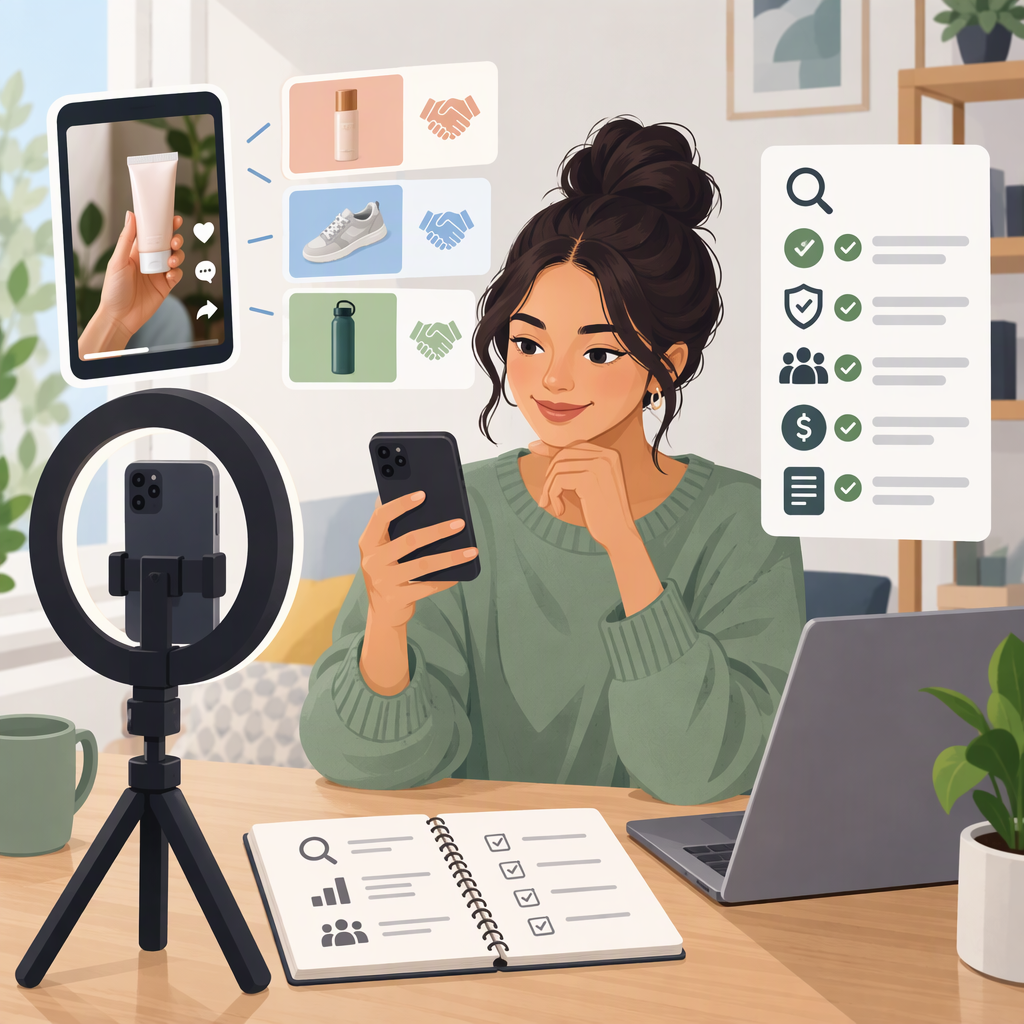
Paid Collaboration on TikTok: How to Find and Evaluate Brand Deals
Creators can look for paid TikTok collaborations through TikTok One, direct outreach to relevant brands, and creator agencies or marketplaces. Before accepting, check that the contact and offer are genuine, the work fits your audience, and the compensation and usage terms make sense for the scope. Put the agreement in writing, and check TikTok’s and your location’s disclosure requirements before posting.
1. Find Opportunities and Prepare to Pitch
Check TikTok One
TikTok One is TikTok’s platform for creators, advertisers, and brands to collaborate. TikTok describes it as a place to find business opportunities, apply to open projects, and be matched with opportunities. Availability and eligibility can depend on your country or region and the particular opportunity. TikTok’s creator guidance says creators must be at least 18 and meet its Community Guidelines and Branded Content Policy; its general help page also lists account and activity criteria while noting that follower and age requirements can vary by region. So, treat the eligibility check shown in your account—not a number quoted out of context—as the practical starting point. (ads.tiktok.com)
To check access, TikTok’s help page describes this path in the app: Profile → Menu ☰ → TikTok Studio → Monetization → Creator Marketplace → Check eligibility. If the feature is available to you and you qualify, follow the in-app steps to join. Menu labels and access can change, so use TikTok’s current instructions if your screen differs. (support.tiktok.com)
Make a Short List of Brands to Contact
You don’t have to wait for an invitation. Make a list of brands whose products genuinely relate to your content and audience. Look at the kind of videos you already make, who they appear to serve, and whether you could discuss the product honestly. A smaller, well-matched list makes it easier to send specific pitches instead of generic requests.
Before reaching out, prepare:
- A one- or two-sentence description of your content and audience.
- Links to a few relevant TikToks that show your style and subject matter.
- A clear idea of what you could make, such as one short video or a particular series concept.
- A professional contact method and a simple way to discuss scope and payment.
You can also investigate established creator agencies or marketplaces, but check their terms before signing up or sharing personal information. Don’t assume a listing guarantees a deal, or that a platform’s presence alone verifies every person who contacts you.
Send a Specific, Low-Pressure Pitch
A useful first message is brief: identify yourself, explain why the brand fits your content, suggest one possible collaboration, and ask who handles creator partnerships. For example:
Hi [Name/Team] — I make TikTok videos about [topic] for an audience interested in [relevant interest]. I’m reaching out because [specific reason the brand fits]. I’d be interested in discussing a paid TikTok collaboration, such as [brief content idea]. Here are a few relevant examples: [links]. If this is a fit, could you share the expected deliverables, timing, usage needs, and budget range?
This is an illustrative template, not a tested script or a guarantee of a response. Tailor it to the brand; don’t claim audience results or product experience you can’t support.
2. Check Fit and Verify the Offer
Before deciding, separate two questions: Would this be a good collaboration? and Is the person making the offer really authorized to do so? A positive answer to one doesn’t establish the other.
Assess Whether the Work Fits
Ask yourself:
- Audience and product: Is the product relevant to the people who watch your content? Could you explain the connection naturally?
- Honest endorsement: Can you describe the product accurately and share only opinions or claims you can support?
- Workload: What exactly must you create, how many versions or posts are expected, and how much production time will that take?
- Compensation: Does the proposed payment make sense for the work, timing, revisions, and any extra rights the brand wants? There is no single rate that fits every creator or brief.
- Timing and process: Are the deadline, approval steps, and payment timing clear and workable?
- Rights and restrictions: Does the brand want exclusivity or permission to reuse, edit, or promote your video? For how long and where?
A recognizable brand name or promised exposure doesn’t, by itself, tell you whether the offer is worthwhile. Compare the actual work and terms with what you would give up or take on.
Verify Unfamiliar Contacts Before Sharing Information
The FTC has warned about fake “brand ambassador” offers in which an unsolicited contact claims to represent a familiar company, promises products and payment, and rushes the creator to provide personal or banking information. Its advice is to research the company and confirm the offer using a contact method you independently know belongs to the company—not contact details supplied only by the person who approached you. A personal email, account, or phone number claiming to represent a company is a reason to pause and verify; it is not, by itself, proof of fraud. If you can’t confirm the offer, the FTC advises walking away. (consumer.ftc.gov)
Practical checks:
- Look up the company independently and contact it through a channel listed on its official site.
- Ask the representative to confirm the campaign and their role through that verified channel.
- Request a written brief identifying the brand, deliverables, compensation, deadlines, and intended use of the content.
- Don’t send sensitive personal or financial details just because someone says they need them to make an offer. Confirm who is requesting the information and why before sharing it.
Unclear terms call for questions. Pressure to act before you can verify the offer is a reason to stop and check—not a reason to rush.
3. Agree on the Important Terms Before You Accept
Get the material terms in writing, whether in a contract, campaign brief, or another clear written agreement. At minimum, settle:
| Term | What to clarify |
|---|---|
| Deliverables | How many TikToks or other assets, format, platform, and any required tags or links? |
| Deadline | When are drafts, revisions, and final posts due? When should the content go live? |
| Compensation | What is the amount, currency, and payment method? Is it a flat fee, commission, product, or a combination? |
| Payment timing | What triggers payment, and when is it due? What happens if the campaign is delayed or canceled? |
| Review and revisions | Does the brand review the content before posting? How many revision rounds are included, and what can it ask to change? |
| Exclusivity | Which competing products or brands are covered, for what time period, and on which platforms? |
| Content usage | Can the brand repost, edit, run the content as an ad, or authorize others to use it? For how long, in which places, and on what channels? |
| Disclosure and claims | What disclosures and product claims are expected, and who will confirm that claims are accurate and permitted? |
For example, “one TikTok video” is not a complete description if the brand also expects multiple edits, a long exclusivity period, or permission to use the video in paid advertising. Ask for those terms explicitly, then decide whether the compensation and scope still work for you. This is a negotiation checklist, not legal advice or a standard contract.
4. Disclose the Relationship When You Post
TikTok says creators must turn on its commercial content disclosure setting when posting content that promotes a brand, product, or service. Its instructions describe selecting Branded content in the post’s disclosure settings; TikTok says a post may be removed or restricted if the proper disclosure is missing. TikTok also notes that exact legal requirements vary by country. Follow the current in-app and official instructions for your post type. (ads.tiktok.com)
For creators whose posts may affect U.S. consumers, FTC guidance says a material connection can include payment, free or discounted products, or other value—not just cash. The FTC says the relationship should be made obvious and the disclosure should appear with the endorsement, where people can see and understand it. TikTok’s platform label and any applicable legal disclosure are related, but don’t assume that using a platform setting settles every disclosure obligation in every location or situation. Check the rules that apply to your audience and location. (ftc.gov)
5. Decide: Accept, Ask for Changes, or Decline
Use a simple decision path:
- Accept when you’ve verified the contact, the work fits, and the written terms are clear and workable.
- Ask for changes when the opportunity seems genuine but the scope, payment, deadline, revisions, exclusivity, or usage rights need clarification.
- Decline when you can’t verify who is contacting you, can’t honestly support the endorsement, or the final terms don’t work for you.
Before you commit, make sure you can answer: What am I making? What am I being paid, and when? What rights am I granting? What disclosure do I need? If any answer is missing, ask before you agree or publish.