Clothing Brands That Work with Micro Influencers: Leads and Evidence
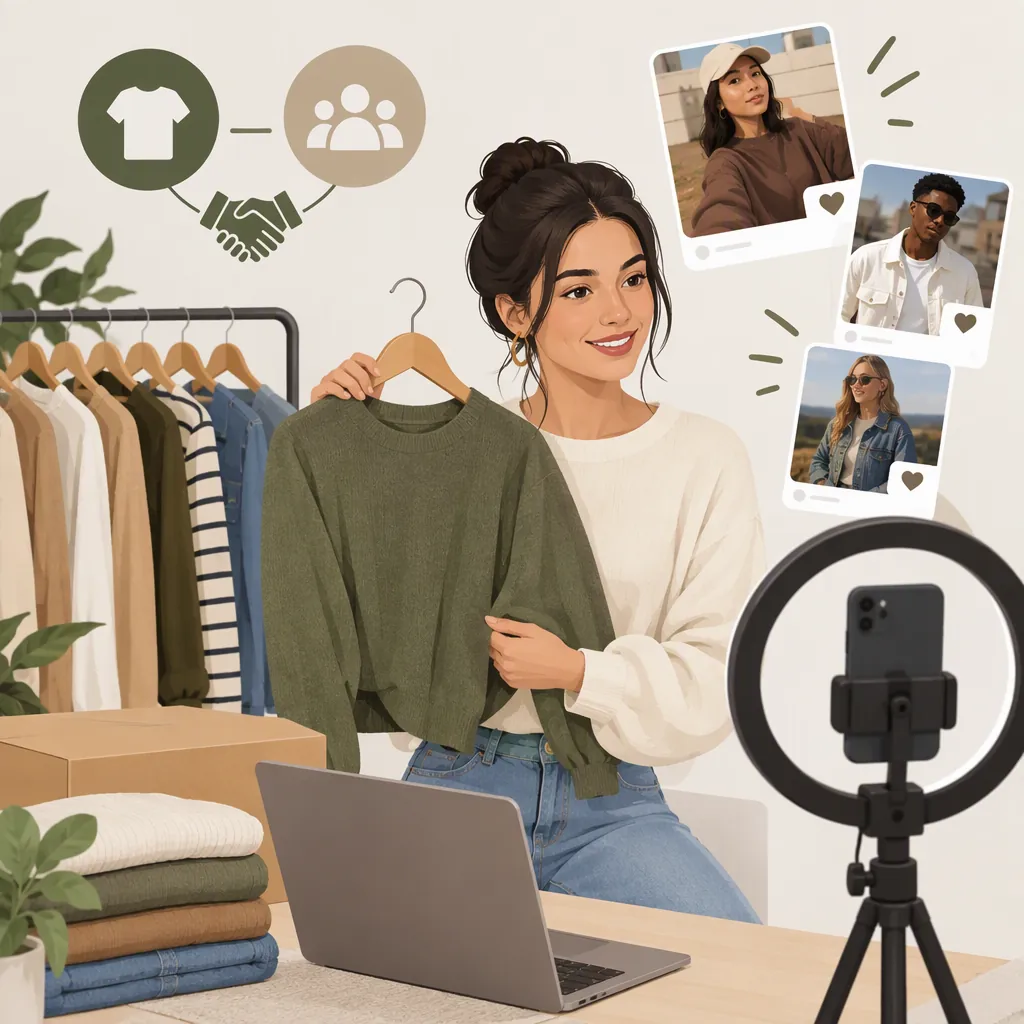
Clothing brands worth researching include ASOS, Banana Republic, Everlane, Fabletics, Fashion Nova, Gymshark, Knix, and Thinx. PitchBrand lists these brands in its fashion and apparel guide for UGC creators and micro influencers. Treat them as research leads—not confirmed open campaigns or guaranteed paid partnerships. The provided sources do not establish current brand-specific eligibility, budgets, or application availability. [c1]
Clothing Brand Leads to Research
The following shortlist comes from PitchBrand’s fashion and apparel section. Its descriptions are secondary-source reports, not independently verified brand policies. Use the suggested content angles to assess fit; they are editorial ideas, not campaign briefs. [c1]
| Brand | What the Reference Reports | Content Angle to Evaluate |
|---|---|---|
| ASOS | Works with fashion influencers across diverse styles. | Styling one item in several outfits for a clearly defined audience. |
| Banana Republic | Collaborates with fashion influencers on collections and styling content. | Workwear combinations or a capsule-wardrobe demonstration. |
| Everlane | Works with creators focused on sustainability and timeless style; the guide mentions an affiliate program. | Repeat-wear styling, with any environmental claims checked separately. |
| Fabletics | Sends PR to fitness micro influencers and has ambassador programs. | Activewear styling or a workout-focused content concept. |
| Fashion Nova | Uses influencer marketing, including gifted clothing and paid posts. | Trend-focused outfit videos relevant to your existing audience. |
| Gymshark | Has an Athlete program associated with gear, discounts, and sponsorships. | Fitness content that demonstrates your creative approach and audience fit. |
| Knix | Works with creators around body positivity and intimate apparel. | Thoughtful styling or educational content within your comfort boundaries. |
| Thinx | Works with creators on testimonials and educational content. | A carefully scoped educational concept without unsupported performance claims. |
The reference does not establish that every listed brand accepts unsolicited applications from small creators. A reported ambassador or affiliate program also does not establish that a paid sponsored-post opportunity is available. [c1]
Separate Clothing Leads from Accessory Leads
Many broad micro-influencer lists mix clothing with jewelry, watches, beauty, and other categories. Creator Hero’s list includes Mejuri, Daniel Wellington, and Pura Vida Bracelets, but these are accessory leads rather than clothing-brand examples. The article describes affiliate or ambassador arrangements for them; those descriptions do not verify present-day terms. [c2]
Accessory collaborations may still fit a fashion portfolio. Keep them in a separate research category so that a jewelry opportunity does not get mistaken for an apparel partnership. Likewise, a beauty collaboration is not evidence that a clothing brand will hire you.
For each lead, label both the product category and the reported collaboration type. This makes a shortlist more useful than a long list of unrelated names.
Verify the Opportunity Before Treating It as Open
PitchBrand recommends checking brand websites for ambassador, influencer, or collaboration information and explicitly advises checking the latest campaign needs. That is an important limitation of any published brand list. [c1]
Use a simple evidence hierarchy:
- A secondary-source mention is a lead. It gives you a name to investigate, not proof of an available deal.
- An official program page is stronger evidence. Check its region, eligibility, compensation model, and application status.
- A campaign brief describes a specific opportunity. Review the dates, deliverables, selection criteria, and terms.
- A written agreement defines your obligations. Do not infer payment or usage permissions from a social post or a product shipment.
Record the date you checked each lead. If you cannot find current official information, mark the opportunity as unverified rather than open. The supplied references do not include official program pages for the clothing brands in the shortlist.
Brand Opportunity Verification Sheet
| Field | Entry |
|---|---|
| Brand and product category | [Name; apparel, footwear, or accessories] |
| Secondary-source lead | [Source and reported arrangement] |
| Official information checked | [Page or public account checked] |
| Date checked | [Date] |
| Status | [Open, closed, unclear, or unverified] |
| Region and eligibility | [Confirmed requirements or unknown] |
| Compensation | [Cash, product, commission, combination, or unknown] |
| Deliverables and deadlines | [Confirmed scope or unknown] |
| Content usage and exclusivity | [Confirmed terms or unknown] |
| Unresolved questions | [Questions requiring written clarification] |
Distinguish Gifted, Paid, and Affiliate Work
Social Cat’s creator page describes three collaboration types: gifted campaigns involving products in exchange for content, paid campaigns involving direct payment for content, and affiliate campaigns involving commissions on referred customers. These are the platform’s descriptions, not confirmed terms for any clothing brand above. [c3]
For evaluation purposes, keep the models separate:
- Gifted: Record the product offered, required content, shipping arrangements, and whether you would accept the work without cash compensation.
- Paid: Clarify the fee, payment timing, deliverables, revisions, and cancellation terms.
- Affiliate: Clarify the commission rules, attribution period, exclusions, returns, and payout conditions. Do not budget commissions as guaranteed income.
- Content licensing or UGC: Ask whether the brand wants publication to your audience, content for its own channels, or both. List any requested advertising use separately.
Before accepting a proposal, make the scope explicit: posting requirements, deadlines, approvals, content rights, exclusivity, and disclosure responsibilities. A product offer alone is not enough information to evaluate the exchange.
Collaboration Scope Checklist
- Compensation: [Cash, product, commission, or combination]
- Deliverables: [Format, number, platform, and publication requirement]
- Timeline: [Delivery and posting dates]
- Review process: [Approval steps and included revisions]
- Usage: [Channels, duration, territory, and advertising permissions]
- Exclusivity: [Restricted categories and duration]
- Payment: [Due date and conditions]
- Disclosure responsibilities: [Requirements to confirm]
- Cancellation: [Terms and responsibility for completed work]
- Outstanding questions: [Items not yet agreed]
Show Your Value Without Inflating Your Results
Creator Hero recommends a portfolio, content examples, audience demographics, reach, and engagement metrics when presenting a smaller creator’s work. These are useful categories for a proof package, but the article’s broader performance claims should not be treated as guarantees about your account. [c2]
Build a compact evidence sheet around what you can actually document:
- Audience fit: Describe your content niche and include available audience location or demographic data. Mark missing information as unavailable.
- Relevant work: Select a few clothing-focused examples that demonstrate styling, clear presentation, and production quality.
- Measured performance: Label the platform, reporting period, and metric. Keep views, reach, impressions, and engagements distinct.
- Calculation transparency: If you calculate an engagement rate, show the numerator, denominator, and posts included. Avoid comparing rates calculated differently.
- Creative relevance: Explain one content concept and why it fits your audience. Present it as a proposal, not a promised outcome.
You can use self-initiated portfolio samples if you lack brand deals. Label them as independent samples, not past collaborations. Do not invent sales attribution, customer testimonials, or campaign results.
Fashion Creator Evidence Sheet
Content niche: [Specific audience and clothing focus]
Platform and reporting period: [Platform; dates]
Audience information: [Available data; unavailable fields labeled]
Relevant samples: [Sample titles or portfolio paths]
Relationship labels: [Independent sample, gifted work, or paid collaboration]
Performance: [Actual metrics with definitions and reporting periods]
Engagement calculation, if used: [Numerator ÷ denominator × 100; included posts]
Proposed concept: [Format, styling idea, and audience relevance]
Deliverable scope: [What you can produce]
Limitations: [No verified sales data, incomplete demographics, or other gaps]
Treat Marketplace Eligibility as Platform-Specific
A creator marketplace is another research route, but access to a platform is not proof that a particular clothing brand has an active campaign there.
Social Cat’s supplied creator page describes campaign browsing and direct invitations. It lists a public Instagram or TikTok profile, at least 3,000 followers on the primary platform, content-quality requirements, and an expectation that creators show their face and speak on camera. It also states availability in the United States, United Kingdom, Australia, and Canada. These are Social Cat’s stated criteria—not universal requirements for clothing collaborations. [c3]
Check platform criteria and individual campaign requirements separately. Do not assume that acceptance into a marketplace guarantees invitations, compensation, or a fashion-specific match.
FAQ
Which Clothing Brands Are Leads for Micro Influencers?
PitchBrand lists ASOS, Banana Republic, Everlane, Fabletics, Fashion Nova, Gymshark, Knix, and Thinx in its fashion and apparel guide. These are secondary-source leads. The supplied evidence does not confirm current openings, acceptance criteria, or paid budgets for these brands. [c1]
How Many Followers Do I Need for a Clothing Collaboration?
The supplied references do not establish a universal minimum for clothing-brand partnerships. Social Cat states a minimum of 3,000 followers on a creator’s primary platform, alongside other requirements, but that threshold applies to its platform rather than every brand. Check the specific opportunity’s criteria. [c3]
Does a Gifted Collaboration Include Cash Payment?
Do not assume it does. Social Cat distinguishes product-for-content gifted campaigns from paid campaigns and commission-based affiliate campaigns. A particular offer may combine compensation types, so identify each part explicitly in the agreement. [c3]
What Can I Show If I Have No Previous Brand Deals?
A useful starting point is a clearly labeled portfolio of independent clothing-content samples, available audience data, and actual performance metrics. Creator Hero recommends portfolios and metrics as ways to demonstrate creator value. Never present an independent sample as a commissioned collaboration. [c2]