How to Find and Evaluate Brand Collaborations on Facebook
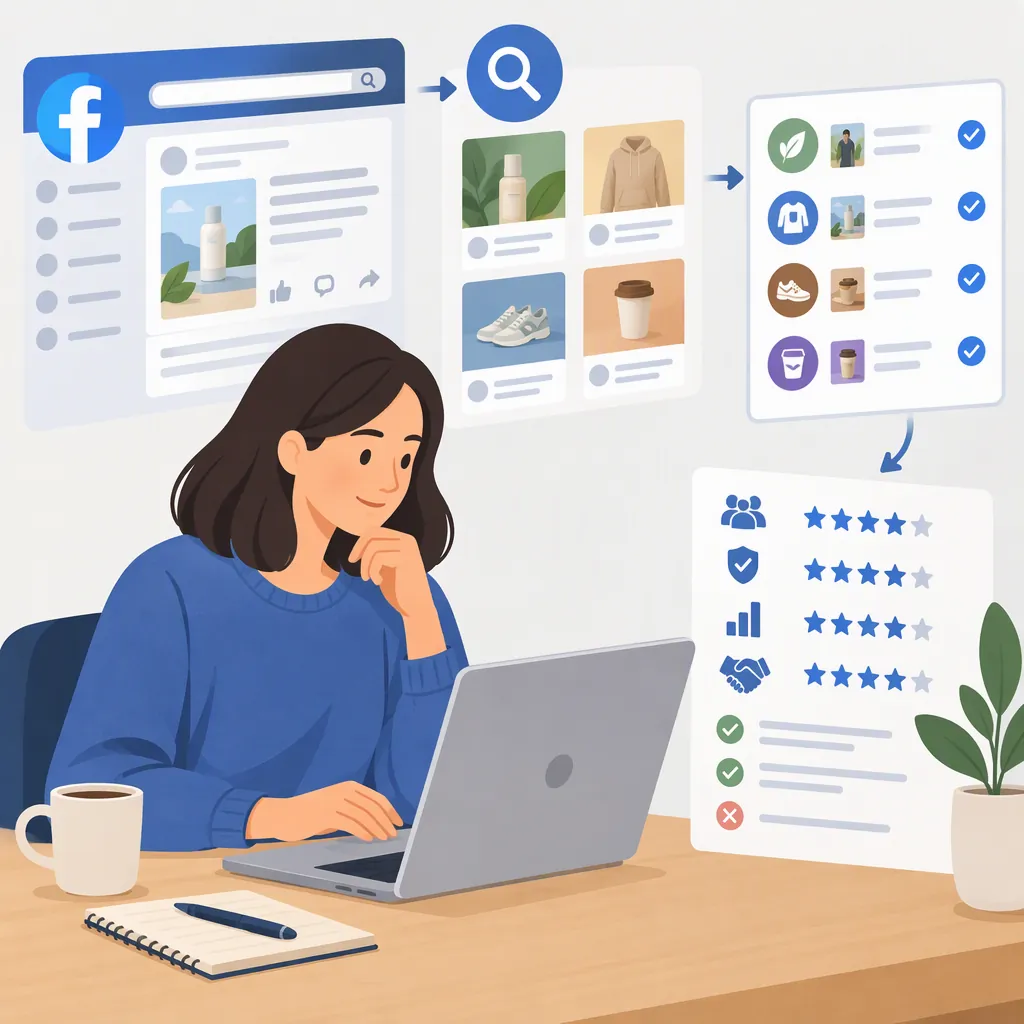
To find a brand collab on Facebook, build a shortlist from public brand Pages, relevant public communities, and visible sponsored content. Evaluate each lead for audience fit, an identifiable business contact, clear compensation, deliverables, and content rights before treating it as an opportunity. Creator Hero describes portfolio-building and personalized pitching as ways to pursue partnerships, but the supplied sources do not independently verify current Brand Collabs Manager availability or eligibility. [c2]
Understand What the Sources Actually Confirm
Facebook Brand Collabs Manager and a Facebook brand collaboration are not interchangeable: a collaboration is the proposed commercial relationship, while Brand Collabs Manager is a tool described in the supplied reporting.
Social Stand reported in December 2020 that Facebook expanded Brand Collabs Manager to Public Groups. Its account described listings containing audience demographics, group descriptions, and sample posts. This is historical evidence, not confirmation that the same tool or access process is available today. [c1]
Creator Hero’s May 2026 guide describes creator portfolios, brand discovery, eligibility criteria, and a signup process. It is a third-party guide rather than current official Meta documentation. Do not treat its follower thresholds, interface steps, or review timelines as verified requirements for your account. [c2]
The supplied Facebook group URL resolves to a login screen. It provides no public evidence of the group’s posts, moderation, membership quality, or available deals. It therefore cannot support a recommendation of that group. [c3]
Source-Checking Checklist
- Record the source URL and publication date.
- Separate historical tool descriptions from current account availability.
- Mark login-only content as unreviewed.
- Treat a third-party eligibility list as provisional.
- Confirm available features and requirements in Facebook before relying on them.
Build a Shortlist from Public Evidence
Use public Facebook material as a research starting point, not proof that a brand is hiring creators. A practical search sequence is:
- Define the fit. Write down your content topic, intended audience, geographic relevance, and preferred collaboration format.
- Search for relevant brands. Review public Pages for products, campaign themes, and a publicly listed business contact.
- Look for collaboration examples. Where visible, note sponsored posts and how the creator’s content relates to the brand. An existing partnership does not establish an open opportunity.
- Review public community posts. Search relevant communities for collaboration requests, but distinguish the poster’s claims from independently checkable information.
- Record what is missing. A post without a named business, defined scope, or contact route remains an unverified lead.
Creator Hero recommends a clear niche, content examples, contact information, and personalized pitches. These are useful preparation ideas, not a guarantee of discovery or paid work. [c2]
Public Lead Tracker
| Field | What to Record |
| --- | --- |
| Brand or requester | Publicly displayed business name |
| Source | Exact public post or Page URL |
| Date reviewed | Your research date |
| Audience fit | Specific overlap with your topic and audience |
| Collaboration evidence | Visible example or explicit request; otherwise unknown |
| Contact route | Publicly listed business contact, if available |
| Missing information | Budget, scope, timeline, rights, or identity gaps |
| Status | Research only, needs clarification, or ready for terms review |
Evaluate Fit, Identity, and Deal Terms
Separate two questions: Is the requester identifiable? and Is the proposed deal suitable? A recognizable brand name does not answer the second question, and an appealing budget does not resolve the first.
Use the review worksheet below before making a commitment. It is an editorial decision aid, not a platform rule or a validated scoring system. Mark missing information as unknown rather than assuming favorable terms.
Creator Hero describes negotiating content type and compensation as part of collaboration discussions. The worksheet expands that basic review into questions about practical obligations and permissions; it does not establish standard rates or contract requirements. [c2]
For identity checks, compare the requester’s details with the brand’s public business information. If authority remains unclear, pause the review. Avoid sharing passwords, login codes, or unnecessary personal information as part of a collaboration discussion.
Collaboration Review Worksheet
| Review Area | Question to Resolve |
| --- | --- |
| Identity | Who is commissioning the work, and how can their authority be checked? |
| Audience fit | Why is this product or campaign relevant to the audience? |
| Deliverables | Which formats, quantities, publication dates, and revision rounds are expected? |
| Compensation | Is the offer cash, products, commission, or a combination? What are the payment conditions? |
| Content rights | May the brand reuse, edit, or advertise with the content? For how long and where? |
| Exclusivity | Which competing brands or categories are restricted, and for what period? |
| Approvals | Who approves the work, and what happens if approval is delayed? |
| Disclosure | How will the commercial relationship be made clear? |
| Cancellation | What happens to completed work and payment if the campaign stops? |
| Decision | Proceed to clarification, pause for verification, or decline based on a stated concern? |
Prepare a Proposal Without Inventing Performance
A proposal should explain the audience connection and the work being offered. Creator Hero recommends including a short introduction, audience information, relevant metrics, and content examples in pitches or media kits. [c2]
Use only information you can substantiate. Label the date range and measurement method for any performance figures you choose to share. Do not present someone else’s campaign results as your own, infer private audience demographics from comments, or describe unpaid work as a paid brand partnership.
If you have no completed collaborations, describe a proposed concept rather than implying past client experience. Keep deliverables separate from outcomes: producing a post is an obligation you can define; achieving a particular sales result should not be presented as certain.
Proposal Outline
Creator or publisher: [Name and public Facebook presence]
Content focus: [Specific topic]
Audience relevance: [Evidence-backed connection to the brand]
Relevant examples: [Public URLs; label independent work accurately]
Proposed concept: [What the content would cover]
Deliverables: [Format, quantity, and provisional schedule]
Performance evidence: [Verified figures with dates and definitions, or omit]
Compensation model: [Proposed structure; distinguish cash, products, and commission]
Terms to clarify: [Usage rights, revisions, exclusivity, approvals, and payment]
Disclosure plan: [How the commercial relationship would be made clear]
Check Disclosure Before Publishing
Creator Hero describes Facebook branded content as content featuring or influenced by a business partner in exchange for value, including payment or free products. It also describes a “Paid Partnership” label intended to make that relationship visible. [c2]
Use that description as a starting point, not a complete compliance checklist. The supplied references do not establish the current publishing interface, all applicable Meta policies, or jurisdiction-specific disclosure requirements. A brand tag alone should not be assumed to settle every disclosure question.
Before publication, confirm the tools available to the publishing account, review the applicable platform rules, and determine what disclosure the audience needs. Keep the agreed deliverables, permissions, and compensation documented separately from the public post.
Prepublication Review
- The commercial relationship is described accurately.
- Available partnership-label tools have been checked for the publishing account.
- Applicable platform policies and disclosure requirements have been reviewed.
- Product statements are supportable and not supplied as unverified guarantees.
- Brand approvals and content-use permissions match the written agreement.
- The final format and publication date match the agreed deliverables.
FAQ
Is Facebook Brand Collabs Manager Still Available?
The supplied references do not independently establish current availability for every account or region. Social Stand documents a 2020 expansion, while Creator Hero describes the tool in a May 2026 third-party guide. Verify availability in Facebook rather than relying on either article’s interface instructions. [c1] [c2]
Do I Need a Large Following for a Facebook Brand Collab?
Do not treat a follower count as proof of suitability or a guaranteed route to work. Creator Hero emphasizes niche, engagement, and audience alignment alongside follower count. Its listed tool eligibility thresholds should not be treated as verified current Meta requirements. [c2]
Does the Referenced Facebook Group Offer Verified Deals?
That cannot be determined from the supplied reference. It displays a Facebook login screen, not group posts or collaboration offers. No conclusion about deal availability, moderation, or requester legitimacy is supported. [c3]
Can a Product-Only Collaboration Need Disclosure?
Do not assume that no cash payment means no commercial relationship. Creator Hero’s description of branded content includes free products as an exchange of value. The exact disclosure obligations still require checking applicable platform rules and local requirements. [c2]