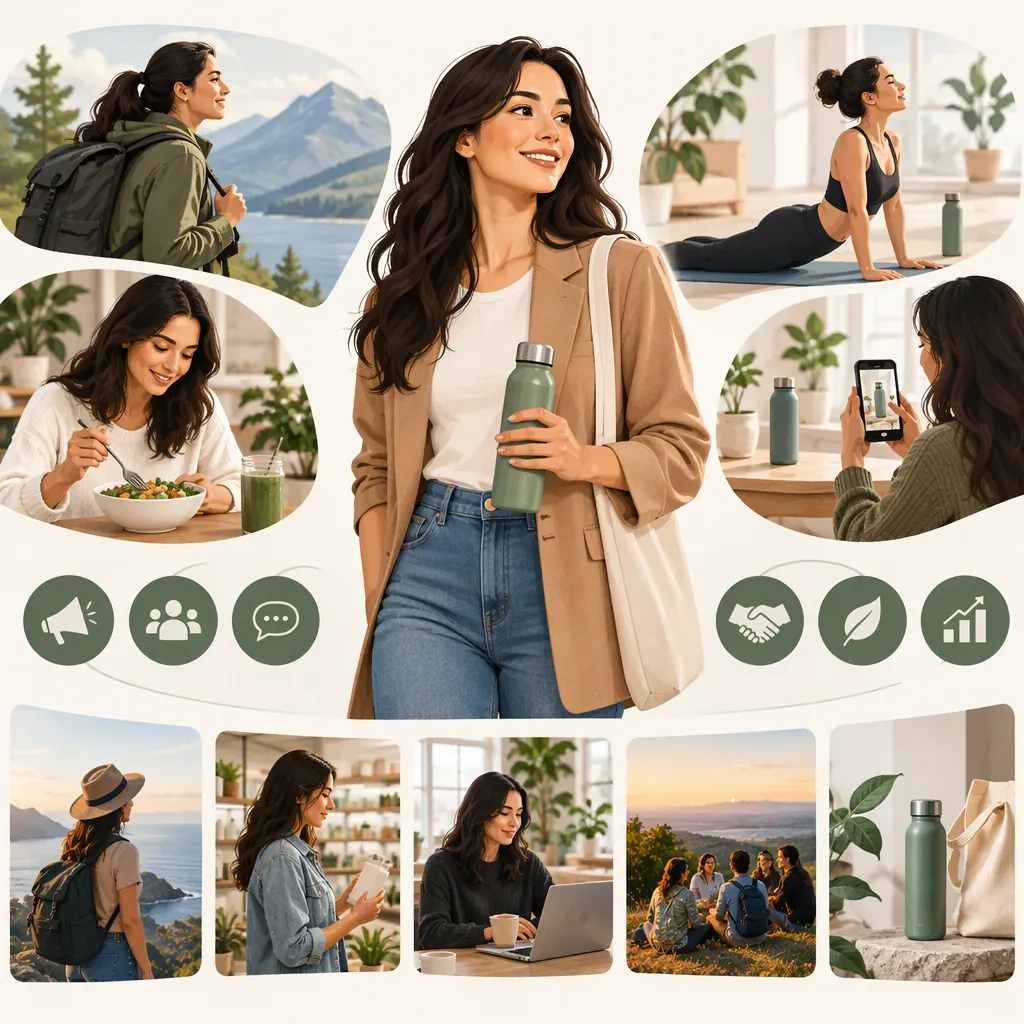
How to Become a Lifestyle Brand Ambassador
A lifestyle brand ambassador creates content showing how a brand fits into everyday routines, interests, or personal style. To prepare an application, identify a relevant program, check its eligibility rules, and explain your fit with truthful content examples and audience information. Requirements and rewards differ: Life is Good lists age and public-profile requirements, while Be Blu’s guide describes product gifting, commissions, and other compensation models. Acceptance and paid work are not guaranteed. [c1] [c3]
Understand the Role Before Choosing a Program
Lifestyle ambassador content connects a brand to a recognizable part of daily life rather than presenting a product without context. Be Blu’s apparel guide gives examples such as outfit styling, commute content, creative routines, and day-in-the-life videos. These are content possibilities, not a universal job description. [c3]
An ambassador agreement can involve more than making posts. For example, Life is Good’s page says ambassadors must post within two weeks of receiving products, participate in at least two digital campaigns per year, include brand tags or hashtags, and maintain a public social profile. Those obligations apply to that program; do not assume another brand uses the same schedule. [c1]
For your own decision, separate three questions: Does the subject fit what you already share? Can you meet the workload? Are the rewards and terms acceptable? A title such as “ambassador” is not enough to answer any of them.
Personal Fit Worksheet
Complete before selecting a program:
- My recurring content topic:
- The audience I make content for:
- Two existing posts that show relevant style or storytelling:
- A realistic content idea for this brand:
- Time I can commit each month:
- Topics, claims, or content uses I would not agree to:
Compare Eligibility, Rewards, and Commitments
Use the program’s own published terms where available. Treat directory listings as starting points, not confirmation that an opportunity is currently open.
| Example | What the provided page describes | What still needs checking |
|---|---|---|
| Life is Good | Applicants must be 18 or older and have a public profile. Selection considers social activity, engagement, and personal connection to the brand. Listed benefits include seasonal product boxes and opportunities for features and invitations. [c1] | Current availability, complete terms, content rights, and whether any cash compensation applies. |
| Crown Goose, as listed by Afluencer | A product-exchange campaign for lifestyle and home-interior bloggers, involving a blog review in exchange for a duvet cover set. [c2] | Whether the campaign is accepting applications and what the brand’s current agreement requires. |
| Be Blu’s application guidance | A clear niche, consistent content, relevant examples, and a concise pitch are emphasized. The article discusses several compensation structures. [c3] | The guide does not establish complete current eligibility or compensation terms for a specific application. |
Do not treat a possible feature, event invitation, or gifted product as a guaranteed cash payment. Keep the expected workload separate from the stated reward when comparing options.
Program Comparison Record
Create one record per opportunity:
- Brand and program name:
- Program-page URL and date checked:
- Applications currently open: confirmed / unclear / closed
- Age, location, platform, and follower requirements:
- Required posts and deadlines:
- Gifted products:
- Fixed fee, if explicitly stated:
- Commission and payout terms, if explicitly stated:
- Content reuse and exclusivity terms:
- Unanswered questions:
Prepare a Specific, Truthful Application
Start with the requested application fields rather than sending an unrelated pitch. Life is Good’s brand ambassador page provides an application entry point and asks applicants to explain who they are, what they love, and how they connect with the brand. It says accepted ambassadors will be notified within two weeks of submission; it does not promise a response to every applicant. [c1]
For preparation, Be Blu’s guide recommends a simple media kit with your niche, platforms, audience information, follower count, engagement, content examples, and contact details. Use only information you can substantiate, and label the time period for any metrics. If you lack audience demographic data, leave it unavailable rather than guessing. [c3]
Choose a few relevant examples and explain what each demonstrates. A proposed concept should be labeled as an idea, not presented as completed brand work. Do not imply that you have used a product or worked with a brand when you have not.
If an opportunity is listed through Afluencer, its article describes a separate workflow: create a creator profile, browse collaborations, review a listing, and submit an application with a personalized message. That is a marketplace application route, not the Life is Good process. [c2]
Application Statement Template
I create [content type] about [specific lifestyle topic] for [audience description supported by available information].

My interest in [brand] is based on [specific, truthful connection]. Relevant examples are [post or portfolio links], which demonstrate [style, storytelling, or another relevant skill].

One proposed content idea is [concept]. This is a proposal, not completed work.

My available platforms are [platforms], and my realistic availability is [schedule]. I would need clarification on [deliverables, compensation, or terms] before committing.
Clarify the Agreement Before Accepting
An acceptance message is the point to resolve missing terms, not a reason to assume them. Be Blu’s guide advises checking posting expectations, referral tracking, payout timing, whether products are the only compensation, and the brand’s rights to use your content. [c3]
Request written answers about deliverables, revisions, compensation, content reuse, exclusivity, and ending the arrangement. Also ask how sponsorship or gifted-product disclosures will be handled; brand tags alone should not be treated as a complete disclosure plan. This article does not establish the legal requirements for your specific arrangement.
The cited pages describe programs and application guidance, not a complete agreement for you. Confirm current terms before making commitments, sharing sensitive information, or incurring expenses.
Pre-Acceptance Questions
- What content must I deliver, on which platforms, and by when?
- How many revisions or approvals are required?
- Is compensation a product, a fixed fee, commission, or a combination?
- Are there any purchases, shipping charges, or other costs for me?
- How are referrals, returns, and payouts handled?
- Where, for how long, and in what formats may my content be reused?
- Does reuse include paid advertising?
- Are there exclusivity restrictions?
- What disclosure wording and placement are expected?
- How can either party end the arrangement?
FAQ
How Many Followers Do I Need?
There is no single threshold established by these sources. Life is Good’s listed requirements do not specify a numerical follower minimum, but selection considers social activity and engagement. Check each program’s current rules rather than assuming that a small or large following guarantees acceptance. [c1]
Do Lifestyle Brand Ambassadors Get Paid?
Some arrangements involve products, commissions, flat fees, or a combination, according to Be Blu’s guide. Life is Good’s cited page lists product boxes and other benefits but does not state a cash payment. Ask for the compensation terms in writing. [c1] [c3]
What Should I Include in an Application?
Follow the program’s requested fields. Prepare a clear description of your niche, relevant content examples, accurate platform and audience information, and a specific explanation of brand fit. Be Blu recommends these elements in a media kit; Life is Good asks about who you are, what you love, and your connection to the brand. [c1] [c3]